Gluten-Free Falafel: Crispy & Flavorful!
Discover if falafel is gluten-free and learn how to make the best homemade gluten-free falafel recipe. Perfect for a healthy, flavorful meal!
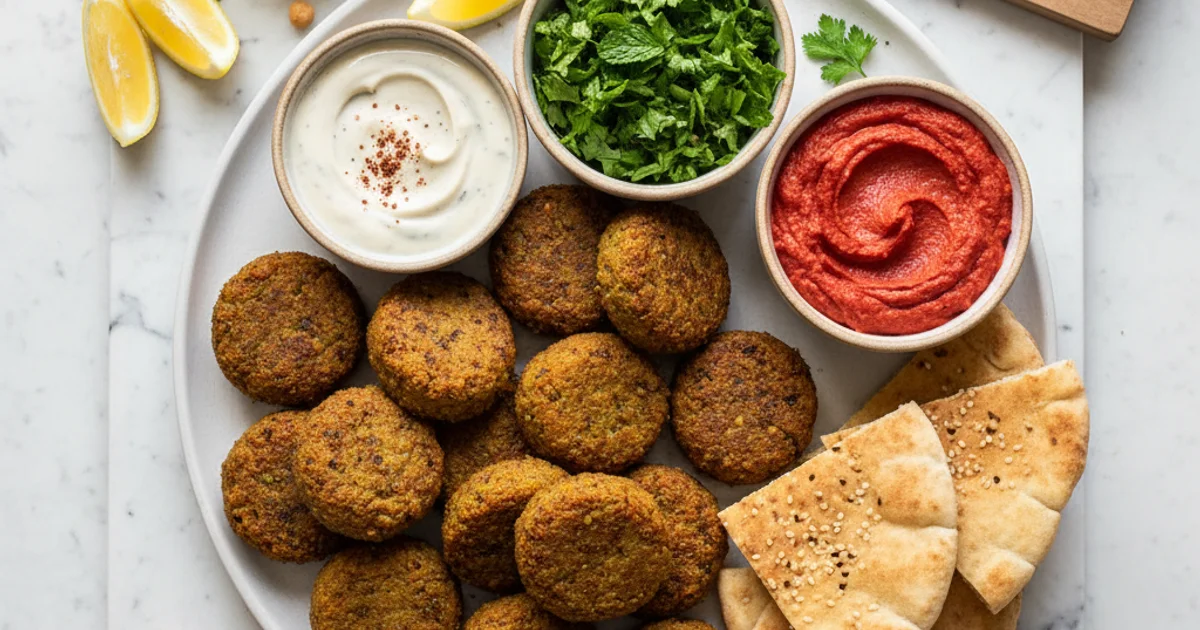
- 1Introduction: Unpacking the Question – Is Falafel Gluten-Free?
- 2Why You’ll Absolutely Love This Gluten-Free Falafel Recipe
- 3Ingredients Overview: Crafting Your Gluten-Free Falafel
- 4Equipment You’ll Need for Perfect Gluten-Free Falafel
- 5Step-by-Step Instructions: Making Your Own Gluten-Free Falafel
- 6Pro Tips & Tricks for the Best Gluten-Free Falafel
- 7Pro Tips & Tricks for the Best Gluten-Free Falafel
Ingredients
For the Falafel
- 1 cup dried chickpeas, soaked overnight
- 1/2 small yellow onion, roughly chopped
- 3-4 cloves garlic, roughly chopped
- 1/2 cup fresh parsley, packed
- 1/2 cup fresh cilantro, packed
- 1 tsp ground cumin
- 1 tsp ground coriander
- 1/2 tsp baking soda
- 1/4 tsp cayenne pepper (optional)
- 1 tsp salt, or to taste
- 1/2 tsp black pepper, or to taste
- 2-3 tbsp gluten-free chickpea flour (if needed for binding)
- Oil for frying (vegetable, canola, or grapeseed)
For Serving (Optional)
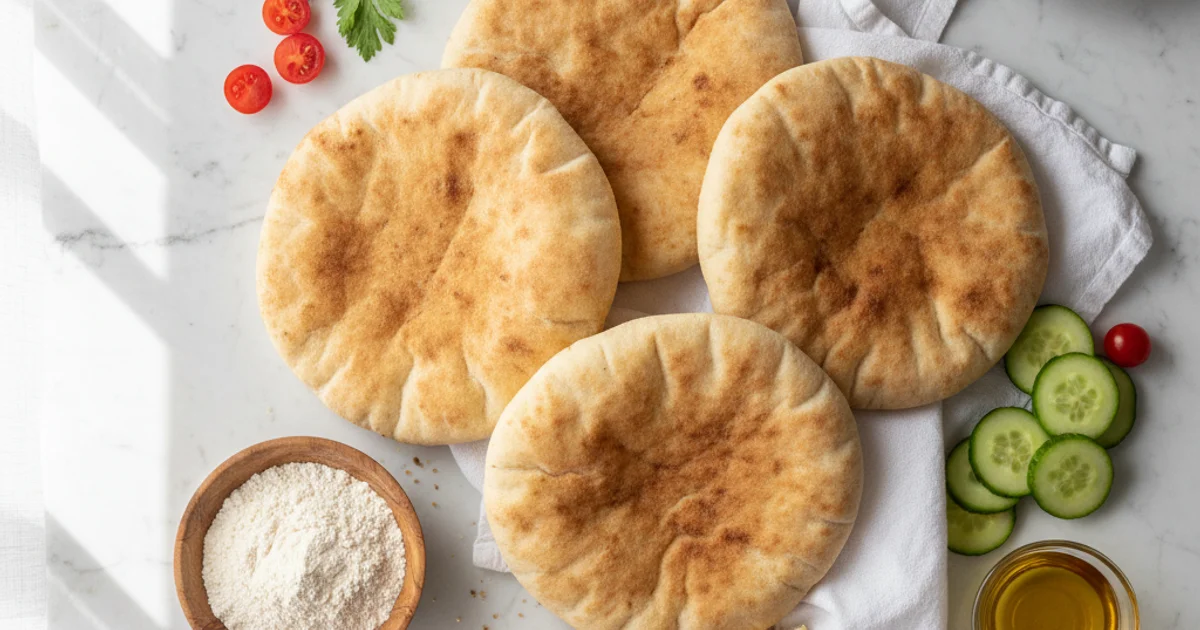
- Gluten-free pita bread
- Hummus
- Tahini sauce
- Chopped tomatoes and cucumbers
- Pickled turnips
Instructions
Instructions
Soak chickpeas for 12-24 hours; drain and rinse thoroughly.
Instructions
Combine drained chickpeas, onion, garlic, parsley, cilantro, cumin, coriander, baking soda, cayenne, salt, and pepper in a food processor.
Instructions
Pulse until the mixture is finely chopped but not pasty. Do not over-process.
Instructions
Transfer mixture to a bowl, cover, and chill for at least 30 minutes.
Instructions
Heat 2-3 inches of oil in a deep pot to 350-375°F (175-190°C).
Instructions
Form the falafel mixture into small patties or balls using a scoop or your hands.
Instructions
Carefully fry falafel in batches for 3-5 minutes, until golden brown and crispy.
Instructions
Remove with a slotted spoon and place on a wire rack to drain excess oil.
Instructions
Serve hot with desired accompaniments.
Recipe FAQs
Is falafel always gluten-free?
Can I use canned chickpeas for this gluten-free falafel recipe?
How do I make falafel without a deep fryer?
What's the best way to get crispy falafel?
My falafel mixture is too wet/too dry. What can I do?
Can I make this falafel mixture ahead of time?
Gluten-Free Falafel: Crispy & Flavorful!
Discover if falafel is gluten-free and learn how to make the best homemade gluten-free falafel recipe. Perfect for a healthy, flavorful meal!
Prep Time
10 min
Cook Time
20 min
Total Time
30 min
For the Falafel
- 1 cup dried chickpeas, soaked overnight
- 1/2 small yellow onion, roughly chopped
- 3-4 cloves garlic, roughly chopped
- 1/2 cup fresh parsley, packed
- 1/2 cup fresh cilantro, packed
- 1 tsp ground cumin
- 1 tsp ground coriander
- 1/2 tsp baking soda
- 1/4 tsp cayenne pepper (optional)
- 1 tsp salt, or to taste
- 1/2 tsp black pepper, or to taste
- 2-3 tbsp gluten-free chickpea flour (if needed for binding)
- Oil for frying (vegetable, canola, or grapeseed)
For Serving (Optional)
- Gluten-free pita bread
- Hummus
- Tahini sauce
- Chopped tomatoes and cucumbers
- Pickled turnips
Introduction: Unpacking the Question – Is Falafel Gluten-Free?
There’s a common question I hear often in my kitchen: is falafel gluten free? It’s a valid concern for anyone navigating dietary needs, especially given the rising popularity of this savory, spiced chickpea patty. Many assume that because it’s plant-based, it automatically fits all dietary criteria. However, the answer isn’t always a simple yes or no, which can be frustrating for those seeking clarity. Traditional falafel, at its heart, is made from ground chickpeas, herbs, and spices, which are naturally free from gluten. Yet, sometimes commercial versions or even restaurant preparations might introduce gluten through binders, breadcrumbs, or shared frying oil, making a naturally gluten-free dish problematic.
This uncertainty is precisely why I developed this particular recipe. What I discovered is that making truly gluten-free falafel at home is not only straightforward but also incredibly rewarding. You control every ingredient, ensuring no hidden gluten sneaks into your meal. This recipe guarantees that satisfying crisp exterior and tender, flavorful interior without any worry. It’s perfect for those with celiac disease, gluten sensitivity, or anyone simply looking for a wholesome, plant-forward meal. We’ll explore how to achieve that authentic taste and texture you crave, all while keeping it completely safe for everyone at your table. This recipe ensures you can enjoy this versatile and protein-packed dish with complete peace of mind.
Why You’ll Absolutely Love This Gluten-Free Falafel Recipe
Here’s the thing, my culinary journey has always been about making food accessible and enjoyable for everyone. This particular gluten-free falafel recipe stands out because it doesn’t just happen to be free from gluten; it’s designed from the ground up to be naturally so. You won’t find any obscure, hard-to-source flours here, nor will you taste any compromise in flavor. What I love about this recipe is its absolute authenticity. It delivers that classic, earthy chickpea flavor and aroma that transports you straight to a bustling Middle Eastern market.
The texture is another triumph. Trust me on this one, achieving that perfect contrast between a crispy, golden-brown exterior and a tender, fragrant interior is the hallmark of truly great falafel. This recipe guides you to that ideal texture every time, ensuring each bite is satisfyingly crunchy before yielding to a soft, flavorful center. In my kitchen, I always prioritize recipes that deliver on both taste and texture, and this one certainly does. It’s a joy to create and even more of a joy to eat.
Beyond its inherent deliciousness, this recipe is remarkably quick and easy to make. I’ve streamlined the process so that even busy weeknights can accommodate fresh, homemade falafel. There’s no complex equipment needed, just simple steps that yield impressive results. This makes it an ideal option for both seasoned cooks and those just beginning their culinary adventures. You’ll notice that the preparation is straightforward, allowing the natural goodness of the ingredients to shine.
Finally, this recipe is incredibly versatile and healthy. It’s packed with plant-based protein and fiber, making it a wholesome addition to any meal. Whether tucked into a warm pita, crumbled over a fresh salad, or served as part of a vibrant mezze platter, these falafels adapt beautifully. This recipe proves that food free from gluten can be utterly delightful and deeply nourishing. It’s a true staple in my home, offering endless possibilities for creative and satisfying meals.
Ingredients Overview: Crafting Your Gluten-Free Falafel
I always soak my chickpeas overnight for the best results. Here’s the thing: using dried chickpeas, rather than canned, is non-negotiable for an authentic gluten free falafel recipe. Canned chickpeas are pre-cooked and too soft, leading to a mushy falafel that won’t hold its shape or achieve that desirable crispy exterior. Soaking them rehydrates them perfectly, giving them the ideal texture for grinding and frying. This foundational step is crucial for ensuring your falafel has the right bite.
What I discovered is that fresh herbs are the soul of this dish. A generous amount of fresh parsley and fresh cilantro provides the characteristic bright green color and vibrant, earthy flavor that defines falafel. Don’t skimp on these; they contribute significantly to the overall taste profile and visual appeal. I often find that home cooks underestimate the sheer volume of herbs needed, but trust me on this one, more is definitely better here. These herbs also contribute moisture, helping bind the falafel mixture naturally.
Building on this, onion and garlic form the aromatic backbone of this recipe. They provide a pungent, savory depth that complements the chickpeas and herbs beautifully. Finely chopping them ensures they integrate seamlessly into the mixture without creating large chunks. The trick is to use fresh, good quality aromatics for the most impactful flavor. These ingredients are naturally free from gluten, ensuring this falafel recipe remains suitable for those asking, “is falafel gluten free?”
The secret is in the spices. Ground cumin and ground coriander are the quintessential falafel spices, imparting a warm, earthy, and slightly citrusy note. A pinch of cayenne pepper or chili flakes adds a subtle kick, balancing the richness. Adjust the amount of cayenne to your preference for heat. These spices are carefully chosen to deliver that classic falafel taste without relying on any binders that might compromise the “does falafel have gluten” question.
A common mistake is skipping the baking soda. This seemingly small addition is vital for achieving a light, airy texture inside the falafel. It reacts with the acids in the mixture during frying, creating small air pockets. Without it, your falafel can be dense and heavy. Just a small amount makes a huge difference in the final product.
For binding, chickpea flour (also known as gram flour) is my preferred choice if the mixture feels too wet. It’s naturally gluten-free and adds a little extra chickpea flavor. You might also use rice flour as an alternative; both are excellent for ensuring the falafel holds together without compromising the integrity of this gluten-free preparation. Only add a tablespoon at a time until the mixture is pliable but not sticky.
Finally, selecting the right oil for frying is important for achieving that golden-brown crust. I always use a neutral-flavored oil with a high smoke point, such as canola, sunflower, or grapeseed oil. Enough oil is needed to submerge the falafel partially or completely, allowing for even cooking and that satisfying sizzle. This ensures each falafel cooks beautifully and maintains its shape.
Equipment You’ll Need for Perfect Gluten-Free Falafel
Building on this, having the right tools makes all the difference when tackling any new recipe. In my kitchen, I always make sure everything is prepped and ready before I even start soaking the chickpeas. This organized approach minimizes stress and ensures a smoother cooking process for this gluten free falafel recipe.
A food processor is non-negotiable for this dish. It’s the secret weapon for getting that perfectly coarse, yet cohesive, texture that distinguishes great falafel. Without it, you’re looking at a lot of tedious chopping or a less authentic consistency. Trust me on this one; a good food processor makes falafel making a breeze. You’ll notice that a blender might over-process the mixture, leading to a pasty texture, which isn’t what we want for this recipe.
You’ll also need a large bowl for soaking your dried chickpeas overnight. This step is crucial for rehydrating them properly, which in turn affects the final texture of your falafel. After soaking, this same bowl will be perfect for mixing all your ingredients together thoroughly. For cooking, a deep pot or Dutch oven is ideal if you choose to deep-fry your falafel. The depth allows for consistent oil temperature and even cooking. If you’re baking, a sturdy baking sheet will suffice.
What I discovered is that a slotted spoon or spider is invaluable for safely removing the cooked falafel from hot oil. It drains excess oil quickly, preventing sogginess. Following that, a baking sheet lined with a wire rack provides the perfect spot for the falafel to cool and drain further. This setup ensures crispiness by allowing air circulation all around. Of course, standard measuring cups and spoons are essential for accurate ingredient proportions, ensuring your falafel is perfectly balanced in flavor. For those who want perfectly uniform falafel, an optional falafel scoop or mold can be a handy gadget. It helps create consistent shapes and sizes, ensuring even cooking and a professional presentation. This collection of tools ensures you’re well-equipped to create the best falafel gluten free experience.
Step-by-Step Instructions: Making Your Own Gluten-Free Falafel
-
Soak the Chickpeas: Begin by thoroughly rinsing your dried chickpeas under cold water. Then, transfer them to a large bowl and cover them with at least twice their volume of cold water. Add 1 teaspoon of baking soda to the soaking water, as this helps soften the chickpeas and aids in their digestion. Allow the chickpeas to soak overnight, or for a minimum of 12 hours, at room temperature. This crucial step is essential for achieving the correct falafel texture and ensuring they cook properly.
-
Process the Ingredients: Once the chickpeas have soaked, drain them completely and pat them dry with a clean kitchen towel. In a food processor, combine the soaked and drained chickpeas, fresh parsley, fresh cilantro, onion, garlic cloves, cumin, coriander, salt, black pepper, and cayenne pepper (if using). Pulse the mixture in short bursts, scraping down the sides of the bowl as needed, until a coarse, crumbly mixture forms. Be careful not to over-process; the goal is a texture that is not pasty like hummus, but also not chunky with whole chickpea pieces.
-
Chill the Mixture: Transfer the processed falafel mixture to a bowl, cover it tightly with plastic wrap, and refrigerate for at least 30 minutes, or up to 2 hours. Chilling the mixture is beneficial because it allows the flavors to meld and helps the falafel hold its shape better during frying, preventing them from crumbling apart in the hot oil.
-
Shape Your Falafel: Take approximately 1-2 tablespoons of the falafel mixture and gently form it into uniform patties or balls, about 1.5 inches in diameter and 0.5 inches thick. You can use a falafel scoop for perfectly round shapes, or simply use your hands, ensuring they are lightly moistened to prevent sticking. Aim for consistent sizes to ensure even cooking.
-
Fry or Bake for Perfection:
- Deep-Frying (Traditional Method): In a heavy-bottomed pot or deep fryer, heat 3-4 inches of a neutral oil (like canola, vegetable, or sunflower oil) to 350°F (175°C). Carefully drop 4-5 falafel pieces into the hot oil, ensuring not to overcrowd the pot, which can lower the oil temperature. Fry for 3-5 minutes, turning occasionally, until they are deep golden brown and crispy on all sides.
- Baking/Air Frying (Healthier Alternative): For a lighter option, preheat your oven to 400°F (200°C) or your air fryer to 375°F (190°C). Lightly brush or spray the falafel patties with olive oil. Arrange them in a single layer on a parchment-lined baking sheet or in the air fryer basket, ensuring they don’t touch. Bake for 20-25 minutes, flipping halfway through, or air fry for 15-20 minutes, shaking the basket occasionally, until they are golden brown and cooked through.
-
Drain and Serve: Once cooked, use a slotted spoon to carefully transfer the fried falafel to a plate lined with paper towels to drain any excess oil. If baked or air-fried, simply remove them from the oven or air fryer. Serve your delicious gluten-free falafel immediately while they are still warm and crispy.
Pro Tips & Tricks for the Best Gluten-Free Falafel
Pro Tips & Tricks for the Best Gluten-Free Falafel
Getting that truly authentic falafel experience at home requires a few insider secrets. I always find that paying close attention to the details makes all the difference in the final outcome. Trust me on this one: these tips will elevate your homemade falafel from good to truly exceptional.
Here’s the thing: the foundation of any great falafel is the chickpea. Many recipes suggest using canned chickpeas for convenience, but for this particular dish, that’s a misstep. Canned chickpeas are already cooked and too soft, leading to a mushy falafel that won’t hold its shape or develop that desirable crispy exterior. Always opt for dried chickpeas and soak them overnight, or even up to 24 hours. This rehydration process is crucial for achieving the perfect coarse texture when ground, which is essential for a light, airy interior.
Building on this, achieving the right consistency for your falafel mixture is paramount. A common mistake is over-processing the ingredients, which can turn the mixture into a paste. You want a texture that’s still slightly chunky, with visible pieces of chickpea and herbs. If your mixture feels too wet, it will fall apart during frying. Conversely, if it’s too dry, the falafel will be crumbly and lack tenderness. What I discovered is that a good test is to try forming a small patty in your hand; it should hold together without crumbling or sticking excessively. If you find your mixture is a little too loose, a tiny amount of chickpea flour or even rice flour (start with a tablespoon) can act as a binding agent without altering the flavor profile significantly.
The secret is all in the frying. Proper oil temperature is absolutely critical for achieving that beautiful golden-brown crust and ensuring the falafel cooks through without becoming greasy. I always use a deep-fry thermometer to maintain a consistent temperature between 350°F and 375°F (175°C-190°C). If the oil is too cool, the falafel will absorb too much oil and become soggy. If it’s too hot, the outside will burn before the inside is cooked. Worth noting here, batch frying is essential; never overcrowd your pot. Frying too many at once will drastically lower the oil temperature, leading to less crispy results. Give each falafel room to breathe and cook evenly.
For those preferring a lighter option, baking or air frying offers a fantastic alternative to deep-frying. While you won’t get the exact same deep-fried crispness, you can still achieve a wonderfully satisfying texture. When baking, preheat your oven to 400°F (200°C) and lightly brush your falafel with olive oil before baking for 20-25 minutes, flipping halfway. For air frying, preheat to 375°F (190°C) and cook for 15-20 minutes, shaking the basket occasionally. Both methods benefit from a light spray of oil to promote browning. Trust me, even without the deep fry, these methods can yield a surprisingly good result. For more insights on the science behind deep frying, including optimal oil temperatures and techniques, you might find this article on frying fundamentals helpful.
Before you start frying or baking your entire batch, always perform a small taste test of the mixture. Fry or bake just one small falafel and then taste it. This allows you to adjust seasonings like salt, pepper, or additional herbs before committing to the whole batch. It’s much easier to add a pinch more cumin or a dash more salt at this stage than after everything is cooked. This simple step guarantees your falafel will be perfectly seasoned every time.
Enjoyed this recipe? Share it with a friend or save it to your board for later. Leave a comment below — I love hearing how it turned out!
You May Also Enjoy





You Might Also Love These 🍽️
Recipes picked just for you based on what you’re cooking