Chewy Gluten-Free Dumpling Wrappers: Easy Recipe!
Craft perfect gluten free dumpling wrappers at home! This easy recipe is ideal for gluten-free wonton soup, potstickers, and more. Say goodbye to store-bought!
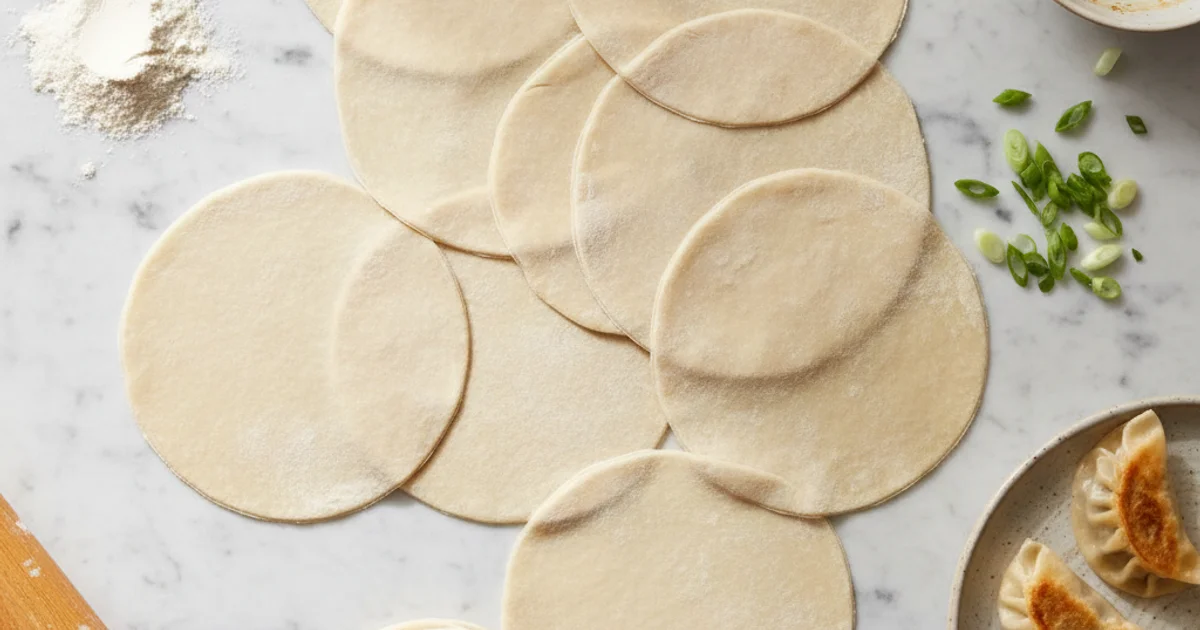
- 1Unlock Deliciousness: Why Homemade Gluten Free Dumpling Wrappers Matter
- 2Why You’ll Love This Gluten-Free Wonton Wrapper Recipe
- 3Essential Ingredients for Perfect Gluten Free Dumpling Wrappers
- 4Equipment You’ll Need for Homemade Gluten-Free Wonton Wraps
- 5Step-by-Step Instructions: Crafting Your Gluten-Free Dumpling Wrappers
- 6Pro Tips & Tricks for the Best Gluten-Free Wonton Wrappers
- 7Pro Tips & Tricks for the Best Gluten-Free Wonton Wrappers
Ingredients
Dry Ingredients
- 1 cup (120g) Gluten-Free All-Purpose Flour Blend (with xanthan gum)
- 1/2 cup (60g) Tapioca Starch/Flour
- 1/4 cup (30g) Potato Starch
- 1 tablespoon Psyllium Husk Powder (optional, but highly recommended)
- 1/2 teaspoon Salt
Wet Ingredients
- 3/4 cup (180ml) Hot Water (almost boiling)
- 1 tablespoon Olive Oil (or neutral oil)
Instructions
Instructions
Combine all dry ingredients in a large bowl, whisking well.
Instructions
Pour hot water and olive oil into the dry ingredients. Mix with a spoon until a shaggy dough forms.
Instructions
Turn dough out onto a lightly floured surface (using GF flour/starch). Knead gently for 5-7 minutes until smooth and pliable. Add small amounts of flour/water if needed.
Instructions
Form dough into a ball, lightly oil it, and place back in the bowl. Cover tightly with plastic wrap and let rest at room temperature for 30 minutes to 1 hour.
Instructions
Divide the dough into 2-3 portions. Keep unused portions covered.
Instructions
On a lightly floured surface, roll one portion of dough very thinly (1-2mm) using a rolling pin. Rotate the dough frequently to prevent sticking.
Instructions
Use a round cookie cutter (approx. 3-4 inches for dumplings, 2-3 inches for wontons) or a sharp knife to cut out wrappers.
Instructions
Gather dough scraps, knead gently, and re-roll. Repeat until all dough is used.
Instructions
Layer cut wrappers between sheets of parchment paper or dusted with tapioca starch. Store immediately or use.
Recipe FAQs
Can I use a different gluten-free flour blend for these dumpling wrappers?
My gluten-free dumpling dough is too sticky/too dry. What did I do wrong?
How thin should I roll the gluten-free wonton wrappers?
Is wonton soup gluten-free if I use these wrappers?
Can I make these gluten-free dumpling wrappers ahead of time?
What are some good gluten-free filling ideas for these wrappers?
Chewy Gluten-Free Dumpling Wrappers: Easy Recipe!
Craft perfect gluten free dumpling wrappers at home! This easy recipe is ideal for gluten-free wonton soup, potstickers, and more. Say goodbye to store-bought!
Prep Time
30 min
Cook Time
25 min
Total Time
55 min
Dry Ingredients
- 1 cup (120g) Gluten-Free All-Purpose Flour Blend (with xanthan gum)
- 1/2 cup (60g) Tapioca Starch/Flour
- 1/4 cup (30g) Potato Starch
- 1 tablespoon Psyllium Husk Powder (optional, but highly recommended)
- 1/2 teaspoon Salt
Wet Ingredients
- 3/4 cup (180ml) Hot Water (almost boiling)
- 1 tablespoon Olive Oil (or neutral oil)
Unlock Deliciousness: Why Homemade Gluten Free Dumpling Wrappers Matter
For years, I searched for a truly satisfying gluten free dumpling wrappers. The craving for those delicate, chewy pockets filled with savory goodness was constant. However, the reality of store-bought options often left me disappointed. They were either too thick, crumbling at the slightest touch, or turned into a gummy mess when cooked. It felt like a culinary compromise I was unwilling to make any longer.
Building on this, I discovered that many pre-made gluten free wonton options simply lacked the elasticity needed. They tore easily during the crucial wrapping stage. This made creating classic dumplings, potstickers, or even delicate wonton soup a frustrating experience. The texture was never quite right, missing that signature bite.
Here’s the thing, making your own at home completely changes the game. It’s an empowering feeling to create something so fundamental from scratch. You gain complete control over the ingredients, ensuring no hidden gluten or unwanted additives. This recipe promises a wrapper that is both pliable and resilient.
What I love about this homemade version is its incredible versatility. It’s perfect for all your favorite recipes for wonton wrappers, from steamed to pan-fried. You can use this base for potstickers, ravioli, or even as a unique crust for mini quiches. The possibilities are truly endless once you master this dough. This means you can finally enjoy all those dishes you thought were off-limits. Trust me on this one; the effort is absolutely worth the reward. You’ll achieve that perfect chew and delicate texture every single time.
Why You’ll Love This Gluten-Free Wonton Wrapper Recipe
In my kitchen, I always strive for that perfect balance of flavor and texture, especially when it comes to something as fundamental as a wrapper. What I love about this particular recipe is how it consistently delivers a chewy, pliable wrapper that doesn’t fall apart. You’ll notice that many store-bought gluten-free options can be brittle or gummy, but this one holds its shape beautifully for all your wonton wraps recipes. This recipe relies on readily available gluten-free flours and common pantry staples. There’s no need for obscure ingredients, making it accessible for everyone.
Building on this, this recipe opens up a world of culinary possibilities. It’s not just for classic gluten free wonton; I’ve successfully used it for potstickers, delicate ravioli, and even as a base for mini quiches. The versatility truly makes it a staple in my home. Here’s the thing: buying specialty gluten-free items can be expensive. Making these wrappers at home is significantly more cost-effective than purchasing pre-made versions, letting you enjoy more without breaking the bank. Furthermore, this recipe is incredibly adaptable. You can easily adjust the seasoning or even incorporate finely ground herbs to complement your filling, offering a truly customizable experience. It makes answering the question, “what to do with wonton wrappers?” an exciting adventure every time.
Essential Ingredients for Perfect Gluten Free Dumpling Wrappers
Building on this, creating exceptional dough starts with understanding each ingredient’s role. In my kitchen, I’ve experimented endlessly to find the perfect combination. Here’s what actually works for these gluten free dumpling wrappers.
The cornerstone of this recipe is a high-quality gluten-free all-purpose flour blend. You’ll notice that I always opt for a blend that already contains xanthan gum. This gum is absolutely crucial; it provides the much-needed structure and elasticity that gluten-free flours inherently lack. Without it, your wrappers would be crumbly and difficult to work with, making any recipes for wonton wrappers a challenge.
Next up, tapioca starch, also known as tapioca flour, plays a vital role. This ingredient is what gives the wrappers their delightful chewiness. It also significantly improves pliability, preventing the dough from becoming brittle when you roll it out. Trust me on this one, the right balance of starches is key for a truly satisfying wonton wraps recipe.
Potato starch is another essential component in our blend. It contributes to a wonderfully smooth texture and helps to lighten the dough. This ensures your wrappers aren’t overly dense, which is important for delicate dumplings. What I discovered is that a combination of starches yields the best results.
For an extra boost of elasticity and binding power, I highly recommend adding psyllium husk powder. While technically optional, it truly mimics gluten’s properties, making the dough much easier to handle. It significantly improves the dough’s stretchiness, which is a blessing when forming intricate shapes.
A pinch of salt is included not just for flavor, but also to enhance the overall taste of the dumpling filling. It brings out the savory notes, making every bite more enjoyable. Even in a wrapper, subtle seasoning matters.
Now, for the liquid component: hot water. This is not just any water; its temperature is critical. Hot water helps to properly hydrate gluten-free flours, “cooking” some of the starches slightly. This process creates a more pliable and workable dough, which is essential for rolling thin wrappers.
Finally, a touch of olive oil (or any neutral oil like grapeseed or avocado) is incorporated. This adds a subtle richness to the wrappers. It also aids in pliability and, crucially, helps prevent the dough from sticking to your work surface and hands. This makes the entire rolling process much smoother.
Equipment You’ll Need for Homemade Gluten-Free Wonton Wraps
In my kitchen, having the right tools makes all the difference, especially when working with gluten-free dough. You don’t need a professional setup, but a few key pieces of equipment will streamline the process for these gluten free wonton wrappers. I always start with a large mixing bowl; it provides ample space to combine the flours and liquids without making a mess. This seems basic, but a cramped bowl leads to spills and frustration.
Accuracy is paramount in gluten-free baking, so measuring cups and spoons are non-negotiable. Eyeballing ingredients often leads to inconsistent results, and with delicate doughs like this, precision ensures the right texture. Another essential is a good rolling pin. I prefer a classic wooden one, but a marble or even a heavy wine bottle can work in a pinch. The goal is to roll the dough consistently thin, which is crucial for delicate wonton wraps recipes. You’ll notice that thinness contributes directly to that satisfying chew.
A dough scraper is incredibly useful, though not strictly mandatory. It helps lift and turn the dough without adding excess flour, and it’s great for cleaning your work surface. For shaping, I rely on round cookie cutters. Having a few sizes is beneficial; a 3-inch cutter is perfect for standard dumplings, while a 2-inch one works well if you’re making smaller wontons. If you don’t have cutters, a sharp knife and a steady hand will do the trick.
To prevent sticking, especially when stacking your freshly cut wrappers, parchment paper or wax paper is a must. I layer them between each wrapper or stack of wrappers. Finally, an airtight container or Ziploc bag is essential for storing both the dough and any leftover wrappers. This keeps them from drying out, preserving their elasticity. A kitchen scale is also highly recommended for precise flour measurements. This helps ensure consistent results every time you make this recipe.
Step-by-Step Instructions: Crafting Your Gluten-Free Dumpling Wrappers
-
Combine Dry Ingredients: In a large mixing bowl, thoroughly whisk together the gluten-free all-purpose flour blend, tapioca starch, potato starch, psyllium husk powder, and salt until uniformly combined and no lumps remain.
-
Add Wet Ingredients: Gradually pour in the hot water and olive oil into the dry ingredients, mixing continuously with a wooden spoon or a sturdy spatula until a shaggy, coarse dough begins to form.
-
Knead the Dough: Transfer the shaggy dough to a lightly floured surface and knead gently for 5-7 minutes; unlike traditional wheat dough, gluten-free dough requires less aggressive kneading – focus on bringing the dough together and smoothing it out rather than developing elasticity.
-
Rest the Dough: Once your dough comes together, resist the urge to work with it immediately. Cover the bowl tightly with plastic wrap or a damp kitchen towel and let it rest at room temperature for at least 30 minutes, or up to an hour. This resting period is crucial because it allows the gluten to relax and the flour to fully hydrate, resulting in a more pliable, less sticky dough that is significantly easier to roll out thinly without tearing.
-
Divide and Roll: After resting, transfer the dough to a lightly floured surface. Divide the dough into equal portions, typically 2-4 pieces depending on the total dough volume, to make it more manageable for rolling. As you work with one portion, keep the remaining dough covered with plastic wrap or a damp towel to prevent it from drying out. Using a rolling pin, roll out one portion of dough as thinly as possible, aiming for a thickness of about 1-2 millimeters, rotating and flipping the dough occasionally to ensure even thickness.
-
Cut Wrappers: Once your dough is rolled out thinly, it’s time to cut your wrappers. You can use a round cookie cutter, a glass with a thin rim, or even a sharp knife to cut out your desired shape and size, typically 3-4 inches in diameter for standard dumplings. Carefully gather any dough scraps, gently knead them together, and re-roll them to cut out additional wrappers, ensuring you minimize waste.
-
Store Immediately: As you cut the wrappers, layer them between sheets of parchment paper or plastic wrap to prevent them from sticking together and drying out. It’s crucial to work quickly during this stage, keeping any remaining dough covered with a damp cloth or plastic wrap, and similarly, keeping your stack of cut wrappers covered until you are ready to use them.
-
Once all wrappers are cut and stacked, transfer them to an airtight container or a freezer-safe bag and refrigerate for up to 3 days, or freeze for up to 3 months for longer storage.
Pro Tips & Tricks for the Best Gluten-Free Wonton Wrappers
Pro Tips & Tricks for the Best Gluten-Free Wonton Wrappers
In my kitchen, I always approach gluten-free doughs with a different mindset. Unlike traditional wheat-based doughs that thrive on extensive kneading to develop gluten, this recipe requires a gentler touch. What I discovered is that over-kneading gluten-free dough, especially one designed for delicate wrappers, can make it tough and prone to tearing. You’ll notice that the goal here isn’t to build a strong gluten network, but rather to hydrate the flours thoroughly and create a cohesive, pliable mass. Just mix until combined, then knead lightly for a minute or two until it comes together smoothly.
The secret is ensuring your dough remains consistently moist throughout the entire process. Hot water is key for this. Using hot water helps to properly hydrate the starches and flours, leading to a much more flexible and less crumbly dough. This pliability is essential for rolling out thin, translucent wrappers that won’t crack when folded. Worth noting here, always keep any unused dough covered with a damp cloth or plastic wrap. Exposed dough dries out remarkably fast, making it impossible to roll without crumbling. I always have a bowl of water and a clean kitchen towel ready for this purpose.
Here’s the thing about rolling: aim for thinness, but don’t obsess over perfection initially. The trick is to roll the dough until you can almost see the surface beneath your rolling pin. Think of it as thin as a playing card, maybe even a little thinner. This ensures they cook quickly and have that delicate, melt-in-your-mouth texture. To prevent sticking, generously dust your work surface and rolling pin with a mixture of gluten-free flour or starch, like tapioca or cornstarch. This light dusting keeps everything moving smoothly without adding too much extra flour to the dough itself, which could make it stiff.
Before committing to a whole batch of wonton wraps recipes, I always recommend a test run. Roll out just one wrapper, fill it with a tiny bit of your desired filling, and cook it. This allows you to check its consistency, pliability, and how it holds up during cooking. If it’s too thick, you’ll know to roll the rest thinner. If it tears easily, perhaps your dough needs a tiny bit more moisture or a gentler touch during rolling. Building on this, don’t get discouraged if your first few wrappers aren’t perfectly round or uniform. It takes a little practice to get that satisfying sizzle and golden-brown edge.
A common mistake is rushing the process. Gluten-free dough can be a little less forgiving than its wheat counterpart, so patience truly is a virtue here. Take your time with the rolling, dusting, and shaping. For more detailed insights into the science behind gluten-free baking, you might find this article on understanding gluten-free flours helpful. What I love about this is that with a little practice, these wrappers will become second nature. You’ll soon be making delicious gluten free wonton soup or delightful fried dumplings with ease.
Enjoyed this recipe? Share it with a friend or save it to your board for later. Leave a comment below — I love hearing how it turned out!
You May Also Enjoy





You Might Also Love These 🍽️
Recipes picked just for you based on what you’re cooking