GF Pasta Sauce: Your New Family Favorite!
Craving delicious pasta? Learn how to make an incredible homemade gf pasta sauce that's naturally gluten-free. Perfect for all your gluten-free pasta and sauce dishes!
- 1Introduction: Why a Delicious GF Pasta Sauce Matters
- 2Why You’ll Absolutely Love This Gluten-Free Spaghetti Sauce Recipe
- 3Ingredients Overview: Crafting Your Perfect GF Pasta Sauce
- 4Essential Equipment You’ll Need for Homemade Pasta Sauce
- 5Step-by-Step Instructions: Making Your Gluten-Free Spaghetti Sauce
- 6Pro Tips & Tricks for the Best Gluten-Free Pasta Sauce
Ingredients
Base Ingredients
- 2 tbsp olive oil
- 1 medium yellow onion, finely diced
- 4 cloves garlic, minced
- 1 (28 oz) can crushed tomatoes (ensure gluten-free)
- 1 (6 oz) can tomato paste
- 1/2 cup vegetable broth or water (ensure gluten-free)
Seasoning & Herbs
- 1 tsp dried oregano
- 1 tsp dried basil
- 1/2 tsp dried thyme
- 1/4 tsp red pepper flakes (optional)
- 1 tsp granulated sugar (optional, to balance acidity)
- 1 tsp salt, or to taste
- 1/2 tsp black pepper, or to taste
- Fresh basil or parsley for garnish (optional)
Instructions
Instructions
Heat olive oil in a large pot or Dutch oven over medium heat.
Instructions
Add diced onion and sauté until softened, about 5-7 minutes.
Instructions
Stir in minced garlic and tomato paste; cook for 2 minutes until fragrant.
Instructions
Pour in crushed tomatoes, vegetable broth/water, oregano, basil, thyme, and red pepper flakes (if using).
Instructions
Bring the sauce to a gentle simmer, then reduce heat to low, cover partially, and cook for 15-20 minutes, stirring occasionally.
Instructions
Stir in sugar (if using), salt, and black pepper. Taste and adjust seasonings as needed.
Instructions
For a smoother sauce, use an immersion blender directly in the pot or carefully transfer to a regular blender (blend in batches).
Instructions
Serve hot over your favorite gluten-free pasta or use in other recipes. Garnish with fresh herbs if desired.
Recipe FAQs
Is tomato sauce gluten free?
Is marinara sauce gluten free?
Can I make this gf pasta sauce ahead of time?
What's the best gluten-free pasta and sauce combination?
How can I make this spaghetti sauce gluten free thicker?
What if my sauce is too acidic?
GF Pasta Sauce: Your New Family Favorite!
Craving delicious pasta? Learn how to make an incredible homemade gf pasta sauce that's naturally gluten-free. Perfect for all your gluten-free pasta and sauce dishes!
Prep Time
10 min
Cook Time
25 min
Total Time
35 min
Base Ingredients
- 2 tbsp olive oil
- 1 medium yellow onion, finely diced
- 4 cloves garlic, minced
- 1 (28 oz) can crushed tomatoes (ensure gluten-free)
- 1 (6 oz) can tomato paste
- 1/2 cup vegetable broth or water (ensure gluten-free)
Seasoning & Herbs
- 1 tsp dried oregano
- 1 tsp dried basil
- 1/2 tsp dried thyme
- 1/4 tsp red pepper flakes (optional)
- 1 tsp granulated sugar (optional, to balance acidity)
- 1 tsp salt, or to taste
- 1/2 tsp black pepper, or to taste
- Fresh basil or parsley for garnish (optional)
Introduction: Why a Delicious GF Pasta Sauce Matters
Navigating the world of gluten-free eating can sometimes feel like a culinary maze, especially when you’re craving comforting classics. Many home cooks discover that while gluten-free pasta options are plentiful, finding a truly satisfying gf pasta sauce can be a challenge. It’s a common misconception that embracing a gluten-free lifestyle means sacrificing robust flavor or settling for bland, uninspired meals. What I discovered is that many store-bought sauces, even those marketed as “natural,” often contain hidden gluten thickeners, artificial flavors, or excessive sugars that detract from the pure taste of fresh ingredients. This can be incredibly frustrating when you’re trying to create a wholesome, delicious meal for yourself or your family.
This recipe is designed to change all that. I’ve spent years perfecting a homemade sauce that is not only naturally gluten-free but also bursting with rich, authentic Italian-inspired flavors. It’s incredibly easy to prepare, relying on simple, high-quality ingredients you likely already have in your pantry. Forget those watery, insipid jars; this dish delivers a depth of flavor that will elevate any gluten-free pasta night into a truly special occasion. You’ll notice that the natural sweetness of ripe tomatoes, combined with aromatic herbs, creates a balanced and deeply satisfying experience. This homemade approach ensures you’re in complete control of every ingredient, making it a perfect, worry-free option for anyone seeking a truly flavorful gluten-free pasta experience.
Why You’ll Absolutely Love This Gluten-Free Spaghetti Sauce Recipe
Here’s the thing, many people assume making a truly flavorful gf pasta sauce from scratch is complicated. That couldn’t be further from the truth. What I love about this recipe is its inherent simplicity. You won’t find any obscure ingredients or complex techniques here. It’s naturally gluten-free, which means you don’t need to hunt for special ‘GF’ labels. This sauce is simply made with wholesome, real food. This recipe delivers a rich, robust flavor that truly elevates any meal. It completely outshines those bland, watery store-bought options. You’ll notice that the deep, savory notes come from classic Italian ingredients. This makes it a staple in my kitchen.
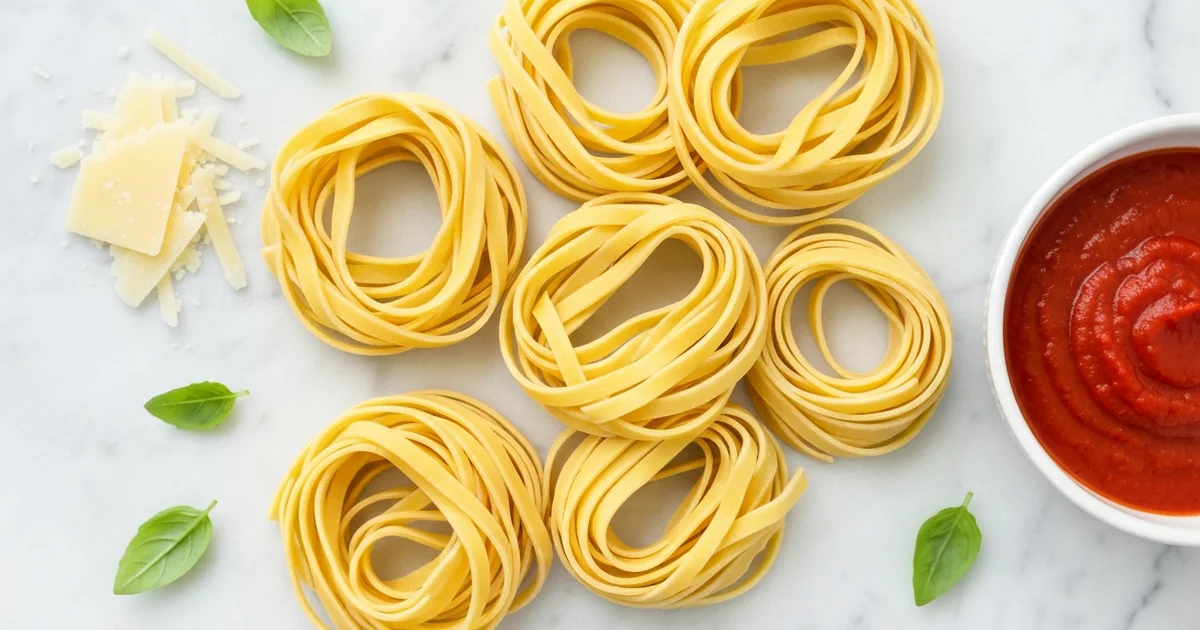
In practice, this recipe is incredibly quick and easy. It’s perfect for those busy weeknights when you need a satisfying meal on the table fast. You can have this delicious sauce ready in under 30 minutes. The trick is using quality ingredients and letting them shine. This versatility is another major plus. It pairs wonderfully with your favorite gluten-free pasta. It also works beautifully with zucchini noodles, as a base for meatballs, or even spread generously on a gluten-free pizza crust. Building on this, it’s also remarkably budget-friendly. You’ll use simple, affordable ingredients that are likely already in your pantry. This eliminates the need for expensive specialty items. This dish proves that eating well doesn’t have to break the bank. It’s a truly satisfying and adaptable staple.
Ingredients Overview: Crafting Your Perfect GF Pasta Sauce
In my kitchen, the quality of ingredients truly dictates the final outcome of any dish, and this is especially true for any homemade gf pasta sauce. Building on this, let’s break down the essential components that will elevate your sauce from good to unforgettable. I always start with a good quality olive oil. Extra virgin olive oil offers a robust, fruity flavor, perfect for sautéing your aromatics. For a milder taste, a regular olive oil works just as well. The trick is to not skimp on this foundational element; it carries the flavors.
The aromatic base is crucial, and for this, I rely on garlic and onion. Finely diced yellow onion and minced garlic create a sweet, pungent foundation that permeates the entire sauce. You’ll notice that cooking these slowly until translucent brings out their natural sweetness without any bitterness. This gentle sautéing process is key to building complex flavors from the very beginning. Without this step, your sauce will lack depth.
The heart of any great tomato sauce lies in its crushed tomatoes. I highly recommend using high-quality canned crushed tomatoes, ideally San Marzano varieties, for their naturally sweet and less acidic profile. When selecting your tomatoes, always check the label carefully to ensure they are indeed is tomato sauce gluten free. Many brands are, but it’s always wise to double-check for any hidden gluten-containing ingredients. These premium tomatoes provide the body and vibrant flavor that defines this recipe.
To intensify that tomato flavor, tomato paste is a non-negotiable ingredient. Just a small amount, cooked down slightly, adds a concentrated richness that deepens the overall profile of the sauce. This step is vital for achieving that slow-simmered taste in less time. It’s a secret weapon for boosting umami.
For herbaceous notes, a combination of dried oregano, dried basil, and dried thyme works wonders. While fresh herbs are lovely, dried herbs often provide a more consistent and robust flavor when simmering for extended periods. Add them early in the cooking process to allow their flavors to meld and bloom. These classic Italian herbs are what give this a truly authentic taste.
A touch of sugar is optional but highly recommended to balance the acidity of the tomatoes. Just a pinch can round out the flavors beautifully. Alternatively, you can achieve natural sweetness by grating a small carrot into the sauce during the simmering stage. This subtle addition sweetens without making the sauce overtly sugary. It’s a healthier way to achieve balance.
Essential for any dish, salt and freshly cracked black pepper are your final seasoning agents. Remember to taste and adjust these throughout the cooking process. A common mistake is under-seasoning, so be brave and season generously, tasting as you go. This iterative seasoning ensures perfect balance.
For those who appreciate a little warmth, red pepper flakes are a fantastic optional addition. Just a pinch adds a subtle kick that brightens the entire sauce. It’s not about making it spicy, but rather adding another layer of flavor. This tiny ingredient can make a big difference.
Finally, vegetable broth or even plain water is used to achieve your desired consistency. Start with a smaller amount and add more as needed, allowing the sauce to simmer and thicken. This ensures that your spaghetti sauce gluten free remains perfectly textured, whether you prefer a thicker or thinner consistency. Always ensure your broth is explicitly labeled gluten free pasta and sauce compatible if using store-bought. This small detail ensures the entire dish remains suitable.
Essential Equipment You’ll Need for Homemade Pasta Sauce
Here’s the thing, while this recipe is incredibly forgiving, having the right tools makes the process smoother and more enjoyable. You don’t need a professional kitchen, but a few key items will elevate your homemade sauce experience. I always tell my readers that preparation is half the battle, and that includes gathering your equipment.
In my kitchen, a large pot or Dutch oven is non-negotiable for making this kind of dish. It needs to be big enough to comfortably hold all your ingredients and allow for proper simmering without overflowing. A heavy-bottomed pot ensures even heat distribution, preventing scorching on the bottom, which is crucial for developing deep flavors. Trust me on this one, a thin-bottomed pot can lead to a burnt mess and nobody wants that. This generous size also allows for easy stirring, letting those rich aromas meld together beautifully.
A sturdy wooden spoon or heat-resistant spatula is also essential. You’ll be doing a fair amount of stirring to prevent sticking and to ensure all the vegetables soften evenly. I prefer a wooden spoon because it won’t scratch your pots and handles high temperatures well. It’s also perfect for scraping down the sides and bottom of the pot, ensuring every bit of flavor is incorporated. You’ll notice that the sauce thickens as it simmers, and constant, gentle stirring is key to its silky texture.
For all your chopping needs, a good cutting board and a sharp chef’s knife are paramount. From dicing onions and garlic to mincing herbs, efficient prep makes the cooking process much more relaxing. Safety first, so always ensure your knife is sharp; a dull knife is more dangerous than a sharp one. This precision in chopping also contributes to the sauce’s consistency and how quickly ingredients cook down.
Accurate measurement is important for consistent results, so measuring cups and spoons are a must-have. While some cooks eyeball ingredients, especially for something as forgiving as this, precise measurements ensure the balance of flavors is just right every time. This is particularly true for seasonings like salt and pepper, or for specific amounts of tomato paste. What I discovered is that consistency in measurement leads to consistent deliciousness.
Finally, a can opener is obviously necessary for your canned tomatoes and tomato paste. An immersion blender is an optional but highly recommended tool if you prefer a smoother sauce, allowing you to blend directly in the pot. For storing any leftovers, having airtight storage containers ready will keep your delicious creation fresh. These simple tools ensure your spaghetti sauce is prepared with ease and enjoyed to its fullest.
Step-by-Step Instructions: Making Your Gluten-Free Spaghetti Sauce
-
Sauté Aromatics: Heat the olive oil in a large, heavy-bottomed pot or Dutch oven over medium heat. Add the chopped onion and cook, stirring occasionally, until it becomes translucent and softened, about 5-7 minutes.
-
Add Garlic & Tomato Paste: Stir in the minced garlic and tomato paste. Cook for another 2-3 minutes, stirring constantly, until the garlic is fragrant and the tomato paste has deepened in color, indicating its flavors have been concentrated.
-
Introduce Tomatoes & Broth: Pour in the crushed tomatoes, vegetable broth, dried oregano, dried basil, and bay leaf. Stir everything together thoroughly to combine all the ingredients.
-
Simmer & Season: Once the sauce comes to a gentle simmer, reduce the heat to low, cover the pot partially, and let it cook for at least 30 minutes, or up to several hours, stirring occasionally to prevent sticking and allowing the rich flavors to meld beautifully into your perfect spaghetti sauce gluten free.
-
Adjust & Finish: Taste the sauce and adjust seasonings as needed, adding more salt, pepper, or a pinch of sugar if it tastes too acidic, and if you prefer a smoother texture, carefully transfer portions of the sauce to a blender and process until desired consistency is reached, then return to the pot to warm through.
Pro Tips & Tricks for the Best Gluten-Free Pasta Sauce
Here’s the thing: making a truly exceptional gf pasta sauce goes beyond just following the steps. It involves understanding the nuances that elevate a good sauce to a great one. I always tell my readers that the foundation of any outstanding tomato-based sauce, especially one that needs to stand on its own without gluten-filled pasta to lean on, starts with impeccable ingredients.
Building on this, don’t skimp on your tomatoes. What I discovered is that the quality of your canned tomatoes directly impacts the final flavor profile of this dish. Opt for whole peeled San Marzano tomatoes, if possible, for their balanced sweetness and lower acidity. They break down beautifully and contribute to that rich, velvety texture we all crave. Another critical element for depth is the slow simmer. In my kitchen, I never rush this process; allowing the sauce to gently bubble for at least an hour, sometimes even two, melds the flavors together wonderfully. This extended cooking time helps to deepen the sweetness of the tomatoes and allows the herbs to fully infuse the sauce. You’ll notice that the sauce thickens naturally and develops a richer color as it cooks down.
The secret is to taste as you go. This might sound obvious, but it’s a step many home cooks overlook. Seasoning isn’t a one-and-done affair; flavors evolve during cooking. Adjust your salt, pepper, and herbs periodically, especially after the sauce has simmered for a while. A common mistake is adding all the seasoning upfront and then realizing it’s either too bland or too overpowering later. When it comes to balancing acidity, especially with certain brands of canned tomatoes, you might find the sauce a little tart. A pinch of sugar can work wonders, or for a more savory approach, I sometimes add a grated carrot which sweetens the sauce naturally without making it cloying. A knob of butter stirred in at the very end can also mellow out any sharp edges and add a luxurious finish.
In practice, achieving your desired texture is entirely up to personal preference. For a rustic, chunky spaghetti sauce gluten free, a simple mashing with the back of a spoon is sufficient. If you prefer a smoother, more refined sauce, an immersion blender is your best friend. A few quick pulses directly in the pot will get you there without any fuss. Alternatively, you can transfer batches to a regular blender, being careful to vent the lid to avoid steam buildup. Worth noting here, for an extra layer of umami, try adding a splash of balsamic vinegar during the last 30 minutes of simmering. It adds a subtle tang and complexity that truly makes the flavors pop. Another trick I learned from an old Italian nonna is to toss in a Parmesan rind while the sauce simmers; it infuses the sauce with incredible savory notes and can be removed before serving. This simple addition can really elevate your homemade creation. For more detailed insights on building complex flavors in tomato sauces, check out this comprehensive guide on tomato sauce.
Enjoyed this recipe? Share it with a friend or save it to your board for later. Leave a comment below — I love hearing how it turned out!
You May Also Enjoy





You Might Also Love These 🍽️
Recipes picked just for you based on what you’re cooking