Flavorful Sides: No Gluten, No Rice, All Yum!
Discover incredible gluten-free, rice-free recipes perfect for any meal. Say goodbye to 'is rice pilaf gluten free?' worries with our tasty alternatives!
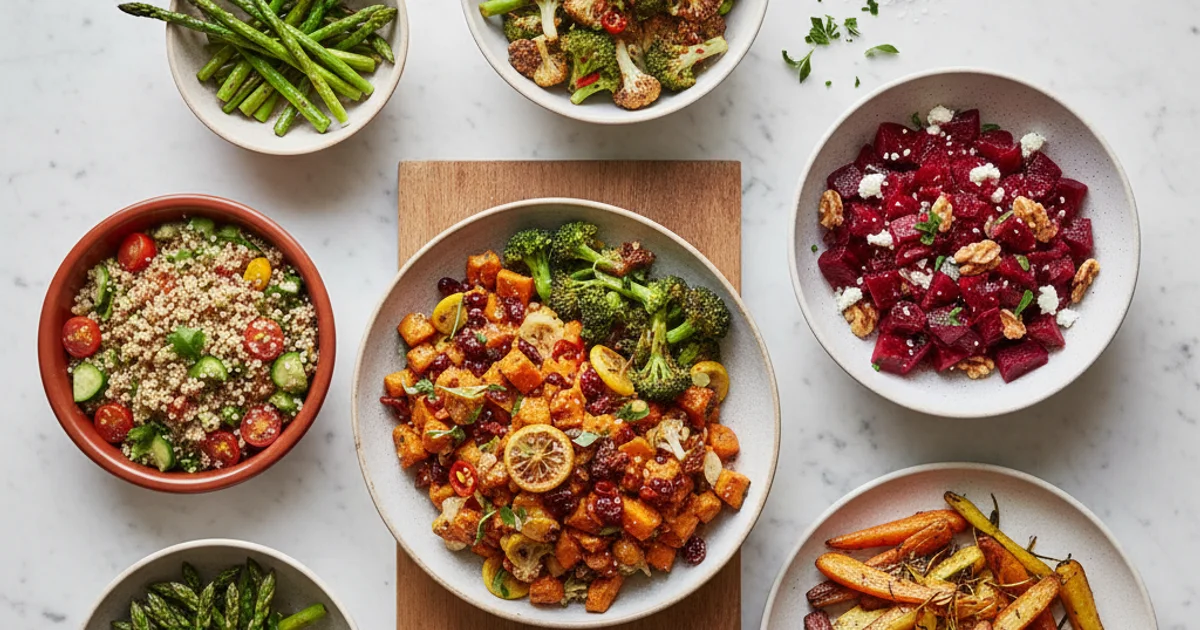
- 1Beyond the Grain: Why Gluten-Free and Rice-Free Matters
- 2Why You’ll Absolutely Love This Gluten-Free Rice-Free Recipe
- 3Essential Ingredients for Your Gluten-Free Rice-Free Delight
- 4Gather Your Gear: Equipment You’ll Need
- 5Step-by-Step Guide to Your Perfect Gluten-Free Rice-Free Meal
- 6Pro Tips & Tricks for Gluten-Free Rice-Free Perfection
Ingredients
For the Base
- 1 tbsp olive oil
- 1 medium onion, diced
- 2 cloves garlic, minced
- 1 cup chopped bell peppers (any color)
- 1 cup riced cauliflower (fresh or frozen, thawed)
- 1/2 cup quinoa, rinsed well (or 1 cup riced broccoli for a strict grain-free option)
Liquid & Seasoning
- 1.5 cups gluten-free vegetable broth
- 1/2 tsp turmeric (for color, mimicking 'yellow rice gluten free')
- 1/4 tsp dried thyme
- Salt and freshly ground black pepper to taste
Optional Add-ins & Garnish
- 1/4 cup chopped fresh parsley
- 2 tbsp toasted slivered almonds
- Lemon wedges for serving
Instructions
Instructions
Heat olive oil in a large skillet over medium heat.
Instructions
Add diced onion and cook until softened, about 5 minutes.
Instructions
Stir in minced garlic and bell peppers, cook for another 3-4 minutes.
Instructions
Add riced cauliflower and rinsed quinoa (if using) to the skillet, stirring to combine. Cook for 2-3 minutes, lightly toasting.
Instructions
Pour in gluten-free vegetable broth, turmeric, thyme, salt, and pepper.
Instructions
Bring to a simmer, then reduce heat to low, cover, and cook for 15-20 minutes, or until quinoa is cooked and liquid is absorbed (if using only cauliflower, cook until tender-crisp, about 8-10 minutes).
Instructions
Remove from heat and let stand, covered, for 5 minutes.
Instructions
Fluff with a fork.
Instructions
Stir in fresh parsley and toasted almonds.
Instructions
Serve immediately with lemon wedges.
Recipe FAQs
Is rice inherently gluten-free, and why is this recipe 'rice-free'?
What's the best alternative to white or brown rice for a gluten-free and rice-free diet?
Can I prepare this recipe using a microwave rice maker for any of the components?
How can I ensure my gluten-free rice-free dish has a good texture and isn't mushy?
Are there specific brands of broth or spices I should look for to ensure they are truly gluten-free?
What's the best way to add protein to make this a complete meal?
Flavorful Sides: No Gluten, No Rice, All Yum!
Discover incredible gluten-free, rice-free recipes perfect for any meal. Say goodbye to 'is rice pilaf gluten free?' worries with our tasty alternatives!
Prep Time
15 min
Cook Time
25 min
Total Time
40 min
For the Base
- 1 tbsp olive oil
- 1 medium onion, diced
- 2 cloves garlic, minced
- 1 cup chopped bell peppers (any color)
- 1 cup riced cauliflower (fresh or frozen, thawed)
- 1/2 cup quinoa, rinsed well (or 1 cup riced broccoli for a strict grain-free option)
Liquid & Seasoning
- 1.5 cups gluten-free vegetable broth
- 1/2 tsp turmeric (for color, mimicking 'yellow rice gluten free')
- 1/4 tsp dried thyme
- Salt and freshly ground black pepper to taste
Optional Add-ins & Garnish
- 1/4 cup chopped fresh parsley
- 2 tbsp toasted slivered almonds
- Lemon wedges for serving
Beyond the Grain: Why Gluten-Free and Rice-Free Matters
Navigating the world of dietary restrictions can often feel like a culinary maze, especially when you’re trying to avoid not one, but two common staples. Many people embarking on a gluten free journey quickly discover that rice often steps in as the primary substitute. You’ll find it in pastas, breads, and countless processed foods. This can be problematic for those who also need to avoid rice due to allergies, intolerances, or simply a desire to diversify their diet.
Here’s the thing: while is rice pilaf gluten free is a common question, many commercial versions contain gluten-laden ingredients or cross-contamination. Similarly, if you’re asking is rice a roni gluten free, the answer is often no, due to wheat pasta inclusions. This recipe addresses that very challenge, providing a truly gluten free rice free option. It caters not only to individuals with Celiac disease or gluten sensitivity but also to those with specific rice allergies or anyone looking to reduce their overall grain intake. What I discovered is that moving beyond these two mainstays opens up a vibrant world of alternative ingredients. This approach encourages culinary creativity and expands your palate. This dish offers a delicious and satisfying solution that proves eating restricted doesn’t mean sacrificing flavor or texture. It’s about exploring new possibilities and enjoying diverse, wholesome foods.
Why You’ll Absolutely Love This Gluten-Free Rice-Free Recipe
In my kitchen, I’m always on the hunt for dishes that deliver on flavor without compromising on dietary needs. This recipe truly stands out. It offers a savory, aromatic profile that satisfies deeply, making it a staple in our home.
The combination of herbs and vegetables creates a rich depth you wouldn’t expect from such a straightforward preparation. You’ll notice that each bite offers a comforting warmth, perfect alongside any main course. It’s a testament to how simple ingredients can create complex tastes.
Here’s the thing, finding genuinely tasty options when navigating dietary restrictions can be a challenge. This dish eliminates that struggle completely. For those avoiding both gluten and rice, it opens up a world of possibilities for side dishes. It’s truly a game-changer for meal planning, especially if you’ve been asking, “Is rice pilaf gluten free?” or “Is yellow rice gluten free?” and coming up short on suitable answers.
What I love about this recipe is its sheer simplicity. It comes together quickly, making it an ideal choice for busy weeknights when time is short but you still crave something wholesome. The preparation is straightforward, meaning less time in the kitchen and more time enjoying your meal. Even if you’re a novice cook, you’ll find this incredibly approachable.
Furthermore, its versatility is unmatched. This accompaniment pairs beautifully with grilled chicken, baked fish, or even a hearty lentil stew. It’s a canvas for your culinary imagination, adapting effortlessly to whatever you’re serving. You can easily adjust the herbs to complement your main dish, ensuring a cohesive meal experience every time. The convenience of preparing some components, like the quinoa, using microwave rice maker instructions also speeds up the process significantly. This treat is truly a winner.
Essential Ingredients for Your Gluten-Free Rice-Free Delight
Here’s the thing: crafting a truly satisfying gluten free rice free dish starts with understanding each component. I always approach ingredient selection with a clear vision for texture and flavor. This recipe relies on a thoughtful combination to achieve that familiar comfort without traditional grains.
Our primary “grain” alternative is cauliflower rice. What I love about this choice is its incredible versatility and neutral flavor profile. It absorbs other flavors beautifully, making it an excellent canvas. Cauliflower rice provides a similar mouthfeel to regular rice, offering a delicate bite without the starchiness. It’s also packed with vitamins C and K, and fiber, adding a nutritional boost to this recipe. When cooked properly, it creates a fluffy, light base that truly mimics the experience of a grain-based side. Building on this, the foundation of any great savory dish lies in its aromatics. We’ll be using onion and garlic to build layers of deep, savory flavor. Sautéing them gently until translucent and fragrant is crucial; this process releases their essential oils and sweetens them, preventing any harsh raw notes. In my kitchen, I never rush this step; it truly sets the stage for the entire dish.
Next, we incorporate vibrant vegetables like bell peppers, carrots, and peas. These add not just a burst of color and visual appeal, but also essential vitamins, minerals, and varying textures. The bell peppers contribute a slight sweetness and crispness, while carrots offer an earthy depth and a softer texture. Peas provide little pops of sweetness and a tender bite. These vegetables are carefully chosen to complement the other ingredients, ensuring that the dish feels hearty and complete. For the liquid component, we use broth, specifically a low-sodium, gluten-free certified vegetable or chicken broth. The key difference is that broth infuses the entire dish with umami and moisture, preventing it from tasting dry. Trust me on this one; a good quality broth makes all the difference in depth of flavor. It also helps in cooking the cauliflower rice to perfection, ensuring each “grain” is tender.
To elevate the flavor profile, we lean on a selection of herbs and spices. Fresh parsley brightens the dish with its herbaceous notes, while a touch of thyme adds an earthy, slightly floral aroma. For that beautiful golden hue often associated with dishes like rice pilaf, we incorporate turmeric. This spice not only provides a warm, slightly peppery flavor but also gives the dish a lovely yellow color, making it visually reminiscent of “yellow rice gluten free” options. You’ll notice that this thoughtful use of spices creates a complex flavor without needing excessive salt. A common mistake is to under-season, but here, the blend of herbs and spices ensures every bite is flavorful. Finally, a healthy fat like olive oil or avocado oil is essential for sautéing and carrying flavors. It helps in browning the aromatics and coating the vegetables, ensuring even cooking and a richer taste. The secret is to use just enough to achieve a glossy finish without making the dish greasy.
Optional add-ins like toasted nuts (almonds or cashews) or dried fruit (cranberries or apricots) can introduce delightful textural contrasts and bursts of sweetness or savory notes. These additions are fantastic for customizing the dish to your preference. They can transform this simple side into something truly special, offering an extra layer of complexity and satisfaction.
Gather Your Gear: Equipment You’ll Need
In my kitchen, having the right tools makes all the difference. You don’t need a gourmet setup for this recipe, but a few essential pieces will ensure a smooth cooking experience. I always start by gathering everything before I even chop an onion. This prevents frantic searching mid-recipe.
A large skillet or Dutch oven is paramount for this dish. Its wide surface allows for even cooking, preventing overcrowding which can lead to steaming instead of sautéing. You want that satisfying sizzle when vegetables hit the pan, not a watery mess. The depth of a Dutch oven is also great for containing all the ingredients as they meld together. Building on this, a sturdy cutting board and a sharp knife are non-negotiable for efficient vegetable preparation. Dull knives are actually more dangerous and make chopping a chore. Trust me on this one; a good knife makes cooking enjoyable.
For precise measurements, measuring cups and spoons are crucial. Eyeballing ingredients can lead to inconsistent results, especially in recipes where balance is key. A wooden spoon or spatula is perfect for stirring and scraping the bottom of your pan without damaging the surface. I prefer wooden spoons because they don’t conduct heat as much as metal. What I discovered is that having a dedicated stirring utensil keeps things moving smoothly.
If you’re making your own cauliflower rice from scratch, a food processor is incredibly helpful. It quickly transforms cauliflower florets into a rice-like texture with minimal effort. Simply pulse until the desired consistency is achieved. For those who opt for pre-made cauliflower rice or other quick-cook alternatives, a microwave rice maker can be a real time-saver. It’s designed to cook grains efficiently in the microwave, and while we’re not using actual rice here, some models work wonderfully for steaming vegetables or reheating components. This can simplify your workflow, especially on busy weeknights. The trick is to ensure your equipment is clean and ready.
Step-by-Step Guide to Your Perfect Gluten-Free Rice-Free Meal
-
Prep Ingredients: Begin by washing all produce thoroughly. Dice the onion into 1/4-inch pieces. Mince the garlic cloves finely. Chop the bell peppers (any color) into 1/2-inch pieces. If using broccoli or cauliflower, cut them into small, bite-sized florets. Measure out 1 teaspoon of dried oregano, 1/2 teaspoon of dried thyme, and 1/4 teaspoon of black pepper, keeping them separate for easy access.
-
Sauté Aromatics: Heat 2 tablespoons of olive oil in a large skillet or pot over medium heat. Add the diced onion and cook, stirring occasionally, until softened and translucent, about 5-7 minutes. Stir in the minced garlic and cook for another minute until fragrant, being careful not to burn it.
-
Add Vegetables: Incorporate the chopped bell peppers, broccoli/cauliflower florets (if using), and any other harder vegetables like carrots or celery into the skillet with the softened aromatics. Sauté for 5-7 minutes, stirring frequently, until they begin to soften slightly but still retain a bit of their crispness.
-
Introduce Your Chosen “Grain” Alternative: Carefully stir in your prepared cauliflower rice, rinsed quinoa, or millet. If using quinoa or millet, you can lightly toast it in the dry pan for 2-3 minutes before adding liquids to enhance its nutty flavor, stirring constantly to prevent burning.
-
Add Liquids and Simmer: Pour in the vegetable or chicken broth, ensuring the “grain” alternative is mostly submerged. Bring the mixture to a gentle simmer over medium-high heat, then reduce the heat to low, cover the pan tightly with a lid, and continue to step 6.
-
Cook Until Tender: Allow the dish to cook undisturbed for 15-20 minutes for cauliflower rice, 15-20 minutes for quinoa, or 20-25 minutes for millet, or until the liquid is absorbed and the “grain” alternative is tender and fluffy.
-
Fluff and Rest for Perfection: Once the cooking time is complete, carefully remove the dish from the heat (or turn off the slow cooker/Instant Pot). Do not stir immediately. Instead, cover the pot tightly with a lid or aluminum foil and let the dish rest undisturbed for 5-10 minutes. This crucial resting period allows the steam to redistribute, resulting in a perfectly fluffy texture and ensures the flavors meld beautifully. You’ll notice a more even consistency after this brief rest.
-
Garnish and Serve Hot: After resting, gently fluff the dish with a fork, separating any clumps and ensuring an airy texture. Taste and adjust seasoning if necessary, adding a pinch more salt or pepper to your preference. Transfer the delicious side dish to a serving bowl and garnish generously with your chosen fresh herbs, such as chopped parsley, cilantro, or chives, for a vibrant pop of color and fresh aroma. Serve immediately while still warm to fully appreciate its comforting flavors and textures.
Pro Tips & Tricks for Gluten-Free Rice-Free Perfection
Here’s the thing: mastering this recipe goes beyond just following steps. I always focus on the details that transform a good dish into something truly memorable. What I discovered is that even small adjustments can make a huge difference in the final outcome of this delectable treat.
The secret is starting with exceptional ingredients. For example, when selecting your vegetables, look for vibrant colors and firm textures. Fresh herbs, too, offer a much brighter flavor profile compared to dried ones, especially when added at the very end of cooking. Trust me on this one; the quality of your produce directly impacts the depth of flavor in this side dish. Another crucial tip, especially when sautéing, is to avoid overcrowding your pan. When too many ingredients are packed together, they steam instead of sear. This leads to a lackluster, watery texture rather than those coveted golden-brown edges and concentrated flavors. In my kitchen, I often cook in batches if I’m making a larger quantity to ensure everything gets proper heat and caramelization.
Building on this, tasting as you go is non-negotiable. Seasoning isn’t a one-and-done step; it’s an ongoing conversation with your food. A pinch more salt here, a dash of pepper there, or even a tiny splash of apple cider vinegar can awaken the entire dish. This is particularly important when working with ingredients that absorb flavors differently. If you’re using a grain alternative like quinoa or millet, a light toast in a dry pan before adding liquid can significantly enhance its nutty flavor and aroma. This simple step adds another layer of complexity that elevates the whole experience. You’ll notice that this pre-toasting also helps achieve a better texture, preventing mushiness.
Achieving the right texture is paramount for this recipe. Overcooking can lead to a mushy result, while undercooking leaves ingredients tough. I always aim for tender-crisp vegetables and perfectly fluffy grain alternatives. A common mistake is adding all the liquid at once; sometimes, it’s better to add liquid gradually and check for doneness. For an extra burst of flavor, a squeeze of fresh lemon juice just before serving brightens everything up. Freshly chopped parsley or cilantro stirred in at the last minute also adds a wonderful herbaceous note. Even a small pat of dairy-free butter swirled in at the end can add a luxurious richness. When making larger batches, consider using a larger pot or pan to ensure even cooking, and remember that batch cooking can save time later in the week. Finally, for anyone managing dietary restrictions, preventing cross-contamination is vital. Always use separate cutting boards and utensils for gluten-containing and gluten-free ingredients. This vigilance ensures that your efforts to create a truly safe and delicious meal are successful.
Enjoyed this recipe? Share it with a friend or save it to your board for later. Leave a comment below — I love hearing how it turned out!
You May Also Enjoy





You Might Also Love These 🍽️
Recipes picked just for you based on what you’re cooking