Unbelievably Creamy Vegan Alfredo Sauce!
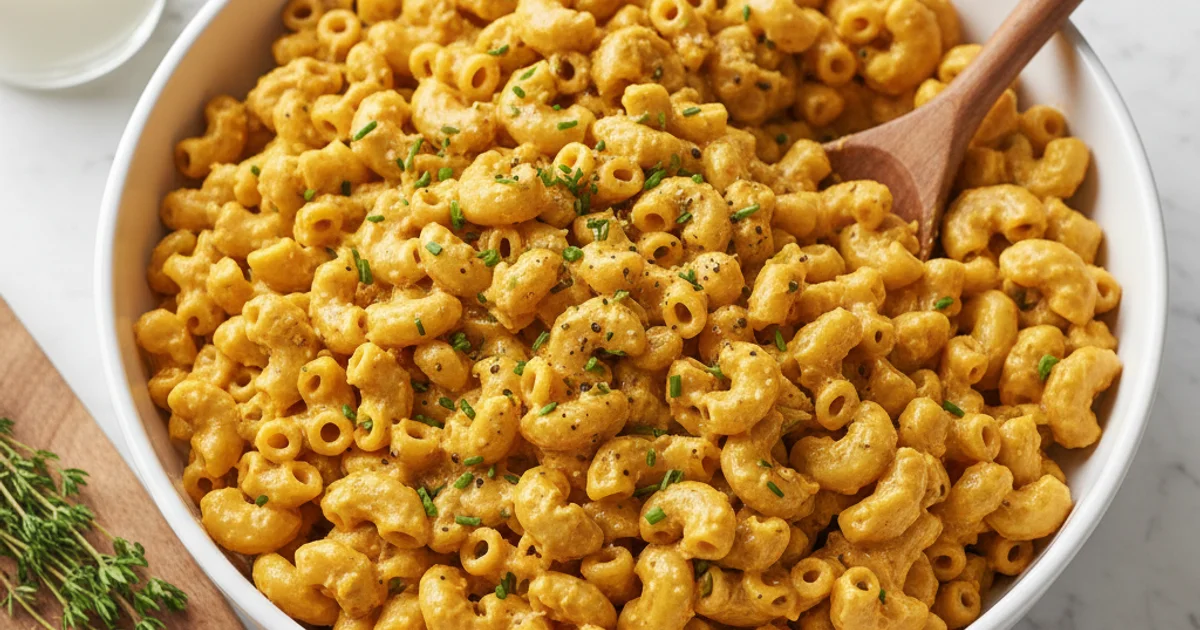
Craving a rich and creamy pasta? This easy vegan alfredo recipe, made with cashew alfredo sauce or coconut milk, is dairy-free and absolutely delicious!
- 1Introduction: Indulge in the Best Vegan Alfredo Pasta
- 2Why You’ll Absolutely Love This Dairy-Free Alfredo Recipe
- 3Ingredients Overview: Crafting the Perfect Cashew Alfredo Sauce
- 4Essential Equipment You’ll Need for Vegan Alfredo
- 5Step-by-Step Instructions: Making Your Creamy Vegan Alfredo Sauce
- 6Pro Tips & Tricks for the Best Vegan Alfredo Pasta
Ingredients
For the Cashew Alfredo Sauce
- 1 cup raw cashews (soaked for at least 30 minutes in hot water, or overnight in cold)
- 1.5 cups unsweetened, unflavored plant milk (almond, soy, or oat)
- 2 cloves garlic, minced (or 1 tsp garlic powder)
- 1/4 cup nutritional yeast
- 2 tbsp lemon juice
- 1 tbsp olive oil or vegan butter
- 1/2 tsp salt (or to taste)
- 1/4 tsp black pepper (or to taste)
- 1/4 cup reserved pasta water (plus more as needed)
For the Pasta
- 12 oz fettuccine or pasta of choice
- Salt for pasta water
Optional Garnishes
- Fresh parsley, chopped
- Vegan Parmesan cheese
- Red pepper flakes
Instructions
Instructions
Soak cashews: Place cashews in a heatproof bowl, cover with boiling water, and soak for at least 30 minutes (or overnight in cold water). Drain and rinse well.
Instructions
Cook pasta: Bring a large pot of salted water to a boil. Add pasta and cook according to package directions until al dente. Reserve at least 1/2 cup of pasta water before draining.
Instructions
Sauté garlic: In a large skillet or saucepan, heat olive oil/vegan butter over medium heat. Add minced garlic and cook for 1 minute until fragrant (do not brown).
Instructions
Blend sauce: Add the drained cashews, plant milk, nutritional yeast, lemon juice, cooked garlic (from skillet), salt, and pepper to a high-speed blender. Blend until completely smooth and creamy, scraping down the sides as needed. This may take 2-3 minutes.
Instructions
Combine and heat: Pour the blended sauce into the skillet. Heat over low-medium heat, stirring occasionally. If the sauce is too thick, gradually whisk in reserved pasta water, 1-2 tablespoons at a time, until desired consistency is reached.
Instructions
Toss with pasta: Add the drained cooked pasta to the skillet with the sauce. Toss gently to coat the pasta evenly.
Instructions
Serve: Taste and adjust seasoning if necessary. Serve immediately, garnished with fresh parsley and vegan Parmesan, if desired.
Equipment You'll Need
Here's what I use to make this recipe perfectly every time:
- High-Speed Blender — → Buy Now
- Large Pot — You'll need a spacious pot for cooking your pasta. This allows the pasta to cook evenly and prevents it from sticking together. I always make sure my pot is large enough to accommodate plenty of water, allowing the pasta to swim freely. → Buy Now
- Large Skillet or Saucepan — → Buy Now
- Measuring Cups and Spoons — → Buy Now
- Strainer or Colander — Essential for draining your cooked pasta and also for straining the soaked cashews. A fine-mesh strainer can be particularly useful for the cashews, ensuring all the soaking water is removed before blending. → Buy Now
- Whisk (optional but recommended) — → Buy Now
Recipe FAQs
Why do I need to soak the cashews for vegan alfredo sauce?
Can I make this vegan alfredo sauce without cashews?
What kind of plant milk is best for vegan alfredo?
My vegan alfredo sauce is too thick/thin. How do I fix it?
Is this vegan alfredo recipe gluten-free?
How long does homemade vegan alfredo sauce last?
Unbelievably Creamy Vegan Alfredo Sauce!
Craving a rich and creamy pasta? This easy vegan alfredo recipe, made with cashew alfredo sauce or coconut milk, is dairy-free and absolutely delicious!
Prep Time
15 min
Cook Time
20 min
Total Time
35 min
For the Cashew Alfredo Sauce
- 1 cup raw cashews (soaked for at least 30 minutes in hot water, or overnight in cold)
- 1.5 cups unsweetened, unflavored plant milk (almond, soy, or oat)
- 2 cloves garlic, minced (or 1 tsp garlic powder)
- 1/4 cup nutritional yeast
- 2 tbsp lemon juice
- 1 tbsp olive oil or vegan butter
- 1/2 tsp salt (or to taste)
- 1/4 tsp black pepper (or to taste)
- 1/4 cup reserved pasta water (plus more as needed)
For the Pasta
- 12 oz fettuccine or pasta of choice
- Salt for pasta water
Optional Garnishes
- Fresh parsley, chopped
- Vegan Parmesan cheese
- Red pepper flakes
Introduction: Indulge in the Best Vegan Alfredo Pasta
There’s a universal comfort found in a bowl of creamy pasta, a dish that often evokes warmth and satisfaction. For many, that craving leads straight to a classic Alfredo, known for its rich, velvety sauce. However, for those navigating a plant-based diet or managing dairy sensitivities, indulging in this traditional favorite usually means missing out. The conventional recipe, brimming with heavy cream and Parmesan, simply isn’t an option.
What I discovered is that you don’t have to sacrifice that luxurious experience. This vegan alfredo recipe offers a truly decadent solution, delivering all the richness and silky texture you crave without a single drop of dairy. I’ve spent years perfecting a plant-based alternative that stands shoulder-to-shoulder with its dairy-laden counterpart. You’ll find that this dish doesn’t just mimic the original; it creates its own delicious identity. It’s a testament to how creative plant-based cooking can be, transforming simple ingredients into something extraordinary. Get ready to dive into a bowl of pure, unadulterated comfort that’s both nourishing and incredibly satisfying. The versatility of this sauce also means it pairs beautifully with almost any pasta shape or vegetable you have on hand.
Why You’ll Absolutely Love This Dairy-Free Alfredo Recipe
What I discovered is that many people crave that luxurious pasta experience but face dietary restrictions. This recipe offers a truly satisfying alternative. It doesn’t just mimic traditional alfredo; it creates its own incredible identity. You’ll notice that the texture is wonderfully smooth, clinging beautifully to every strand of pasta.
The secret is in the blend of plant-based ingredients that create this indulgent sauce. There are no compromises on flavor or consistency. In my kitchen, this has become a staple for quick weeknight meals. It’s comforting and deeply flavorful, hitting all the right notes without any heavy feeling afterward.
Building on this, the preparation is surprisingly straightforward. You don’t need exotic ingredients or complicated techniques. This means less time fussing in the kitchen and more time enjoying your meal. What I love about this is how accessible it makes a gourmet-tasting dish. Even if you’re new to plant-based cooking, you’ll find this recipe empowering. It’s a fantastic entry point into the world of dairy-free cuisine, showing just how rich and satisfying it can be. This rich and creamy cashew alfredo sauce is always a hit.
Ingredients Overview: Crafting the Perfect Cashew Alfredo Sauce
Building on this, let’s dive into the core components that make this dish truly special. In my kitchen, I always focus on understanding each ingredient’s contribution. This ensures not just a delicious outcome but also empowers you to adapt and experiment with confidence.
Here’s the thing: the foundation of any exceptional cashew alfredo sauce lies in its quality ingredients.
- Raw Cashews (soaked): These are the undeniable star of the show. Their mild flavor and high-fat content create an unparalleled creamy texture when blended. Soaking them overnight, or in hot water for at least 30 minutes, is absolutely crucial. This softens them, making them easier to blend into a perfectly smooth, silky sauce without any grittiness. Trust me on this one; inadequate soaking leads to a less refined texture.
- Nutritional Yeast: This ingredient is your secret weapon for achieving that savory, cheesy depth without any dairy. It provides a distinct umami flavor that mimics aged cheese beautifully. Do not confuse it with active dry yeast; they are very different. I always ensure I have a fresh bag on hand, as its flavor can diminish over time.
- Garlic: Fresh garlic cloves are non-negotiable for aromatic depth. Minced or pressed, it infuses the sauce with a warm, pungent flavor that balances the richness. While garlic powder can work in a pinch, fresh garlic offers a more vibrant and nuanced taste profile. I typically use 3-4 cloves, but adjust to your personal preference for garlicky intensity.
- Unsweetened, Unflavored Plant Milk: This liquid base helps achieve the desired sauce consistency. Almond milk is a popular choice for its neutral flavor. Oat milk offers extra creaminess, while soy milk can also work well. Always ensure it’s unsweetened and unflavored; vanilla notes will dramatically alter the final taste. What I love about this is how versatile it makes the recipe.
- Lemon Juice: Freshly squeezed lemon juice brightens the entire dish. It cuts through the richness of the cashews and nutritional yeast, providing a subtle tang that mimics the acidity found in traditional cheese. This small addition makes a huge difference in balancing the flavors. Bottled lemon juice lacks the vibrant zest of fresh.
- Salt & Black Pepper: These are your essential seasonings. Fine sea salt enhances all the other flavors, while freshly cracked black pepper adds a gentle warmth and subtle spice. You’ll notice that tasting and adjusting as you go is key here. The final seasoning should be done just before serving.
- Pasta of Choice: While fettuccine is classic for alfredo, feel free to use your favorite pasta shape. Linguine, penne, or even spaghetti work wonderfully. The sauce clings beautifully to any shape, so choose what you enjoy most. I often opt for a gluten-free pasta myself.
- Olive Oil/Vegan Butter: A touch of either of these adds richness and helps sauté the garlic, releasing its aromatic compounds. Extra virgin olive oil lends a slightly fruity note, while vegan butter provides a more traditional, buttery flavor. Both contribute to a luxurious mouthfeel.
- (Optional) Coconut Milk: For those who desire an even richer, slightly sweeter coconut milk alfredo sauce variation, a small amount of full-fat canned coconut milk can be added. This creates a denser, more decadent sauce. It does impart a subtle coconut flavor, so consider this if you enjoy that profile. I sometimes use it when I want an extra indulgent experience.
Choosing high-quality ingredients truly elevates this dish.
Essential Equipment You’ll Need for Vegan Alfredo
Here’s the thing: having the right tools makes all the difference in the kitchen. For this recipe, a few key pieces of equipment ensure success and a smooth cooking process. You don’t need a professional kitchen, but these items will elevate your experience and the final dish.
-
High-Speed Blender: This is arguably the most important tool for creating a truly silky cashew alfredo sauce. A regular blender might work, but a high-speed one guarantees a perfectly smooth, lump-free consistency, crucial for that restaurant-quality mouthfeel. It breaks down the soaked cashews into an incredibly fine paste, which is the foundation of our creamy sauce. Without it, your sauce might have a slightly grainy texture, which we definitely want to avoid.
-
Large Pot: You’ll need a spacious pot for cooking your pasta. This allows the pasta to cook evenly and prevents it from sticking together. I always make sure my pot is large enough to accommodate plenty of water, allowing the pasta to swim freely.
-
Large Skillet or Saucepan: This is where the magic happens, bringing the sauce and pasta together. A wide skillet with deep sides works best, providing ample surface area for sautéing aromatics and then tossing everything without spills. This also helps in slightly reducing the sauce and coating every strand of pasta beautifully.
-
Measuring Cups and Spoons: Accuracy is key in cooking, especially when balancing flavors in a coconut milk alfredo sauce. Precise measurements ensure the perfect ratio of ingredients, leading to a consistently good result every time. Don’t eyeball it; a little extra or less of certain ingredients can throw off the balance.
-
Strainer or Colander: Essential for draining your cooked pasta and also for straining the soaked cashews. A fine-mesh strainer can be particularly useful for the cashews, ensuring all the soaking water is removed before blending.
-
Whisk (optional but recommended): While the blender does most of the heavy lifting, a whisk can be handy for stirring the sauce in the skillet, especially if you want to ensure no lumps form as it heats. It helps maintain that smooth, uniform texture right up until serving. These simple tools are your allies in crafting a truly memorable meal.
Step-by-Step Instructions: Making Your Creamy Vegan Alfredo Sauce
Here are the first three steps for your Creamy Vegan Alfredo Recipe:
1. Soak the Cashews: For the creamiest sauce, it’s essential to properly soften your cashews. You have two main options:
- Quick Soak (Hot Water): Place the raw cashews in a heatproof bowl and cover them completely with boiling hot water. Let them soak for at least 15-30 minutes, or until they are very tender. This method is perfect if you’re short on time.
- Overnight Soak (Cold Water): Alternatively, you can soak the cashews in cold water in a bowl overnight (8 hours or more) in the refrigerator. This longer soak ensures maximum softness and makes for an incredibly smooth sauce. Regardless of the method chosen, drain and rinse the cashews thoroughly before proceeding.
2. Cook the Pasta: Bring a large pot of salted water to a rolling boil. Add your desired pasta (fettuccine or linguine are classic choices) and cook according to package directions until it is al dente, meaning it’s firm to the bite but not hard. Before draining, reserve about 1 to 1.5 cups of the starchy pasta water; this starchy liquid is crucial for achieving the perfect sauce consistency and helping it cling to the pasta.
3. Sauté Aromatics: While the pasta is cooking, heat 1 tablespoon of olive oil or vegan butter in a large skillet or Dutch oven over medium heat. Add the minced garlic and sauté for 1-2 minutes, stirring frequently, until fragrant and lightly golden, being careful not to burn it.
-
Blend the Sauce: Carefully transfer the drained and softened cashews to a high-speed blender. Add the nutritional yeast, plant milk, fresh lemon juice, and the sautéed garlic from Step 3. Season with salt and black pepper to taste. Blend on high until the mixture is completely smooth and creamy, pausing to scrape down the sides of the blender as needed to ensure no lumps remain.
-
Combine & Thicken: Pour the smooth cashew cream sauce into the skillet where the garlic was sautéed. Place the skillet over medium-low heat and gently warm the sauce, stirring occasionally. If the sauce appears too thick, gradually whisk in the reserved pasta water, one tablespoon at a time, until your desired creamy consistency is achieved.
-
Toss with Pasta: Add the freshly cooked and drained pasta directly into the skillet with the warm Alfredo sauce. Using tongs, gently toss the pasta with the sauce until every strand is evenly coated, ensuring a rich and luxurious finish.
-
Serve immediately: Garnish with fresh parsley and a sprinkle of vegan parmesan cheese, then toss with your favorite cooked pasta and enjoy this creamy, dairy-free delight.
Pro Tips & Tricks for the Best Vegan Alfredo Pasta
Here’s the thing, achieving that restaurant-quality creaminess in your plant-based pasta sauce requires a few insider secrets. I always tell my readers that the details truly make a difference. These are the small adjustments that elevate your dish from good to truly memorable.
-
Don’t Skip Soaking: This is non-negotiable for a truly smooth cashew alfredo sauce. Soaking the cashews softens them completely, allowing them to break down into a velvety texture. I recommend at least four hours, but overnight is even better. If you’re short on time, a quick soak in boiling water for 30 minutes can work in a pinch. However, the longer soak yields a superior result every time.
-
High-Powered Blender is Key: A robust blender is your best friend when making any creamy sauce. It pulverizes the cashews into an incredibly fine consistency, eliminating any graininess. If you don’t own a high-speed blender, simply blend for an extra 2-3 minutes, stopping occasionally to scrape down the sides. You’ll notice that the sauce becomes noticeably smoother with extended blending time.
-
Adjust Consistency with Pasta Water: The starchy water leftover from cooking your pasta is liquid gold. It’s not just for thinning; the starches in the water help the sauce cling beautifully to the noodles. Start by adding a quarter cup at a time, stirring well, until you reach your desired consistency. This simple trick ensures your sauce isn’t too thick or too thin.
-
Taste and Adjust Seasoning: Seasoning is personal, and this recipe is no exception. Always taste your sauce before serving. Pay particular attention to salt, black pepper, and lemon juice. The lemon brightens the flavors and cuts through the richness, preventing the sauce from tasting flat. A common mistake is not adding enough salt, which can make the flavors seem muted.
-
Don’t Overcook the Sauce: Once your sauce is blended, gentle heating is best. Simmering it too vigorously can cause it to thicken excessively, or in some cases, certain plant milks might separate. I always warm it over low to medium heat, stirring constantly, until it’s just heated through. The goal is to warm it, not to boil it down.
-
Serve Immediately: Alfredo sauces, whether traditional or plant-based, are best enjoyed fresh. They tend to thicken considerably as they cool. If you anticipate leftovers, you might want to make the sauce slightly thinner than usual. Reheating can sometimes alter the texture, so savor it while it’s at its peak creaminess. For more tips on achieving perfect pasta every time, refer to this guide on pasta cooking techniques.
-
For a richer coconut milk alfredo sauce: If you crave an even more decadent sauce, incorporate full-fat canned coconut milk. The secret is to use only the thick cream from the top of the can. Reduce the amount of other plant milk slightly to maintain the right consistency. This adds a subtle richness that truly elevates the flavor profile. The trick is to balance it so the coconut flavor doesn’t overpower the dish.
Enjoyed this recipe? Share it with a friend or save it to your board for later. Leave a comment below — I love hearing how it turned out!
You May Also Enjoy





You Might Also Love These 🍽️
Recipes picked just for you based on what you’re cooking