Tapioca vs. Flour: Your Baking Game Changer
Confused about tapioca starch vs. flour? Discover if they're the same, how to substitute, and delicious recipes using tapioca flour.
- 1Introduction: Decoding Tapioca Starch vs. Flour for Home Cooks
- 2Why You’ll Love Understanding Tapioca for Your Kitchen
- 3Tapioca Starch vs. Tapioca Flour: Are They the Same?
- 4The Unique Properties & Uses of Tapioca Flour (Starch)
- 5Substitute Tapioca Flour for Flour: When and How to Make the Switch
- 6Delicious Recipes Using Tapioca Flour (Starch) You Need to Try
Ingredients
Basic Tapioca Slurry (for thickening)
- 1-2 tbsp tapioca starch (or tapioca flour)
- 2-4 tbsp cold water or desired liquid
Example: Simple Fruit Sauce
- 2 cups mixed berries (fresh or frozen)
- 1/4 cup sugar (or to taste)
- 1/4 cup water
- 1 tbsp lemon juice
- 1.5 tbsp tapioca starch slurry (from above)
Instructions
Instructions
Prepare tapioca slurry: Whisk tapioca starch with cold water until smooth.
Instructions
For fruit sauce: Combine berries, sugar, water, and lemon juice in a saucepan.
Instructions
Bring to a simmer over medium heat, stirring occasionally, until berries soften.
Instructions
Pour in the tapioca slurry, stirring constantly.
Instructions
Continue to cook and stir for 1-2 minutes, until the sauce thickens and becomes glossy.
Instructions
Remove from heat and serve warm or chilled.
Recipe FAQs
Is tapioca flour the same as cassava flour?
Can I use tapioca starch for baking bread?
Does tapioca starch contain gluten?
How do I prevent lumps when using tapioca to thicken sauces?
What is the best substitute for tapioca flour?
Why do some tapioca-thickened sauces become gummy?
Tapioca vs. Flour: Your Baking Game Changer
Confused about tapioca starch vs. flour? Discover if they're the same, how to substitute, and delicious recipes using tapioca flour.
Prep Time
10 min
Cook Time
20 min
Total Time
30 min
Basic Tapioca Slurry (for thickening)
- 1-2 tbsp tapioca starch (or tapioca flour)
- 2-4 tbsp cold water or desired liquid
Example: Simple Fruit Sauce
- 2 cups mixed berries (fresh or frozen)
- 1/4 cup sugar (or to taste)
- 1/4 cup water
- 1 tbsp lemon juice
- 1.5 tbsp tapioca starch slurry (from above)
Introduction: Decoding Tapioca Starch vs. Flour for Home Cooks
Have you ever stared at two bags in the baking aisle, one labeled tapioca starch and the other tapioca flour, wondering if there’s an actual difference? You’re not alone. This common kitchen conundrum often leads to confusion, especially when navigating the world of gluten-free cooking or aiming for that perfect sauce consistency. What I discovered is that understanding the nuances, or lack thereof, between tapioca starch vs flour is absolutely crucial for achieving the desired results in your culinary endeavors. It’s more than just semantics; it impacts everything from the chewiness of a cookie to the silky texture of a gravy.
Tapioca itself hails from the cassava root, a staple crop in many tropical regions, and has seen a significant surge in popularity, particularly within the gluten-free community. Its unique properties make it an invaluable ingredient for adding elasticity, binding, and creating a wonderfully light crumb in baked goods where traditional wheat flour isn’t an option. In my kitchen, I’ve learned firsthand how a simple swap or misunderstanding can alter a recipe’s outcome entirely. This guide will demystify these ingredients, equipping you with the knowledge to confidently choose and use them, transforming your baking and cooking from guesswork into guaranteed success. You’ll gain practical insights into how these versatile ingredients behave and where each truly shines.
Why You’ll Love Understanding Tapioca for Your Kitchen
In my kitchen, understanding the subtle characteristics of tapioca starch has genuinely elevated my cooking. It’s not just about following a recipe; it’s about knowing why certain ingredients work. For instance, when I first started experimenting with gluten-free baking, my cookies often came out crumbly. The moment I started incorporating tapioca, I noticed a dramatic shift. This simple addition brought a wonderful chewiness and elasticity to my gluten-free breads and desserts that I couldn’t achieve with other starches.
Building on this, mastering the use of tapioca means you can achieve that sought-after silky smooth texture in sauces and gravies. Unlike cornstarch, which can sometimes leave a cloudy finish, tapioca starch provides a beautiful, glossy sheen. I’ve found it particularly effective in fruit pies, where it thickens the filling without making it opaque, letting the vibrant fruit colors shine through. This clarity is a game-changer for presentation.
What I discovered is that once you grasp the fundamental properties of tapioca, you gain immense confidence in the kitchen. No more guessing if a substitution will ruin your dish! You’ll know exactly when to reach for tapioca starch to create that perfect bouncy texture in mochi or a light crispness in fried foods. This knowledge empowers you to confidently tackle diverse recipes, from traditional Brazilian pão de queijo to homemade bubble tea pearls. It even helps you save money; knowing when tapioca starch vs flour can be used interchangeably means you’re not buying specialized ingredients unnecessarily. Trust me on this one, a little knowledge about this versatile ingredient goes a long way in transforming your everyday cooking into something truly special.
Tapioca Starch vs. Tapioca Flour: Are They the Same?
Here’s the thing: one of the most persistent questions I encounter in my cooking classes is about tapioca starch vs flour. Many home cooks find themselves staring at two different bags in the grocery store, wondering if they need both or if one is superior. I always tell them to breathe easy.
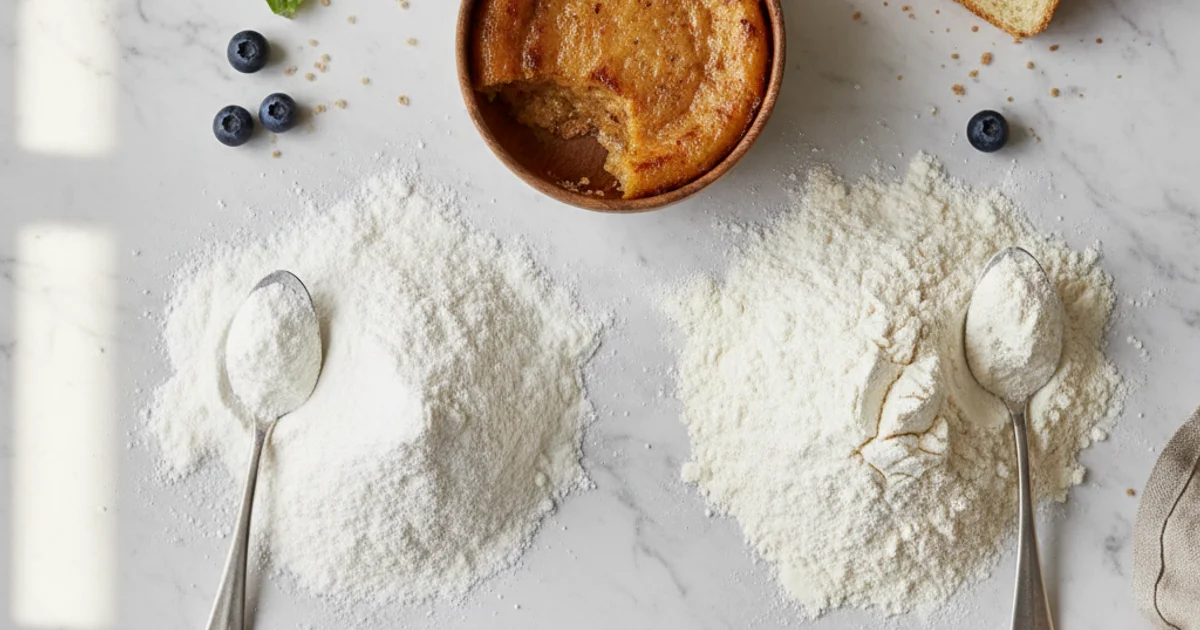
In practice, for almost all culinary applications, tapioca starch and tapioca flour are indeed the same ingredient. Both names refer to the pure starch extracted from the cassava root. The naming convention often causes confusion, but it’s largely a matter of marketing or regional terminology rather than a fundamental difference in composition. Think of it like cornstarch versus corn flour in some parts of the world; often, it’s the same product with a different label. The root is first washed and peeled. Then, it’s grated into a pulp. This pulp is then squeezed to extract a starchy liquid. This liquid is allowed to settle, and the pure starch separates. Finally, it’s dried and pulverized into the fine, white powder we recognize. This meticulous process ensures a product that is almost entirely pure starch, devoid of fiber or other root components.
The key difference is when you compare these to cassava flour. Cassava flour, while also derived from the cassava root, is a completely different product. It’s made by drying and grinding the entire cassava root, including its fibrous parts. This means cassava flour behaves differently in recipes; it absorbs more liquid and has a distinct flavor profile. You cannot use cassava flour as a direct substitute for tapioca starch or flour, as their properties are entirely distinct. When a recipe calls for tapioca flour, it’s looking for that pure, white starch. You’ll notice that this starch provides a unique chewiness in baked goods and a glossy, clear thickening agent for sauces. It’s excellent for achieving those signature textures in gluten-free baking and Asian cuisine. For recipes using tapioca flour, consistency is key, and using the correct ingredient ensures the desired outcome.
The Unique Properties & Uses of Tapioca Flour (Starch)
Here’s the thing, when you reach for that bag labeled tapioca flour (or starch, as we’ve established), you’re unlocking a world of unique culinary possibilities. This humble white powder isn’t just another thickener; it brings specific textural magic to your dishes. I always keep it on hand for its remarkable ability to create a clear, glossy finish in sauces and fruit fillings, unlike cornstarch which can sometimes leave a cloudy residue. This clarity is particularly desirable in fruit pies, where you want the vibrant color of the fruit to shine through.
Building on this, tapioca starch excels as a gluten-free binder, a critical component for anyone navigating gluten-free baking. Without gluten, baked goods can often be crumbly or dense. What I love about this ingredient is its power to impart elasticity and chewiness, mimicking some of the structural qualities that gluten provides. Think about the satisfying chew of a perfectly crafted gluten-free pizza crust or a resilient bread that doesn’t immediately fall apart. It’s this property that makes it indispensable in my kitchen for gluten-free recipes.
The key difference is its molecular structure, which allows it to thicken at a lower temperature and withstand longer cooking times without breaking down, ensuring your gravies and stews remain perfectly viscous. In practice, I also find it incredible for adding a desirable crispiness to fried foods. A light dusting or inclusion in a batter can transform mundane fried chicken into a golden, crunchy delight, or give tempura that signature delicate shatter. It’s a secret weapon for achieving that satisfying sizzle and texture.
Worth noting here, its almost neutral flavor profile means it won’t interfere with the delicate balance of your ingredients. This characteristic makes it highly versatile, allowing the true flavors of your dish to come forward without any starchy aftertaste. Furthermore, its low protein and fat content, being primarily carbohydrate, means it acts as a textural agent without significantly altering the nutritional profile beyond providing energy. This is why it’s a go-to for recipes using tapioca flour where texture is paramount.
- Excellent thickening agent: Produces high viscosity with a clear, glossy finish.
- Gluten-free binder: Adds elasticity and chewiness to baked goods.
- Crispiness enhancer: Ideal for frying batters like tempura.
- Chewy texture creator: Essential for items like mochi and bubble tea pearls.
- Neutral flavor: Doesn’t impart unwanted tastes to your food.
A common mistake is using too much, which can lead to an overly gummy texture, so precise measurement is key. Beyond baking and frying, tapioca starch is fundamental to creating the unique bouncy texture found in bubble tea pearls (boba) and the distinctive chewiness of Brazilian Pão de Queijo. It’s also widely used in traditional puddings and fruit pie fillings, where its ability to create a stable, appealing consistency is unmatched. This versatility makes it a valuable asset for any home cook looking to expand their culinary repertoire.
Substitute Tapioca Flour for Flour: When and How to Make the Switch
So, you’ve got a recipe calling for a different flour, and you’re wondering if your trusty tapioca can step in. Here’s the thing: tapioca flour is a fantastic player in the kitchen, but it’s not a one-size-fits-all swap. I always approach substitutions with a clear understanding of what I want the final dish to be. For gluten-free baking, replacing wheat flour entirely with tapioca flour won’t work. It lacks the protein structure needed for a good rise and will result in a very dense, gummy product. Instead, I typically use tapioca flour as part of a blend, usually making up about 10-20% of the total flour content. This provides a lovely chewiness and helps with browning, without making the baked good too heavy. For example, in a gluten-free bread recipe, I might combine brown rice flour, sorghum flour, and a touch of tapioca for elasticity.
Building on this, when it comes to thickening sauces or gravies, tapioca flour shines. It’s often a superior choice to cornstarch, especially if you plan to freeze and reheat the dish, as it holds up better without breaking down. The key difference is that while you can substitute tapioca for cornstarch at a 1:1 ratio, I often find myself using slightly more tapioca to achieve the same level of thickness. For instance, if a recipe calls for 1 tablespoon of cornstarch, I might use 1.5 tablespoons of tapioca flour. This ensures that silky, clear finish that I love in stir-fries and fruit pie fillings. It also works beautifully to thicken fruit compotes, giving them a glossy sheen without any cloudiness.
In practice, substituting tapioca flour for other starches like arrowroot powder or potato starch is quite straightforward. They share many similar properties, particularly in their thickening capabilities and clear finish. I use them interchangeably in a 1:1 ratio, though I often prefer tapioca for its slightly more neutral flavor profile and resistance to breaking down under prolonged heat. Worth noting here, you’ll notice that potato starch can sometimes impart a slightly potato-y aftertaste, which tapioca avoids entirely. This makes tapioca my go-to for delicate sauces or desserts where I want the fruit or main flavor to truly stand out.
However, there are times when tapioca flour is simply not the right choice. A common mistake is trying to use it as the sole flour in yeast-leavened breads. Without the gluten structure found in wheat flour, these breads will not rise properly and will have a very poor texture. Similarly, in recipes where you desire a dense, crumbly texture, such as shortbread, too much tapioca can make the product chewy rather than tender. The secret is to understand the role each ingredient plays. If a recipe needs structure, stick to flours with higher protein. If it needs elasticity, chewiness, or a clear thickener, that’s when tapioca flour truly excels. For example, I wouldn’t use it as the primary flour in a hearty whole wheat loaf, but it’s perfect for creating a tender crumb in gluten-free muffins.
Delicious Recipes Using Tapioca Flour (Starch) You Need to Try
Let’s dive into some truly delightful ways to use this versatile ingredient in your kitchen. I always find inspiration in seeing how an ingredient transforms different dishes. You’ll notice that tapioca brings something special to each of these preparations, from savory to sweet.
- Pão de Queijo (Brazilian Cheese Bread): This is a classic for a reason. Tapioca flour is the star here, creating that signature wonderfully chewy, airy interior with a crisp crust. The texture is simply unmatched when you use it for this recipe.
- Gluten-Free Pizza Crust/Bread: If you’ve struggled with crumbly gluten-free baked goods, tapioca is your friend. It lends elasticity and a pleasant chewiness to gluten-free pizza crusts and breads, making them much more enjoyable.
- Fruit Pies & Tarts: For fruit fillings, tapioca starch is my secret weapon. It thickens beautifully, resulting in a clear, glossy filling that holds its shape without becoming cloudy. No more watery pie slices!
- Bubble Tea Pearls (Boba): For those who love the chewy spheres in bubble tea, tapioca is the foundational ingredient. It’s what gives boba its characteristic bouncy texture. Making them at home is a fun project.
- Crispy Fried Chicken/Tempura Batter: A light dusting of tapioca starch or including it in your batter creates an incredibly light and crisp coating. It fries up beautifully, offering that satisfying sizzle and crunch.
- Mochi/Dango: These Japanese confections rely heavily on tapioca for their unique soft, delightfully chewy texture. It’s essential for achieving that distinct, slightly stretchy bite.
- Thickened Sauces & Gravies: For stir-fries, rich stews, or Sunday roast gravies, a slurry of tapioca starch provides a silky, smooth finish. It thickens quickly and remains clear, letting the natural colors of your dish shine through.
Building on this, you can see that the applications are incredibly diverse, showcasing its ability to enhance texture in both sweet and savory contexts. This versatility is what makes it a pantry staple in my home.
Enjoyed this recipe? Share it with a friend or save it to your board for later. Leave a comment below — I love hearing how it turned out!
You May Also Enjoy





You Might Also Love These 🍽️
Recipes picked just for you based on what you’re cooking