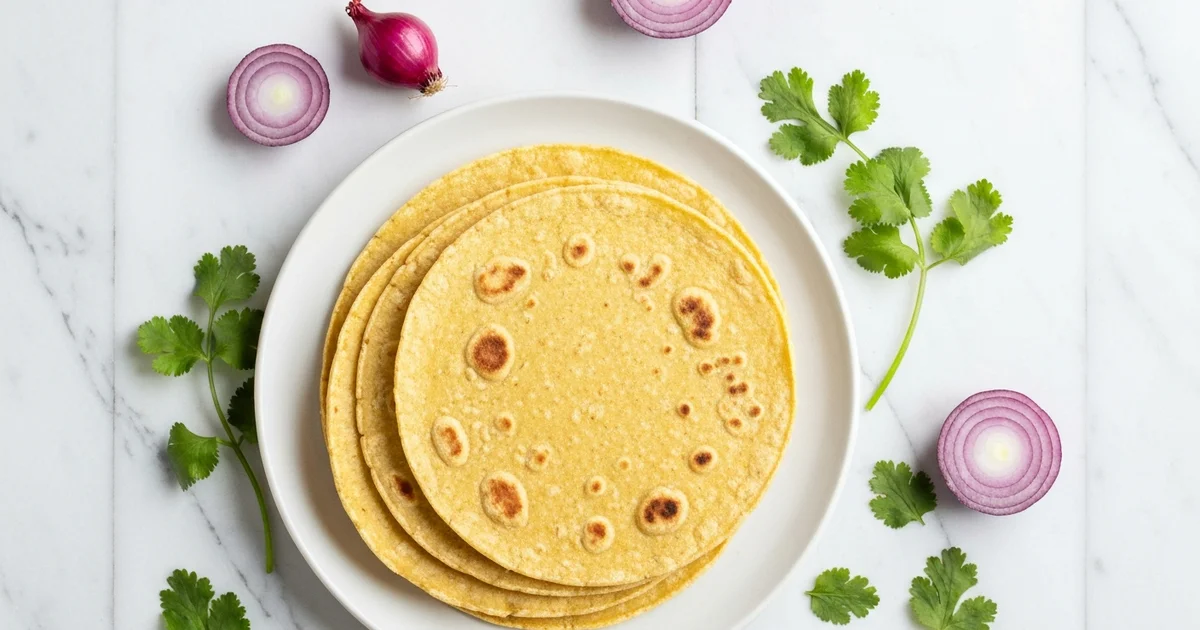
Irresistible Rice Flour Delights for Every Meal
Explore easy rice flour recipes that are gluten-free and perfect for every meal. Discover tips, variations, and more!
- 1Introduction: Why Rice Flour Recipes Matter
- 2Why You’ll Love This Rice Flour Recipe
- 3Ingredients Overview: What You’ll Need for Your Rice Flour Recipes
- 4Equipment You’ll Need for Rice Flour Recipes
- 5Step-by-Step Instructions for Making Rice Flour Recipes
- 6Pro Tips & Tricks for Perfect Rice Flour Recipes
Ingredients
Main Ingredients
- 2 cups white rice flour
- 1 cup water
- 1 tsp salt
- 1 tbsp oil
Instructions
Instructions
Step 1: Mix rice flour and salt in a bowl.
Instructions
Step 2: Gradually add water and oil, stirring to combine.
Instructions
Step 3: Knead the dough until smooth.
Instructions
Step 4: Shape into desired form and cook.
Equipment You'll Need
Here's what I use to make this recipe perfectly every time:
- Mixing Bowls — A set of various sizes is crucial for combining ingredients efficiently. Opt for glass or stainless steel for durability. → Buy Now
- Measuring Cups and Spoons — Precision is key in baking. Use dry measuring cups for flour and liquid measuring cups for liquids to ensure accuracy. → Buy Now
- Sift — If you're working with white rice flour or brown rice flour, a sifter can help eliminate lumps, making it easier to blend with other dry ingredients. → Buy Now
- Baking Sheets — Non-stick baking sheets are ideal for recipes made with rice flour, ensuring your treats release easily. → Buy Now
- Parchment Paper — This is an excellent alternative if you don’t have non-stick bakeware, preventing sticking and making cleanup a breeze. → Buy Now
- Food Processor — While not essential, a food processor can help if you're making your own rice flour from ground rice or need to mix batter quickly. → Buy Now
Recipe FAQs
Can I use brown rice flour instead of white rice flour?
Is white rice flour gluten-free?
What can I substitute for rice flour in a recipe?
How do I store rice flour recipes?
What are some easy recipes made with rice flour?
Can I make rice flour at home?
Irresistible Rice Flour Delights for Every Meal
Explore easy rice flour recipes that are gluten-free and perfect for every meal. Discover tips, variations, and more!
Prep Time
10 min
Cook Time
20 min
Total Time
30 min
Main Ingredients
- 2 cups white rice flour
- 1 cup water
- 1 tsp salt
- 1 tbsp oil
Introduction: Why Rice Flour Recipes Matter
Navigating the world of gluten-free cooking can feel overwhelming, especially when it comes to finding suitable ingredients. Many home cooks are on the lookout for rice flour recipes that not only cater to gluten-free diets but also deliver on flavor and texture. With an increasing number of people embracing gluten-free lifestyles, the demand for versatile alternatives like rice flour has surged. This humble ingredient is not only gluten-free but also incredibly adaptable, making it a fantastic substitute in various traditional recipes, from pancakes to dumplings. What I love about rice flour is its ability to blend seamlessly into dishes, offering a unique texture and taste that can elevate your cooking. If you’re ready to explore some delicious options, let’s dive into the wonderful world of rice flour recipes.
Why You’ll Love This Rice Flour Recipe
What I love about this recipe is its flexibility. Rice flour is a fantastic gluten-free option, making it suitable for those with dietary restrictions. You can confidently serve it to friends or family who may be avoiding gluten without compromising on taste or texture.
In my kitchen, I appreciate how quick and easy it is to whip up. This dish can be ready in under an hour, making it perfect for busy weeknights or last-minute gatherings. You won’t spend hours slaving over the stove; instead, you can enjoy a delightful meal that satisfies everyone.
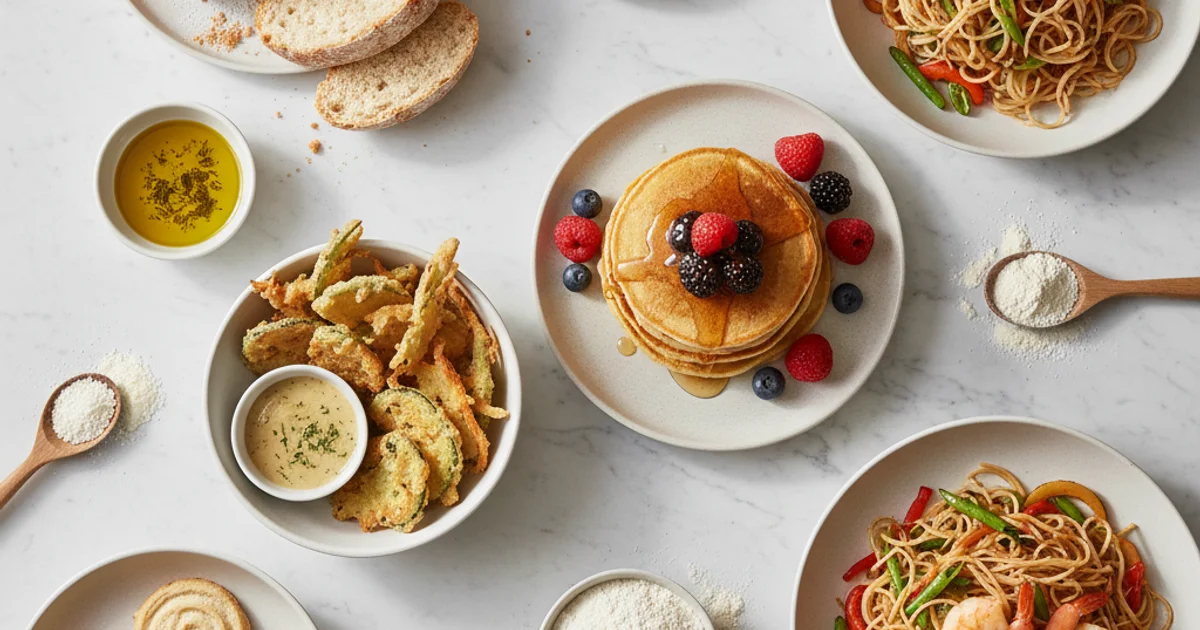
Moreover, the versatility of this ingredient is remarkable. Whether you’re craving something sweet like a rice flour cake or something savory such as a rice flour dumpling, the possibilities are endless. Substituting rice flour in traditional recipes opens up a new world of flavors while maintaining the essence of your favorite dishes.
With options ranging from brown rice flour recipes to creative recipes that use rice flour, you’ll never run out of ideas. So, whether you’re new to cooking with this ingredient or a seasoned pro, this recipe is a delightful addition to your culinary repertoire.
Ingredients Overview: What You’ll Need for Your Rice Flour Recipes
When diving into rice flour recipes, understanding your ingredients is key for achieving the best results. Rice flour serves as the foundation for many gluten-free dishes. It comes in two primary types: white rice flour and brown rice flour. Each variety brings its unique flavor and texture to recipes. White rice flour has a neutral taste and creates a lighter texture, making it ideal for delicate pastries. In contrast, brown rice flour offers a nuttier flavor and heartier texture, perfect for denser baked goods.
In addition to rice flour, you’ll often find other essential ingredients that enhance the dish. For instance, tapioca starch can be used to add chewiness and improve the texture. Similarly, xanthan gum acts as a binding agent, crucial for gluten-free recipes that need structure. When baking or cooking with rice flour, substituting rice flour for traditional wheat flour opens up a world of possibilities for those with dietary restrictions.
Here’s the thing: all these ingredients work synergistically to create a satisfying dish. The gluten-free properties of rice flour and its substitutes make it suitable for a wide range of diets. Whether you’re dealing with a gluten intolerance or simply exploring recipes made with rice flour, understanding these components will ensure a successful outcome. Always remember, the right combination can elevate your culinary creations, transforming them into something special.
Equipment You’ll Need for Rice Flour Recipes
When diving into rice flour recipes, having the right equipment can make all the difference. You don’t need to invest in a fancy kitchen setup, but a few essential tools will streamline the process. Here’s a list of kitchen equipment that will help you master this dish.
- Mixing Bowls: A set of various sizes is crucial for combining ingredients efficiently. Opt for glass or stainless steel for durability.
- Measuring Cups and Spoons: Precision is key in baking. Use dry measuring cups for flour and liquid measuring cups for liquids to ensure accuracy.
- Sift: If you’re working with white rice flour or brown rice flour, a sifter can help eliminate lumps, making it easier to blend with other dry ingredients.
- Baking Sheets: Non-stick baking sheets are ideal for recipes made with rice flour, ensuring your treats release easily.
- Parchment Paper: This is an excellent alternative if you don’t have non-stick bakeware, preventing sticking and making cleanup a breeze.
- Food Processor: While not essential, a food processor can help if you’re making your own rice flour from ground rice or need to mix batter quickly.
Here’s what actually works: if you don’t have a food processor, you can substitute with a high-quality blender or a mortar and pestle for smaller quantities. Just be sure to grind the rice thoroughly for the best results.
If you find yourself without a specific tool, don’t worry! You can often use alternatives, such as a whisk instead of an electric mixer for blending. With these tools on hand, you’ll be well-equipped to create all sorts of recipes that use rice flour.
Step-by-Step Instructions for Making Rice Flour Recipes
Instructions
-
Prepare Your Ingredients
Gather all the necessary ingredients for your rice flour recipe, including rice flour, water or milk, any sweeteners or seasonings, and optional add-ins like fruits or nuts. For best results, measure your ingredients accurately using a kitchen scale or measuring cups. This preparation step is crucial for achieving the right texture and flavor in your dish. -
Mix the Dry Ingredients
In a large mixing bowl, combine the rice flour with any dry ingredients, such as baking powder, salt, or spices, depending on your recipe. Whisk these together thoroughly to ensure an even distribution of all components. This step typically takes about 2-3 minutes. Properly mixing the dry ingredients prevents clumping and ensures a uniform consistency in the final product. -
Incorporate the Wet Ingredients
Slowly add the wet ingredients, like water or milk, to the dry mixture while stirring continuously. This process should be done gradually to avoid lumps forming in the batter. Aim for a smooth, pourable consistency, which usually takes around 5 minutes of mixing. If the mixture appears too thick, you can add a little more liquid to achieve the desired texture. Properly combining these ingredients is essential for a successful and delicious outcome.
Pro Tips & Tricks for Perfect Rice Flour Recipes
When working with rice flour recipes, it’s essential to understand how to achieve the best results. A common mistake is not measuring accurately. Rice flour can vary in density, affecting the outcome of your dish. Use a kitchen scale for precision to ensure consistency.
Another tip is to choose the right type of rice flour. White rice flour is the most versatile, great for thickening sauces or making batters. Meanwhile, brown rice flour adds a nuttier flavor and is often used in gluten-free baking. For those new to gluten-free cooking, try substituting rice flour in equal amounts for all-purpose flour, but expect some texture differences.
The trick is to let your mixture rest before cooking. This allows the flour to hydrate fully, resulting in a better texture. If you’re making pancakes or crepes, let the batter sit for at least 30 minutes.
Lastly, always consider the substitution for rice flour in recipes that call for it. Some alternatives, like ground rice, may not provide the same binding properties. I’ve found that blending different types of rice flours, such as combining white and brown, can enhance flavor and texture. For more detailed information on gluten-free flours, check out this insightful article on health benefits of rice flour.
In summary, careful measurement, the right flour choice, proper resting time, and smart substitutions will elevate your dish. These small adjustments can make a significant difference in your cooking experience.
Enjoyed this recipe? Share it with a friend or save it to your board for later. Leave a comment below — I love hearing how it turned out!
You May Also Enjoy





You Might Also Love These 🍽️
Recipes picked just for you based on what you’re cooking