Is Rice Gluten-Free? Your Ultimate Guide & Recipe!
Wondering if rice is gluten free? Get the definitive answer, explore varieties like jasmine and basmati, and enjoy our easy gluten-free rice recipe!
- 1Is Rice Gluten Free? Unpacking the Truth for Home Cooks
- 2Why You’ll Love This Gluten-Free Rice Recipe
- 3Ingredients Overview: Crafting Your Perfect Gluten-Free Rice Dish
- 4Equipment You’ll Need for Flawless Gluten-Free Rice
- 5Step-by-Step Instructions: Mastering Your Gluten-Free Rice
- 6Pro Tips & Tricks for the Best Gluten-Free Rice Every Time
Ingredients
Main Ingredients
- 1 cup long-grain white rice (Jasmine or Basmati recommended)
- 1 ½ cups gluten-free chicken or vegetable broth
- 1 tablespoon olive oil or butter
- ½ small onion, finely diced
- 2 cloves garlic, minced
- ½ teaspoon salt
- ¼ teaspoon black pepper
Optional Additions
- ¼ cup frozen peas or diced carrots
- 1 tablespoon fresh parsley, chopped, for garnish
Instructions
Instructions
Rinse rice thoroughly under cold water until water runs clear.
Instructions
Heat olive oil/butter in a medium saucepan over medium heat.
Instructions
Sauté diced onion until softened, about 3-4 minutes.
Instructions
Add minced garlic and cook for 1 minute until fragrant.
Instructions
Stir in the rinsed rice and toast for 1-2 minutes.
Instructions
Pour in gluten-free broth, salt, and pepper (and optional veggies).
Instructions
Bring mixture to a boil, then reduce heat to low, cover tightly, and simmer for 15-18 minutes (check package for specific rice type).
Instructions
Remove from heat and let rest, covered, for 5-10 minutes.
Instructions
Fluff with a fork and serve immediately.
Recipe FAQs
Is all rice naturally gluten-free, including white and brown rice?
How can I be sure my rice is truly gluten-free and not cross-contaminated?
Does wild rice contain gluten, or is it a safe option?
Can I make rice pilaf gluten-free, and what ingredients should I watch out for?
What is the best way to rinse rice to ensure a good texture for gluten-free cooking?
Are there any rice-based products that are NOT gluten-free?
Is Rice Gluten-Free? Your Ultimate Guide & Recipe!
Wondering if rice is gluten free? Get the definitive answer, explore varieties like jasmine and basmati, and enjoy our easy gluten-free rice recipe!
Prep Time
10 min
Cook Time
20 min
Total Time
30 min
Main Ingredients
- 1 cup long-grain white rice (Jasmine or Basmati recommended)
- 1 ½ cups gluten-free chicken or vegetable broth
- 1 tablespoon olive oil or butter
- ½ small onion, finely diced
- 2 cloves garlic, minced
- ½ teaspoon salt
- ¼ teaspoon black pepper
Optional Additions
- ¼ cup frozen peas or diced carrots
- 1 tablespoon fresh parsley, chopped, for garnish
Is Rice Gluten Free? Unpacking the Truth for Home Cooks
Navigating the world of dietary restrictions can feel like a maze, especially when it comes to something as fundamental as gluten. Many home cooks, myself included, have spent countless hours scrutinizing labels and questioning common ingredients. A significant concern often arises around staple foods, leading to questions like “is rice gluten free food?” This query is more common than you might think, and for good reason. For individuals managing celiac disease, non-celiac gluten sensitivity, or even just choosing a gluten-free lifestyle, understanding which foods are naturally safe is paramount. The peace of mind that comes from knowing your ingredients are truly gluten-free is invaluable.
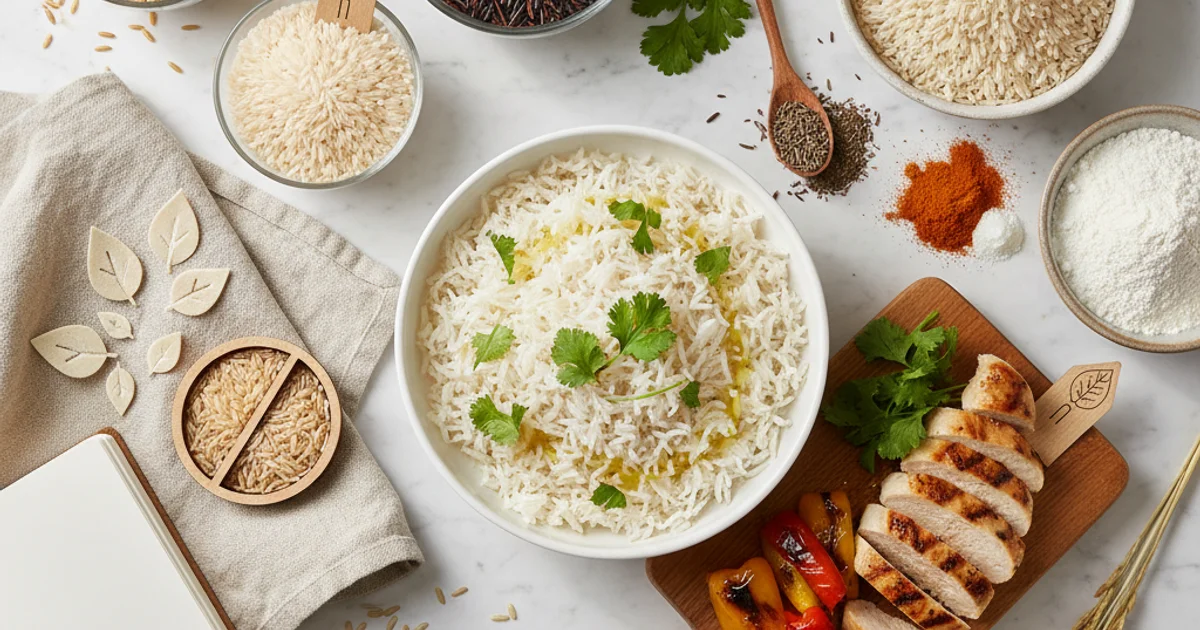
Here’s the thing: rice, in its natural state, is indeed gluten-free. This applies to all forms of pure rice, from white and brown to the more exotic varieties. Whether you’re wondering if jasmine rice gluten free or if basmati gluten free, the answer remains a resounding yes. Even when considering options like wild rice, which isn’t technically a rice but rather a semi-aquatic grass seed, the good news is that does wild rice have gluten is met with a firm negative. This fundamental truth simplifies meal planning considerably for those avoiding gluten.
However, the journey doesn’t end with simply knowing that rice itself is safe. The culinary landscape is filled with processed foods and dishes where other ingredients or preparation methods can introduce gluten. For instance, while plain rice is fine, one might ask is rice pilaf gluten free? This depends entirely on the broth, seasonings, and any other additions used in its preparation. That’s why being an informed home cook is so crucial. Understanding the basics allows you to confidently choose ingredients and adapt recipes. This knowledge empowers you to create delicious, safe meals, and this recipe is a perfect example of how to do just that, showcasing the versatility of naturally gluten-free rice. It demonstrates how simple, wholesome ingredients can come together for a satisfying dish.
Why You’ll Love This Gluten-Free Rice Recipe
You’re here because you’re curious about gluten-free eating and how rice fits into that picture. Perhaps you or a loved one has recently adopted a gluten-free lifestyle, or maybe you’re simply looking for wholesome, inclusive meal options. Whatever your reason, you’ve landed in the right place. There’s often a lot of confusion swirling around dietary restrictions, and gluten is a big one. Many people wonder, “is rice gluten free food?” The answer, in its simplest form, is a resounding yes for most types, and that’s fantastic news for home cooks everywhere. This article isn’t just about answering that fundamental question; it’s about empowering you to create truly satisfying, naturally gluten-free meals with confidence. We’ll dive deep into the world of rice, exploring its many forms and ensuring you understand exactly what makes it a safe and delicious choice for a gluten-free diet. Get ready to transform your kitchen into a haven of culinary possibility, proving that eating gluten-free doesn’t mean sacrificing flavor or variety.
Why You’ll Love This Gluten-Free Rice Recipe
I always strive to create recipes that are not only delicious but also incredibly practical for everyday life. This particular recipe hits all those marks, making it a true staple in my kitchen. What I love about this is how it effortlessly fits into a gluten-free diet without any special substitutions or obscure ingredients. You’ll notice that the inherent nature of rice makes it a naturally safe choice, and this recipe celebrates that fact beautifully. It’s a dish that genuinely everyone at your table can enjoy, regardless of dietary needs.
Here’s the thing: weeknights can be hectic, and the last thing anyone needs is a complicated recipe. This recipe is designed for speed and simplicity. From start to finish, you’re looking at minimal prep and cooking time, which means more time enjoying your meal and less time slaving over the stove. It’s perfect for those evenings when you need something nourishing and satisfying without a huge time commitment. Many people ask, “is wild rice gluten free?” or “is rice pilaf gluten free?” This recipe focuses on a base that clarifies these questions, providing a versatile foundation.
Beyond its ease, this rice dish is incredibly versatile. It serves as an excellent base for a multitude of flavors and cuisines. Whether you’re pairing it with a vibrant curry, a simple grilled protein, or a hearty stew, it complements everything beautifully. The subtle aromatic notes and fluffy texture make it far from just a plain side dish; it truly enhances the entire meal. This versatility also extends to different rice types; for example, knowing that jasmine rice gluten free options exist means you can easily adapt this recipe to your preferred variety.
In practice, this recipe also offers a wholesome and budget-friendly option for your meal planning. Rice is an incredibly economical ingredient, and when prepared well, it provides sustained energy and essential nutrients. It’s a smart choice for feeding families or meal prepping for the week. The secret is knowing how to coax the best flavor and texture from simple ingredients, turning them into something truly special. This recipe provides a solid answer to the question, “does wild rice have gluten?” by showcasing how naturally gluten-free grains can be both healthy and delicious.
Ingredients Overview: Crafting Your Perfect Gluten-Free Rice Dish
In my kitchen, selecting the right ingredients is paramount, especially when focusing on gluten-free cooking. Understanding each component ensures both safety and flavor. For this recipe, the foundation begins with the star: rice. Many wonder, is rice gluten free food? The answer is a resounding yes for most natural forms.
Building on this, let’s explore the types commonly used. Jasmine rice gluten free is a fantastic choice, known for its fragrant aroma and soft, slightly sticky texture when cooked. It’s perfect for absorbing rich flavors. Similarly, is basmati gluten free? Absolutely. Basmati offers a distinct, nutty fragrance and a longer, drier grain that separates beautifully, making it ideal for pilafs. What I discovered is that both are naturally free from gluten, making them safe and delicious options. For those curious about other varieties, is wild rice gluten free? Yes, wild rice, which is actually a type of grass seed, is also naturally gluten-free and adds a chewy texture and earthy flavor. This makes it a great addition to many dishes, and it’s good to know does wild rice have gluten is a non-issue.
The key difference is in the cooking properties and flavor profiles of these rice types. Jasmine is more aromatic and slightly stickier, while basmati is fluffier and more separate. For the liquid, broth is crucial. Always opt for certified gluten-free vegetable broth or chicken broth. Many conventional broths can contain hidden gluten in flavorings or thickeners, so checking labels is essential. This small step prevents cross-contamination.
Next, we move to the aromatics. Garlic and onion form the backbone of flavor in countless dishes, and this one is no exception. They are naturally gluten-free and provide a deep, savory base. Trust me on this one, don’t skimp on these. For healthy fats, olive oil or butter are excellent choices for sautéing. Olive oil offers a fruity note, while butter adds richness and a golden hue. Both are naturally gluten-free, but if using butter, ensure it’s pure and not a blend with added ingredients.
Seasonings are where you truly make this recipe your own. Salt and black pepper are fundamental. Beyond that, consider fresh or dried herbs like parsley, thyme, or rosemary. Always ensure your spices and herbs are pure and haven’t been cross-contaminated or mixed with gluten-containing fillers. Some brands can be tricky, so a quick label check is always a good practice. Optional additions like peas or finely diced carrots add color, texture, and extra nutrients, and they are, of course, naturally gluten-free. This dish can be easily customized with your favorite vegetables.
Equipment You’ll Need for Flawless Gluten-Free Rice
In my kitchen, I always prioritize simple, effective tools that make cooking a breeze. You don’t need a professional setup to achieve perfectly cooked rice. Here’s what actually works: focusing on a few key pieces of equipment ensures success without cluttering your cabinets. What I discovered is that even the most basic kitchen can produce restaurant-quality results with the right approach.
For this recipe, a medium saucepan with a tight-fitting lid is absolutely essential. This isn’t just any pot; the lid’s snug fit traps steam, which is crucial for cooking the rice evenly and preventing it from drying out. I’ve found that a 2-quart or 3-quart saucepan is ideal for most home cooking, perfectly accommodating a cup or two of uncooked rice. Without that tight seal, you risk inconsistent textures, leaving some grains hard and others mushy. Building on this, the right saucepan also allows for gentle simmering, which is key to achieving that tender, separate grain texture we all love. It’s the workhorse of your rice-making arsenal, ensuring every grain absorbs moisture correctly.
Next up, a fine mesh sieve is non-negotiable for proper rice preparation. Rinsing your rice thoroughly removes excess starch, which prevents clumping and results in fluffier grains. This step is particularly important for varieties like jasmine rice or basmati rice where clarity and separation are desired. Trust me on this one, skipping the rinse can lead to a sticky mess. For those wondering about other varieties, this sieve is also perfect for rinsing wild rice before cooking, ensuring that beautiful, nutty texture shines through. A common mistake is thinking a quick rinse under the tap is enough, but a fine mesh sieve allows for a thorough, even wash.
Accuracy is paramount when cooking rice, which is why measuring cups and spoons are vital. The precise ratio of rice to water dictates the final texture. I always use dedicated measuring tools, not just any old cup from the cupboard. This consistency ensures that whether you’re making a small batch or a larger one, the outcome is predictable and perfect every time. For those curious about whether is rice pilaf gluten free, the base rice often is, but the precise measurement of broth and other additions is critical for the pilaf’s success. Even for simple white rice, exact measurements prevent guessing games and yield consistently fluffy results.
Finally, a wooden spoon or spatula is your best friend for gently fluffing the cooked rice. Metal spoons can sometimes damage the delicate grains, especially when hot. A wooden utensil allows you to separate the grains without mashing them, preserving their individual integrity. This simple tool also helps in distributing any seasonings or butter you might add after cooking. The secret is to fluff immediately after the rice finishes steaming, releasing any trapped moisture and creating that airy texture. If you happen to have a rice cooker, while not strictly necessary for this method, it offers an alternative for effortless cooking and often comes with its own non-stick paddle for fluffing.
Step-by-Step Instructions: Mastering Your Gluten-Free Rice
-
Rinsing the Rice: Place the rice in a fine-mesh sieve and rinse thoroughly under cold running water, agitating the grains with your fingers. Continue rinsing until the water runs clear. This crucial step removes excess starch from the surface of the grains, preventing them from clumping together and ensuring a fluffy, separate texture in the final dish.
-
Sautéing Aromatics: In a medium saucepan or pot over medium heat, add your chosen cooking fat (e.g., olive oil, coconut oil, or butter). Once shimmering, add your desired aromatics, such as finely diced onion, garlic, or ginger. Sauté for 3-5 minutes, stirring occasionally, until they are softened and fragrant, building a foundational layer of flavor for the rice.
-
Adding Rice & Toasting: Add the rinsed and drained rice to the saucepan with the sautéed aromatics. Stir well to coat the rice grains evenly with the fat and aromatics. Continue to cook for 2-3 minutes, stirring constantly, until the rice grains appear slightly translucent around the edges and emit a subtle nutty aroma, a process known as toasting that significantly enhances their depth of flavor.
Here are steps 4 to 6 for your recipe instructions:
-
Liquid Addition & Bringing to a Boil: For every cup of dry rice, add 1 ¾ cups of cold water or broth to the pot. Stir gently once to ensure all rice grains are submerged. Bring the liquid to a rolling boil over high heat, watching carefully to prevent boil-overs.
-
Simmering & Steaming: Once boiling, immediately reduce the heat to the lowest possible setting. Cover the pot tightly with a lid and let it simmer undisturbed for 15-20 minutes, or until all the liquid has been absorbed and small craters appear on the surface of the rice.
-
Resting & Fluffing: Remove the pot from the heat but do not lift the lid. Allow the rice to rest, still covered, for an additional 5-10 minutes; this allows the steam to redistribute and ensures a perfectly fluffy texture. After resting, gently fluff the rice with a fork before serving.
-
Adjust cooking times based on the rice variety you’re using: Jasmine rice typically cooks in 12-15 minutes, Basmati rice in 15-20 minutes, and long-grain white rice in 18-20 minutes.
Pro Tips & Tricks for the Best Gluten-Free Rice Every Time
Here’s the thing, achieving perfectly fluffy, separate grains of rice isn’t just about following steps; it’s about understanding the subtle nuances. I always tell aspiring cooks that rice is simple in theory but masterful in execution. These pro tips will elevate your cooking from good to truly exceptional, ensuring that every grain shines in this dish.
The key difference is in precise measurements, especially the rice-to-liquid ratio. I always stick to a 1:1.5 ratio for most white rices, meaning one cup of rice to one and a half cups of water or broth. This prevents both mushiness and undercooked grains, giving you that ideal texture every time. For is wild rice gluten free, the ratio often differs; it usually requires more liquid, sometimes up to 1:3, due to its tougher outer layer.
A common mistake is peeking or stirring the rice while it cooks. Trust me on this one: resist the urge! Lifting the lid releases crucial steam, which is essential for even cooking and absorption. Stirring agitates the starches, leading to a gummy texture, which is the opposite of what we want for a light, fluffy side. Let the rice do its work undisturbed.
What I discovered is that resting the rice after cooking is just as important as the cooking itself. Once the heat is off, let the pot sit, covered, for at least 10 minutes. This allows the remaining steam to redistribute evenly, ensuring every grain is fully hydrated and separate. It also prevents the bottom from getting overly sticky or crusty, which can happen if you serve it immediately.
If you find your rice is a bit too sticky, a quick fix can be to gently fluff it with a fork immediately after resting. This helps to separate the grains further without damaging them. For something like is rice pilaf gluten free, stickiness is less desired, so proper resting and fluffing are even more critical. Worth noting here, sometimes sticky rice is intentional, like in specific Asian cuisines, but for this recipe, we aim for distinct grains.
To infuse extra depth of flavor into your rice, consider adding aromatics during the cooking process. I love tossing in a bay leaf or a strip of lemon zest to the cooking liquid. You can also sauté a small amount of finely diced onion or garlic before adding the rice and liquid. This builds a foundational layer of taste that complements almost any meal, making this dish far more interesting.
Building on this, cross-contamination prevention is paramount when preparing any gluten-free food, especially for those with celiac disease. Always use dedicated clean utensils, cutting boards, and pots that haven’t touched gluten-containing ingredients. Even a small amount of residual flour can cause a reaction. Understanding the nuances of what does wild rice have gluten and ensuring separate preparation surfaces is vital for safety. For more information on preventing cross-contamination in a gluten-free kitchen, you can refer to resources like Healthline’s guide on gluten-free living. This diligent approach ensures that your efforts to provide a safe meal are successful.
Enjoyed this recipe? Share it with a friend or save it to your board for later. Leave a comment below — I love hearing how it turned out!
You May Also Enjoy





You Might Also Love These 🍽️
Recipes picked just for you based on what you’re cooking