GF Gnocchi: Deliciously Homemade & Easy!
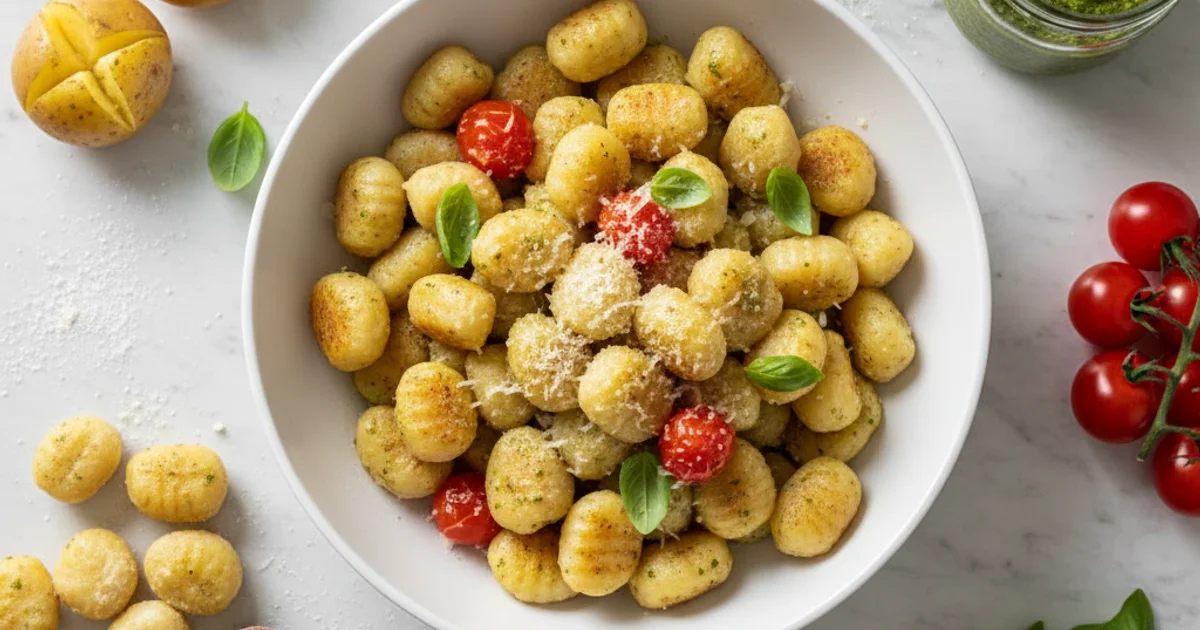
Wondering 'is gnocchi gluten free'? Discover how to make incredible homemade gluten-free potato gnocchi with our easy recipe. Perfect for celiac or gluten-sensitive diets!
- 1Is Gnocchi Gluten Free? Unraveling the Truth for Home Cooks
- 2Why You’ll Love This Gluten-Free Gnocchi Recipe
- 3Ingredients Overview: Crafting Perfect Gluten-Free Potato Gnocchi
- 4Essential Equipment You’ll Need for Homemade Gnocchi
- 5Step-by-Step Instructions: Making Gluten-Free Gnocchi from Scratch
- 6Pro Tips & Tricks for Perfect Gluten-Free Gnocchi Every Time
Ingredients
For the Gnocchi
- 1.5 lbs Russet potatoes (about 2-3 medium)
- 1 large egg, lightly beaten
- 1/2 teaspoon salt
- 1/4 teaspoon nutmeg (optional)
- 1/2 cup gluten-free all-purpose flour blend (plus more for dusting)
- 1/4 cup potato starch (or tapioca starch)
For Serving (Optional)
- 2 tbsp unsalted butter
- 6-8 fresh sage leaves
- Parmesan cheese, grated, for serving
Instructions
Instructions
Bake or boil potatoes until very tender. Peel while hot and rice them.
Instructions
Spread riced potatoes on a clean surface to cool slightly and release steam.
Instructions
Form a well in the potatoes, add egg, salt, nutmeg, GF flour, and potato starch.
Instructions
Gently mix with a fork, then lightly knead until a cohesive dough forms (do not overmix).
Instructions
Divide dough into portions, roll each into a 3/4-inch thick rope.
Instructions
Cut ropes into 1/2-inch pieces. Shape with a gnocchi board or fork (optional).
Instructions
Bring a large pot of salted water to a gentle boil.
Instructions
Cook gnocchi in batches until they float, plus 30-60 seconds more.
Instructions
Remove with a slotted spoon and toss immediately with desired sauce.
Recipe FAQs
Is store-bought gnocchi gluten free?
What kind of potatoes are best for gluten-free gnocchi?
Can I make gluten-free gnocchi without eggs?
Why did my gluten-free gnocchi turn out gummy?
How do I know when gluten-free gnocchi is cooked?
Can I use cornstarch instead of potato starch in gluten-free gnocchi?
GF Gnocchi: Deliciously Homemade & Easy!
Wondering 'is gnocchi gluten free'? Discover how to make incredible homemade gluten-free potato gnocchi with our easy recipe. Perfect for celiac or gluten-sensitive diets!
Prep Time
30 min
Cook Time
25 min
Total Time
55 min
For the Gnocchi
- 1.5 lbs Russet potatoes (about 2-3 medium)
- 1 large egg, lightly beaten
- 1/2 teaspoon salt
- 1/4 teaspoon nutmeg (optional)
- 1/2 cup gluten-free all-purpose flour blend (plus more for dusting)
- 1/4 cup potato starch (or tapioca starch)
For Serving (Optional)
- 2 tbsp unsalted butter
- 6-8 fresh sage leaves
- Parmesan cheese, grated, for serving
Is Gnocchi Gluten Free? Unraveling the Truth for Home Cooks
For many, the soft, pillowy texture of gnocchi is a culinary delight. However, a common question arises for those navigating dietary restrictions: is gnocchi gluten free? The straightforward answer, for traditional gnocchi made with wheat flour, is no. This can be disappointing news for individuals with celiac disease or gluten sensitivities. Wheat flour, a primary ingredient in most classic gnocchi preparations, contains gluten, making it unsuitable for a gluten-free diet. Understanding this distinction is crucial for safe and enjoyable eating.
In my kitchen, I’ve seen firsthand the growing demand for alternatives. More and more home cooks are seeking gluten free gnocchi recipes that don’t compromise on taste or texture. The good news is that creating a fantastic gluten-free version is entirely achievable with the right ingredients and techniques. We’re moving beyond simple substitutions to craft something truly special. This article will guide you through making a delightful homemade potato gnocchi that respects dietary needs. You’ll discover that answering “does gnocchi have gluten?” leads to a world of delicious possibilities. We’ll explore how to achieve that perfect chew and tenderness without a trace of wheat. The aim is to empower you to create a dish that rivals any traditional offering.
Why You’ll Love This Gluten-Free Gnocchi Recipe
I always get asked about alternatives for classic dishes, and this one is a true gem. What I love about this particular recipe is how it delivers on the promise of that beloved, delicate texture. You’ll notice that each bite is incredibly soft, melting in your mouth just like traditional gnocchi should. This isn’t one of those compromises; it’s a genuine culinary triumph for anyone wondering, is gnocchi gluten free.
Building on this, I’ve made sure the steps are incredibly straightforward. Even if you’ve never made pasta from scratch, you’ll find this recipe approachable and rewarding. I guide you through each stage, ensuring success from mashing the potatoes to forming those signature ridges. The secret is in the careful balance of ingredients, creating a dough that’s both workable and light.
Here’s the thing, we’re focusing on wholesome components that are naturally free from gluten. We’re not relying on obscure flours or complex binders. This means you can source everything easily at your local grocery store, making this a convenient option for weeknight meals or special occasions. This dish becomes a versatile foundation for whatever flavors you’re craving. It pairs beautifully with rich tomato sauces, earthy pesto, or even a simple butter and sage dressing. It truly offers a delicious and safe alternative for anyone needing to avoid gluten in their diet, proving that the answer to “is potato gnocchi gluten free” can be a resounding yes with the right recipe.
Ingredients Overview: Crafting Perfect Gluten-Free Potato Gnocchi
Building on this, let’s explore the individual components that make this dish truly special. Each ingredient plays a crucial role in achieving that sought-after texture and flavor. Understanding their purpose helps you make informed choices in your kitchen.
Russet Potatoes are the undisputed star of this recipe. Their high starch content and low moisture make them ideal for gnocchi. Unlike waxy potatoes, Russets (or Idaho potatoes) produce a light, fluffy dough. What I discovered is that baking them in their skins, rather than boiling peeled potatoes, prevents them from absorbing too much water. This crucial step ensures your potato starch gnocchi maintains its delicate structure. Excess moisture leads to a sticky, dense dough, requiring more flour and resulting in a heavier gnocchi.
Next, we turn to the Gluten-Free All-Purpose Flour Blend. This is where the magic happens for those avoiding gluten. The key difference is that these blends typically combine various flours and starches like rice flour, tapioca starch, and potato starch. I always opt for a high-quality blend that already contains xanthan gum. Xanthan gum mimics the elasticity provided by gluten, preventing your gnocchi from crumbling. Without it, your dough would lack cohesion, making it difficult to work with. This blend is vital for the structure of the gnocchi.
An Egg (or just an egg yolk) acts as a binder, bringing the dough together. It adds richness and contributes to a tender, not tough, final product. In practice, the egg helps emulsify the ingredients, creating a smoother, more pliable dough. It’s especially important in gluten-free gnocchi recipes where traditional gluten isn’t present to provide that binding power.
Potato Starch (or tapioca starch) is a secondary binder that really shines here. It contributes to the characteristic light and airy texture. This ingredient is particularly beneficial in gluten-free cooking, as it helps prevent the gumminess often associated with some gluten-free flours. It ensures the gnocchi remains tender and doesn’t become heavy. This helps answer the question, are gnocchi gluten free when made with these careful ingredient choices?
A pinch of Salt is non-negotiable for flavor. It brightens the natural sweetness of the potatoes and balances the overall taste. Trust me on this one, don’t skimp on the salt; it truly enhances every bite. Finally, a whisper of Nutmeg is an optional but highly recommended addition. It complements the earthy potato flavor without overpowering it, adding a subtle warmth. This touch elevates the dish, giving it a classic Italian nuance.
Essential Equipment You’ll Need for Homemade Gnocchi
In my kitchen, having the right tools makes all the difference, especially when tackling a recipe like homemade gnocchi. You don’t need a professional setup, but a few key items will ensure your success and make the process much smoother. Trust me on this one; trying to improvise some steps can lead to frustration and a less-than-ideal final product.
First up, a large pot is essential. You’ll use one for boiling your potatoes until they’re perfectly tender, and another, or the same one cleaned, for cooking the gnocchi itself. A generous pot prevents overcrowding, allowing your gnocchi to cook evenly without sticking together. A common mistake is trying to cram too many gnocchi into a small pot, leading to gummy results.
Next, and perhaps the most crucial tool for light, airy gnocchi, is a potato ricer or food mill. This gadget is a non-negotiable for achieving the right texture. What I discovered early on is that mashing potatoes with a fork or a traditional masher incorporates too much starch and liquid, leading to dense, heavy gnocchi. A ricer, however, extrudes the cooked potato into fine, fluffy strands, preserving that delicate texture. This step alone significantly impacts whether your gnocchi will be light pillows or leaden sinkers. Many wonder, “does gnocchi have gluten?”, and while traditional recipes do, the texture heavily relies on how the potato is handled.
You’ll also need a large mixing bowl to combine your riced potatoes with the other ingredients. A spacious bowl gives you ample room to work without making a mess, allowing for gentle mixing. Building on this, a bench scraper or a sharp knife is indispensable for dividing your dough into manageable portions and then cutting the individual gnocchi. This ensures uniform pieces, which cook at the same rate.
A generously floured surface is absolutely critical for rolling and shaping. I always keep a good dusting of gluten-free flour on my countertop to prevent sticking, which can quickly turn a fun shaping session into a sticky nightmare. The secret is to use just enough flour to keep things from adhering, but not so much that it dries out the dough. This attention to detail is key for successful gluten free gnocchi recipes.
For those characteristic ridges that capture sauce so beautifully, a gnocchi board or even just a fork is recommended. While optional, these tools create texture, allowing your delicious sauce to cling to every piece. It’s a small detail that makes a big difference in the eating experience. Here’s what actually works: pressing each gnocchi lightly against the tines of a fork or the board creates those sauce-loving grooves.
Finally, a slotted spoon or spider is perfect for transferring your cooked gnocchi from the boiling water to your sauce. This allows excess water to drain away, preventing it from diluting your carefully crafted sauce. You’ll also want baking sheets lined with parchment paper ready to receive your shaped gnocchi before cooking. This prevents them from sticking together while they wait their turn, ensuring each one maintains its perfect shape. This careful preparation is vital for ensuring your homemade gnocchi turns out perfectly every time.
Step-by-Step Instructions: Making Gluten-Free Gnocchi from Scratch
-
Cook the Potatoes: Preheat your oven to 400°F (200°C) and bake whole, unpeeled potatoes until they are fork-tender, or boil them in their skins until soft throughout. It is crucial not to overcook the potatoes to prevent them from becoming waterlogged, which can lead to a sticky gnocchi dough.
-
Rice the Potatoes: As soon as the potatoes are cooked and still hot, carefully peel them and pass them through a potato ricer directly onto a clean work surface or into a large mixing bowl. Working with hot potatoes is essential because it allows the steam to escape, resulting in a lighter, fluffier gnocchi.
-
Form the Dough: Create a well in the center of the riced potatoes. Add the gluten-free flour, potato starch, egg, and salt into the well. Gently mix the ingredients with a fork, gradually incorporating the potatoes, then lightly knead the mixture until it just comes together into a cohesive dough. Remember, it is vital not to overwork the dough, as this can develop the starches and lead to tough gnocchi.
-
Roll & Cut: Divide the dough into 4-6 equal sections. On a lightly floured surface (using gluten-free flour), roll one section at a time into a long, even rope, about ¾-inch thick, resembling a snake. Use a sharp knife or bench scraper to cut the rope into ½-inch pieces.
-
Shape (Optional but Recommended): For that classic gnocchi texture that holds sauce beautifully, gently roll each individual gnocchi piece down the back of a gnocchi board or the tines of a fork, pressing lightly with your thumb to create ridges and a small indentation.
-
Cook the Gnocchi: Fill a large pot with water and add a generous pinch of salt. Bring the water to a gentle boil, ensuring it’s not a rolling boil that could break apart the delicate gnocchi. Carefully drop the gnocchi into the boiling water in small batches to avoid overcrowding the pot. Cook until they float to the surface, then continue cooking for an additional 30-60 seconds to ensure they are fully cooked through.
-
Remove the cooked gnocchi from the boiling water with a slotted spoon and immediately transfer them to a serving bowl, tossing gently with your favorite gluten-free sauce to coat evenly.
Pro Tips & Tricks for Perfect Gluten-Free Gnocchi Every Time
Here’s the thing: making gnocchi, especially gluten-free gnocchi, is an art form that improves with practice. I always tell home cooks that a few simple tricks can elevate their results from good to truly exceptional. One of the most crucial pieces of advice I can offer is to be mindful of how you handle the dough. Trust me on this one: don’t overwork the dough. Even with gluten-free flours, excessive kneading can develop starches in a way that makes your gnocchi tough and dense, losing that characteristic pillow-like texture. You want to mix just until everything comes together, maintaining a light hand.
Building on this, the state of your potatoes makes a huge difference. I always recommend using hot potatoes immediately after they’re cooked and riced. The steam escaping from the hot potatoes is your ally here; it helps dry them out, which is paramount for avoiding a gummy texture later on. Cold, damp potatoes will absorb more flour, leading to a heavier gnocchi. What I discovered is that a potato ricer is invaluable for achieving that fluffy, fine texture without overworking the starch. For more insights on potato varieties and preparation, you might find this article on choosing potatoes for gnocchi helpful.
The key difference is how gluten-free flours behave compared to traditional wheat flour. They absorb liquids differently, often requiring less moisture or a different ratio. This is why you should adjust flour gradually. Start with the recommended amount, then add more a tablespoon at a time until your dough is cohesive but still soft and slightly tacky, not sticky. It’s a tactile process that you’ll learn to feel over time. A common mistake is adding too much flour too quickly, resulting in dry, hard gnocchi that lack that delicate bite.
In practice, I always perform a test cook with a few gnocchi before boiling the entire batch. This simple step is a lifesaver. Drop 2-3 pieces into simmering water and cook them. If they hold their shape and have a lovely texture, you’re good to go. If they dissolve, your dough needs more flour. If they are too firm, you might need a touch more potato or less flour next time. This quick check allows for adjustments, ensuring your entire batch is perfect.
Worth noting here, when cooking your gnocchi, remember to use a gentle boil. A rolling, vigorous boil can be too aggressive for the delicate potato dumplings, causing them to break apart. A gentle simmer is all that’s needed to cook them through without damaging their structure. This careful approach maintains their integrity and ensures they remain plump and tender. The secret is to wait until they float to the surface, then give them another 30-60 seconds before removing them.
Here’s what actually works: don’t overcrowd the pot. Cooking too many gnocchi at once will drastically drop the water temperature, leading to uneven cooking and sticking. Cook them in small batches, giving each piece enough space to move freely. This practice ensures consistent cooking and prevents them from clumping together. After cooking, I often transfer them directly to a pan with sauce, allowing them to absorb those lovely flavors.
Finally, maintaining a clean and manageable workspace is essential. I always keep my work surface and hands lightly dusted with gluten-free flour. This simple step prevents the soft dough from sticking to everything, making the shaping process much smoother and less frustrating. This small detail makes a big difference in the overall experience and outcome of your homemade gnocchi.
Enjoyed this recipe? Share it with a friend or save it to your board for later. Leave a comment below — I love hearing how it turned out!
You May Also Enjoy





You Might Also Love These 🍽️
Recipes picked just for you based on what you’re cooking