GF Frosting Q&A + Chocolate Ermine Recipe!
Discover if frosting is gluten-free and master a silky, delicious gluten and dairy-free chocolate ermine frosting. Perfect for all your baking needs!
- 1Is Frosting Gluten-Free? Understanding Your Options for Delicious Desserts
- 2Why You’ll Love This Silky Gluten-Free Chocolate Ermine Frosting
- 3Ingredients Overview: Crafting Your Gluten-Free Chocolate Ermine Frosting
- 4Essential Equipment You’ll Need for Perfect Gluten-Free Icing
- 5Step-by-Step Instructions: Mastering Your Gluten-Free Chocolate Ermine Frosting
- 6Pro Tips & Tricks for the Best Gluten-Free Icing Results
Ingredients
For the Roux Base
- 1 ½ cups (360ml) whole milk or unsweetened dairy-free milk
- ½ cup (100g) granulated sugar
- ¼ cup (30g) cornstarch
- ¼ cup (25g) unsweetened cocoa powder (Dutch-processed recommended)
- ¼ teaspoon salt
For the Frosting
- 1 cup (226g) unsalted butter, softened to room temperature (or dairy-free butter alternative)
- 1 teaspoon pure vanilla extract
Instructions
Instructions
In a medium saucepan, whisk together milk, sugar, cornstarch, cocoa powder, and salt until smooth.
Instructions
Cook over medium heat, whisking constantly, until the mixture thickens to a pudding-like consistency (about 5-8 minutes).
Instructions
Remove from heat and immediately transfer the mixture to a heat-proof bowl. Press plastic wrap directly onto the surface to prevent a skin from forming.
Instructions
Allow the roux to cool completely to room temperature (this can take 1-2 hours, or chill briefly if in a hurry, but ensure it's not cold).
Instructions
In a stand mixer fitted with the paddle attachment (or using a handheld mixer), beat the softened butter on medium-high speed until light and fluffy, about 3-5 minutes.
Instructions
With the mixer on low speed, gradually add the cooled roux to the creamed butter, one spoonful at a time, beating well after each addition until fully incorporated.
Instructions
Once all the roux is added, increase the speed to medium-high and beat for another 5-7 minutes, until the frosting is light, fluffy, and increased in volume. Scrape down the sides of the bowl as needed.
Instructions
Add the vanilla extract and beat until just combined.
Instructions
Use immediately or store as directed in the storage section.
Recipe FAQs
Is store-bought frosting typically gluten-free?
Can I use almond flour instead of cornstarch in this recipe?
My frosting looks curdled after adding the roux. What went wrong?
How can I make this chocolate ermine frosting less sweet?
Is vanilla flavoring gluten-free? What about other extracts?
Can I use oil instead of butter for a dairy-free version?
GF Frosting Q&A + Chocolate Ermine Recipe!
Discover if frosting is gluten-free and master a silky, delicious gluten and dairy-free chocolate ermine frosting. Perfect for all your baking needs!
Prep Time
10 min
Cook Time
20 min
Total Time
30 min
For the Roux Base
- 1 ½ cups (360ml) whole milk or unsweetened dairy-free milk
- ½ cup (100g) granulated sugar
- ¼ cup (30g) cornstarch
- ¼ cup (25g) unsweetened cocoa powder (Dutch-processed recommended)
- ¼ teaspoon salt
For the Frosting
- 1 cup (226g) unsalted butter, softened to room temperature (or dairy-free butter alternative)
- 1 teaspoon pure vanilla extract
Is Frosting Gluten-Free? Understanding Your Options for Delicious Desserts
Many home bakers naturally assume that all frosting is inherently free from gluten. Here’s the thing, while many traditional buttercream recipes avoid flour, certain types, like the classic ermine frosting, traditionally use a flour-based roux as their base. This can be a significant concern for individuals managing celiac disease or gluten sensitivities. I always prioritize making sure my recipes are accessible and transparent about their ingredients.
What I discovered is a common misconception that because frosting isn’t bread, it automatically avoids gluten. However, unexpected sources, such as flavorings or even cross-contamination in shared kitchen spaces, can introduce gluten. The increasing demand for genuinely gluten-free dessert options means bakers need reliable recipes that don’t compromise on taste or texture. This recipe specifically addresses this need, offering a rich and stable chocolate ermine frosting that is completely gluten-free. It provides a luxurious topping for cakes and cupcakes, ensuring everyone can enjoy a decadent treat without worry. This particular method also makes it simple to prepare a gluten and dairy free frosting, by making just a few simple substitutions. Understanding what goes into your frosting is crucial for safe and satisfying baking.
Why You’ll Love This Silky Gluten-Free Chocolate Ermine Frosting
Building on this, you’ll find that this chocolate ermine frosting truly stands apart from typical buttercreams. What I love about this recipe is its unbelievably smooth and silky texture. It’s incredibly light and airy, almost reminiscent of a whipped cream, yet it boasts impressive stability. This delicate balance means you get a luxurious mouthfeel without the overwhelming sweetness that often accompanies traditional frostings.
Here’s the thing, for those wondering, is frosting gluten free, this recipe provides a definitive and delicious answer. It’s naturally free from gluten, making it a fantastic option for anyone with sensitivities or Celiac disease. The magic lies in using cornstarch as the thickener for the milk-based roux, rather than traditional flour. This simple substitution ensures it’s safe and accessible. Furthermore, with a quick swap of dairy milk for a plant-based alternative like almond or oat milk, and butter for a good quality vegan butter, this treat effortlessly becomes gluten and dairy free frosting. This versatility is a huge plus in my kitchen.
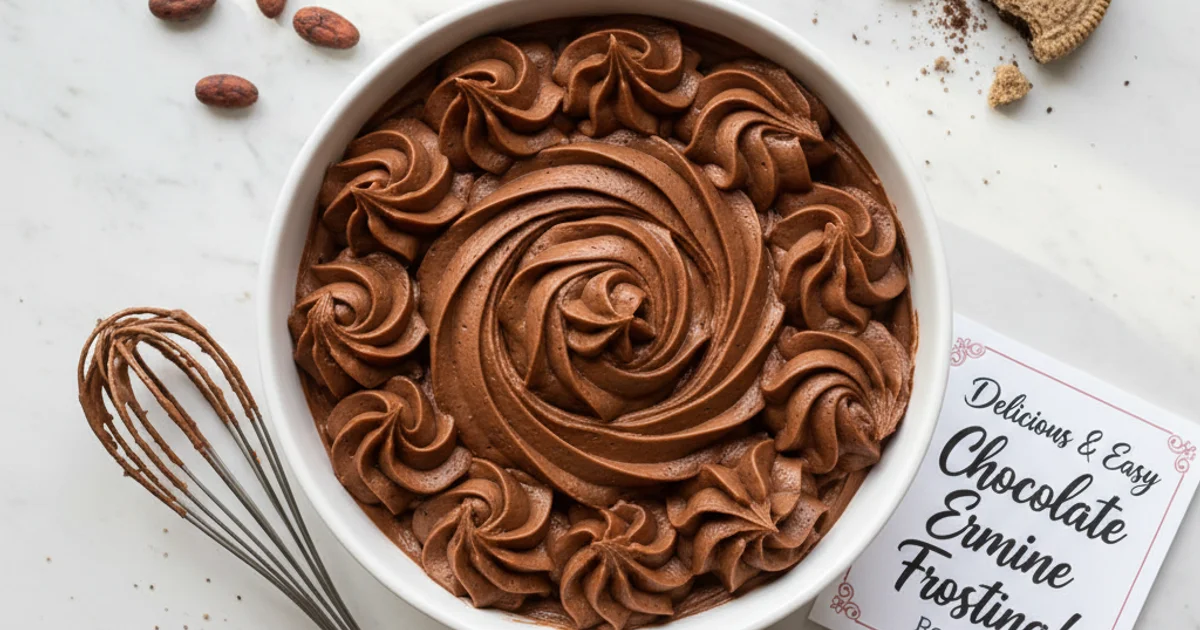
The secret is the rich, deep chocolate flavor that comes through without being overly sweet. I always use a high-quality unsweetened cocoa powder to achieve that robust, authentic chocolate experience. It pairs beautifully with a wide range of desserts, from vanilla cupcakes to dense chocolate cakes. You’ll notice that this topping isn’t just about looks; it delivers on taste every single time. Beyond its flavor, this chocolate ermine frosting is remarkably stable and easy to work with. It holds its shape beautifully for intricate piping and decorating, yet remains wonderfully spreadable. This makes it a dream for both novice and experienced bakers alike.
Ingredients Overview: Crafting Your Gluten-Free Chocolate Ermine Frosting
In my kitchen, selecting the right ingredients is paramount for any successful recipe. Building on this, for this recipe, each component plays a specific role in achieving that wonderfully smooth, rich texture and deep chocolate flavor. When considering if frosting is gluten free, the ingredients list becomes your primary guide.
-
Milk (or Dairy-Free Alternative): This liquid forms the foundation of our roux. I always opt for whole milk for its inherent richness, which translates into a more luxurious frosting. However, for those needing a truly gluten and dairy free frosting, unsweetened almond, soy, or oat milk work beautifully. Just ensure your chosen dairy-free milk is plain and unsweetened to avoid altering the final taste. The key difference is the fat content; whole milk yields a slightly creamier result.
-
Granulated Sugar: Beyond just sweetness, sugar contributes to the frosting’s overall structure and silkiness. We’re looking for a balanced sweetness that doesn’t overpower the chocolate. Too little, and the flavors fall flat; too much, and it becomes cloying. This recipe strikes that perfect balance.
-
Cornstarch: Here’s the thing, this is our crucial gluten-free thickener. Traditional ermine frosting often uses wheat flour, but cornstarch flawlessly replaces it, ensuring this recipe remains safe for those avoiding gluten. It creates the necessary roux, providing that stable, velvety base for the frosting. What I discovered is that cornstarch delivers an exceptionally smooth consistency without any gritty texture.
-
Unsweetened Cocoa Powder: For that deep, intense chocolate flavor, high-quality unsweetened cocoa powder is non-negotiable. I always reach for Dutch-processed cocoa; it offers a darker color and a less acidic, richer chocolate profile. This choice significantly impacts the final taste and appearance of your chocolate ermine frosting.
-
Salt: A tiny pinch of salt acts as a flavor enhancer. It brightens the chocolate notes and prevents the frosting from tasting one-dimensional. Trust me on this one, it truly makes a difference.
-
Unsalted Butter (or Dairy-Free Margarine/Shortening): This ingredient provides richness, stability, and that desirable creamy mouthfeel. It’s essential for the butter to be at room temperature for proper emulsification. For a gluten and dairy free frosting, opt for high-quality plant-based butter alternatives or a solid vegetable shortening. Here’s what actually works: choose a brand that mimics butter’s texture well.
-
Vanilla Extract (or other flavorings): Is vanilla flavoring gluten free? Generally, yes, pure vanilla extract is naturally gluten-free. However, it’s always wise to check labels, especially for imitation vanilla or those with added ingredients. Pure vanilla extract rounds out the flavors, adding warmth and depth to the chocolate. You’ll notice that it elevates the overall profile of this treat.
Essential Equipment You’ll Need for Perfect Gluten-Free Icing
In my kitchen, having the right tools makes all the difference for a smooth cooking experience. For this chocolate ermine frosting, a few key pieces of equipment are non-negotiable. You’ll definitely want a medium saucepan for cooking the base mixture. This pan needs to be heavy-bottomed to prevent scorching, which is crucial when you’re working with sugar and milk.
A good whisk is your best friend here. It helps prevent lumps in your roux, ensuring that silky smooth texture we’re aiming for. Trust me on this one; a lumpy base means lumpy frosting, and nobody wants that. After cooking, a heat-proof bowl is essential for cooling the mixture. I always transfer it immediately to stop the cooking process. Then, plastic wrap becomes vital; you’ll press it directly onto the surface of the mixture to prevent a skin from forming. This step is often overlooked but truly impacts the final consistency of your gluten and dairy free frosting.
Here’s the thing: a stand mixer with a paddle attachment is ideal for whipping the butter and incorporating the cooled roux. The consistent power of a stand mixer creates much better aeration and a lighter frosting than a handheld mixer, though a handheld electric mixer will certainly work in a pinch. A rubber spatula is also indispensable for scraping down the sides of the bowl, ensuring all ingredients are fully incorporated. Finally, accurate measuring cups and spoons are paramount. Baking is a science, and precision leads to perfection. For those who want extra accuracy, a kitchen scale for ingredients like butter can elevate your results even further, ensuring your chocolate ermine frosting is consistently perfect every time.
Step-by-Step Instructions: Mastering Your Gluten-Free Chocolate Ermine Frosting
Here are the first three steps for your “Delicious & Easy Gluten-Free Chocolate Ermine Frosting Recipe!”:
-
Prepare the Roux Base. In a medium saucepan, whisk together the milk, granulated sugar, cornstarch, unsweetened cocoa powder, and a pinch of salt until thoroughly combined and smooth. Place the saucepan over medium heat and cook, stirring constantly with a whisk, until the mixture thickens significantly, reaching a consistency similar to pudding. Constant stirring is crucial during this stage to prevent lumps from forming and to ensure even cooking.
-
Cool the Roux. Once the roux base has thickened, immediately transfer it from the saucepan to a clean, heat-proof bowl. To prevent a skin from forming on the surface, press a piece of plastic wrap directly onto the entire surface of the warm mixture. Allow the roux to cool completely to room temperature; this critical step ensures the proper texture of your finished frosting.
-
Cream the Butter. While the roux is cooling, place your room-temperature unsalted butter (or your chosen dairy-free alternative) into the bowl of a stand mixer fitted with the paddle attachment. Beat the butter on medium-high speed for several minutes, until it becomes noticeably light in color and fluffy in texture.
-
Incorporate the Roux. With your mixer on low speed, gradually add the cooled roux to the creamed butter, one spoonful at a time, beating thoroughly after each addition until it is fully combined. This slow and steady incorporation is crucial to prevent the frosting from curdling and ensure a smooth, cohesive texture.
-
Add Flavoring. Once the roux is fully incorporated, beat in the vanilla extract until it is smooth and well combined throughout the mixture.
-
Whip to Perfection. Increase the mixer speed to medium-high and continue beating for several minutes until the frosting transforms into a light, fluffy, and significantly increased in volume consistency. Remember to scrape down the sides of the bowl as needed to ensure everything is evenly incorporated.
-
Troubleshooting Note: If your frosting appears curdled or soupy, don’t despair! Continue beating on medium-high speed; often, the emulsion will come together with extended mixing. If it remains too thin, briefly chill the frosting in the refrigerator for 10-15 minutes, then re-beat until it reaches a fluffy, spreadable consistency.
Pro Tips & Tricks for the Best Gluten-Free Icing Results
Here’s what actually works when making this frosting: temperature control is paramount. I always ensure my butter is genuinely at room temperature, soft enough to indent but not melted. Building on this, the roux, that cooked flour and milk mixture, needs to be completely cool before it meets the butter. A common mistake is to rush this step, leading to a soupy mess instead of a fluffy topping. Warm roux will instantly melt your butter, causing the entire mixture to break.
The secret is in the mixing. Once your roux is cool and your butter is softened, beat the butter thoroughly by itself for several minutes until it’s light and pale. Then, gradually add the cooled roux, continuing to beat. You’ll notice that this process takes time; don’t skimp on the whipping. Trust me on this one, sufficient whipping time is crucial for achieving that signature light and airy texture of a good chocolate ermine frosting. I often set a timer for 5-7 minutes of beating after all ingredients are combined.
What I discovered over years of baking is the importance of scraping down your bowl frequently. Ingredients can stick to the sides and bottom, leading to an unevenly mixed frosting. Stop your mixer every couple of minutes and use a spatula to bring everything back into the center. For the best flavor, always opt for high-quality ingredients, like a rich cocoa powder and pure vanilla extract. This makes a noticeable difference in the final taste of your treat.
In practice, even experienced bakers face challenges. If your frosting looks curdled, don’t panic; it’s usually salvageable. Often, it just needs more beating time. If it feels too warm, pop the bowl into the refrigerator for 10-15 minutes, then re-beat vigorously. The key difference is that chilling can help the butter firm up slightly, allowing it to emulsify properly. For an even deeper chocolate flavor without making it taste like coffee, consider adding a teaspoon of instant espresso powder dissolved in a tiny bit of hot water to the roux as it cools. This subtle addition truly enhances the cocoa notes. For more troubleshooting tips on various frosting types, this article on Serious Eats offers excellent advice.
Enjoyed this recipe? Share it with a friend or save it to your board for later. Leave a comment below — I love hearing how it turned out!
You May Also Enjoy





You Might Also Love These 🍽️
Recipes picked just for you based on what you’re cooking