Best Ever Gluten-Free Salad Dressing, Made Easy!
Delicious gluten-free recipe.
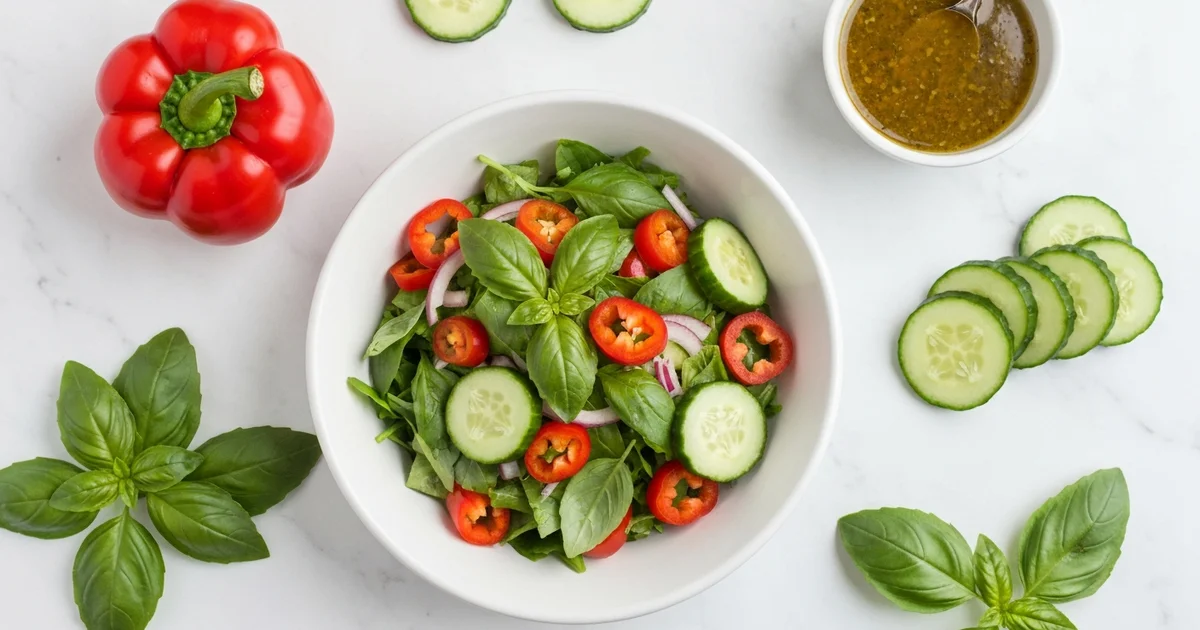
- 1Introduction: Mastering Delicious Gluten Free Salad Dressing at Home
- 2Why You’ll Love This Homemade Gluten Free Dressing Recipe
- 3Ingredients Overview: Crafting Your Perfect Gluten-Free Salad Dressing Base
- 4Essential Equipment for Effortless Gluten-Free Dressing
- 5Step-by-Step Instructions: Whipping Up Your Perfect Gluten-Free Dressing
- 6Pro Tips & Tricks for the Best Gluten-Free Salad Dressings
Ingredients
Ingredients
- Red Wine Vinegar — Offers a classic, robust flavor.
- Apple Cider Vinegar — Delivers a slightly fruitier, milder zest.
- Balsamic Vinegar — Adds a touch of sweetness and depth; check labels if you are extremely sensitive.
- Maple Syrup — Provides an earthy, caramelized note.
- Honey — Offers a delicate floral sweetness.
Instructions
Instructions
**Gather Ingredients & Prep** First, ensure your workspace is clean and organized. This proactive step makes the entire process more enjoyable. Mince your **garlic** very finely to prevent any large, overwhelming pieces. Finely minced garlic ensures even flavor distribution throughout the dressing. Measure out all your liquid ingredients precisely into separate small bowls. Have your measured **salt** and **freshly ground black pepper** ready to go. This organized approach minimizes any mid-recipe scrambling.
Instructions
**Combine Acid & Flavor Base** Next, grab your chosen mixing vessel, either a bowl or a Mason jar. Add the **red wine vinegar** (or **apple cider vinegar**) to the container. Stir in the **Dijon mustard**, which is crucial for emulsification. Incorporate your chosen natural sweetener, like **honey** or **maple syrup**. Now, add the minced **garlic**, a pinch of **salt**, and a generous grind of **black pepper**. Whisk these initial components together vigorously until they are thoroughly combined and smooth. This step builds the vibrant, tangy foundation of your topping.
Instructions
**Gradually Emulsify with Oil** The trick to a beautifully smooth dressing is emulsification. Slowly begin to drizzle in the **extra virgin olive oil**. Maintain a continuous, vigorous whisking motion as you add the oil. If using a jar, secure the lid tightly and shake enthusiastically. The slow, steady addition of oil allows tiny droplets to disperse evenly. This creates a stable, creamy consistency that won't separate easily. Continue whisking or shaking for about 30 to 60 seconds. Learn more about the science of [emulsions in cooking](https://en.wikipedia.org/wiki/Emulsion#In_cooking).
Instructions
**Taste and Adjust** What I discovered over years of cooking is that personal taste is everything. This step ensures your dressing perfectly matches your palate. Dip a clean spoon into your freshly made dressing and taste it critically. Does it need a brighter tang from more **vinegar**? Perhaps a little more sweetness to balance the acidity? Adjust the **salt** and **pepper** until the flavor profile truly sings. This is your chance to make this truly your own bespoke creation.
Instructions
**Rest (Optional but Recommended)** Finally, once you’ve achieved your desired flavor, transfer the dressing to a clean jar. Cover the jar tightly with its lid. While optional, I always recommend letting the dressing rest for 10 to 15 minutes. This resting period allows all the individual flavors to meld and deepen. You'll notice that the garlic mellows slightly during this time. The overall taste becomes more harmonious and complex.
Equipment You'll Need
Here's what I use to make this recipe perfectly every time:
- Measuring cups and spoons — Accuracy is key for balanced flavors. They ensure your proportions are just right. This consistency makes all the difference. → Buy Now
Best Ever Gluten-Free Salad Dressing, Made Easy!
Delicious gluten-free recipe.
Prep Time
15 min
Cook Time
25 min
Total Time
40 min
Ingredients
- Red Wine Vinegar — Offers a classic, robust flavor.
- Apple Cider Vinegar — Delivers a slightly fruitier, milder zest.
- Balsamic Vinegar — Adds a touch of sweetness and depth; check labels if you are extremely sensitive.
- Maple Syrup — Provides an earthy, caramelized note.
- Honey — Offers a delicate floral sweetness.
Introduction: Mastering Delicious Gluten Free Salad Dressing at Home
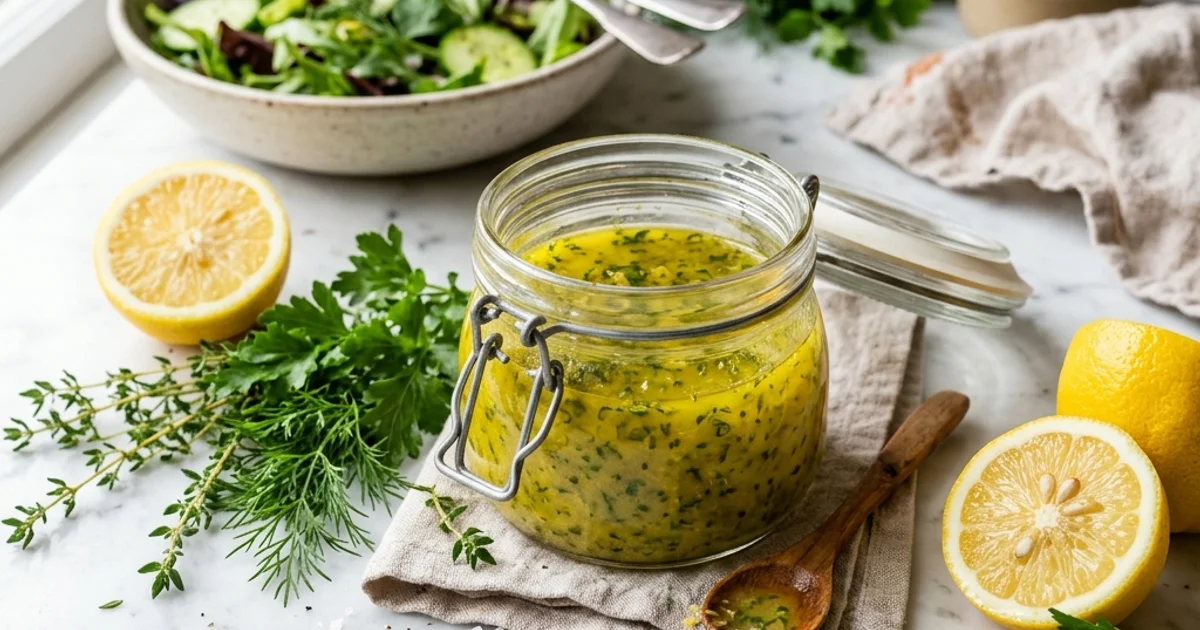
Navigating grocery store aisles can feel like a daunting task. Finding truly safe and flavorful options often presents a persistent challenge. Many store-bought dressings unexpectedly contain hidden gluten. Even products labeled ‘gluten-free’ can sometimes pose risks. The concern of cross-contamination is always present, making selecting a reliable gluten free salad dressing incredibly frustrating.
Here’s the thing: making your own dressings changes everything. It puts you in complete control of every ingredient choice. This ensures your salads are always safe and bursting with flavor. I always prioritize freshness and quality in my kitchen. When you craft dressings at home, you select the best oils and vinegars. This leads to a noticeably brighter, more vibrant taste profile.
Customizing the tang or sweetness to your palate is a true joy. Homemade options also prove to be remarkably cost-effective over time. You’ll save money without sacrificing any flavor. Many beloved dressing types are surprisingly simple to recreate. This particular recipe for a classic vinaigrette is a perfect starting point. It offers a universally appealing flavor for any salad.
Why You’ll Love This Homemade Gluten Free Dressing Recipe
Building on this, you’ll find countless reasons to keep this recipe in your weekly rotation. In my kitchen, this simple gluten free salad dressing truly shines for its effortless preparation. It requires minimal effort, making it ideal for even the busiest weeknights. You can have it ready from start to finish in under five minutes.
What I love about this is its commitment to wholesome, real ingredients. You’ll find every item already in your pantry. We avoid all artificial additives and preservatives found in many commercial options. Only familiar, high-quality components make it into your bowl. This ensures a clean and pure dressing every time.
The trick is how infinitely customizable this particular vinaigrette base truly is. This recipe acts as a perfect canvas for your culinary imagination. You can easily adapt it to countless flavor profiles. Add fresh herbs like chives or basil for a garden-fresh twist. A pinch of red pepper flakes brings a subtle heat.
You’ll notice that the superior flavor and freshness are immediately apparent. This homemade concoction tastes significantly better than most store-bought alternatives. Its bright, vibrant notes truly elevate any humble green salad. Many mass-produced wheat free salad dressings often lack this essential zest. The difference in taste is genuinely remarkable.
Finally, consider the budget-friendly aspect of making your own. Continually purchasing specialty bottles adds up quickly over time. Your pantry staples, however, cost only a fraction of that expense. This recipe provides gourmet quality without the premium price tag. You save money while enjoying premium flavor.
Ingredients Overview: Crafting Your Perfect Gluten-Free Salad Dressing Base
What I discovered in my years of crafting homemade dressings is that the secret to a superior gluten free salad dressing lies in understanding each ingredient. Every component plays a vital role. Choosing high-quality items is truly paramount for exceptional flavor.
Extra Virgin Olive Oil forms the nourishing backbone of this recipe. It contributes a rich, fruity flavor and a silky texture to the dressing. I always opt for a first cold-pressed variety for its superior taste and healthy fats. For a milder profile, avocado oil makes an excellent alternative.
The essential tang comes from vinegar. It provides the crucial acidic component, brightening all the other flavors. Fortunately, most vinegars are naturally gluten free.
Here are some of my preferred choices:
- Red Wine Vinegar: Offers a classic, robust flavor.
- Apple Cider Vinegar: Delivers a slightly fruitier, milder zest.
- Balsamic Vinegar: Adds a touch of sweetness and depth; check labels if you are extremely sensitive.
Dijon Mustard is more than just a flavor enhancer here. It acts as a powerful emulsifier, helping the oil and vinegar combine beautifully. This prevents separation, ensuring a smooth, cohesive topping. Trust me on this one: choosing a certified gluten free Dijon mustard is non-negotiable, as some brands may contain hidden wheat derivatives or suffer from cross-contamination.
Balancing the vibrant acidity is a natural sweetener. It smooths out the sharp edges of the vinegar, creating a harmonious blend. You’ll notice that a little goes a long way.
My go-to sweeteners are:
- Maple Syrup: Provides an earthy, caramelized note.
- Honey: Offers a delicate floral sweetness.
Fresh garlic introduces an aromatic depth that cannot be replicated by garlic powder. I always finely mince a clove or two to ensure its pungent essence infuses throughout the mixture. This fresh component adds considerable character to the overall profile of the dressing.
Finally, salt and freshly ground black pepper are the finishing touches. They awaken and amplify all the other flavors. I always start with a small amount and taste as I go. This allows for perfect seasoning adjustments. These core ingredients inherently make many wheat free salad dressings possible, providing a naturally safe option for your salad.
Essential Equipment for Effortless Gluten-Free Dressing
You don’t need a professional chef’s kitchen to whip up something truly special. In my kitchen, simple, well-chosen tools make all the difference for any homemade recipe. Building on this, these essential items ensure your topping comes out perfectly every time.
For combining ingredients, a medium mixing bowl is your go-to. It gives you ample space to work your magic. Paired with a sturdy whisk, you’ll achieve that beautiful emulsification.
- Measuring cups and spoons: Accuracy is key for balanced flavors. They ensure your proportions are just right. This consistency makes all the difference.
What I love about this next item is its incredible versatility. A jar with a tight-fitting lid, such as a Mason jar, is truly practical. You can vigorously shake it to perfectly combine ingredients. It’s also ideal for storing the dressing securely in your fridge. Furthermore, it allows for easy re-emulsification later. A quick shake restores its silky texture.
For those who appreciate speed, a garlic press is a handy little gadget. It minces garlic quickly and without any fuss. This saves you precious prep time in the kitchen.
If you prefer an ultra-smooth finish, consider a blender or immersion blender. It can create a creamier consistency for your wheat free salad dressings. This is particularly great for thicker, more decadent variations.
Having these pieces of equipment ready truly simplifies your culinary journey. You will effortlessly craft a perfectly blended, smooth, and vibrant dressing. This ensures every bite of your salad is pure enjoyment.
Step-by-Step Instructions: Whipping Up Your Perfect Gluten-Free Dressing
In practice, creating your own homemade gluten free dressing is remarkably straightforward. My kitchen always buzzes with simple, fresh preparations like this one. You’ll achieve restaurant-quality results with just a few mindful steps. This recipe is perfect for those seeking a truly gluten-free option.
-
Gather Ingredients & Prep First, ensure your workspace is clean and organized. This proactive step makes the entire process more enjoyable. Mince your garlic very finely to prevent any large, overwhelming pieces. Finely minced garlic ensures even flavor distribution throughout the dressing. Measure out all your liquid ingredients precisely into separate small bowls. Have your measured salt and freshly ground black pepper ready to go. This organized approach minimizes any mid-recipe scrambling.
-
Combine Acid & Flavor Base Next, grab your chosen mixing vessel, either a bowl or a Mason jar. Add the red wine vinegar (or apple cider vinegar) to the container. Stir in the Dijon mustard, which is crucial for emulsification. Incorporate your chosen natural sweetener, like honey or maple syrup. Now, add the minced garlic, a pinch of salt, and a generous grind of black pepper. Whisk these initial components together vigorously until they are thoroughly combined and smooth. This step builds the vibrant, tangy foundation of your topping.
-
Gradually Emulsify with Oil The trick to a beautifully smooth dressing is emulsification. Slowly begin to drizzle in the extra virgin olive oil. Maintain a continuous, vigorous whisking motion as you add the oil. If using a jar, secure the lid tightly and shake enthusiastically. The slow, steady addition of oil allows tiny droplets to disperse evenly. This creates a stable, creamy consistency that won’t separate easily. Continue whisking or shaking for about 30 to 60 seconds. Learn more about the science of emulsions in cooking.
-
Taste and Adjust What I discovered over years of cooking is that personal taste is everything. This step ensures your dressing perfectly matches your palate. Dip a clean spoon into your freshly made dressing and taste it critically. Does it need a brighter tang from more vinegar? Perhaps a little more sweetness to balance the acidity? Adjust the salt and pepper until the flavor profile truly sings. This is your chance to make this truly your own bespoke creation.
-
Rest (Optional but Recommended) Finally, once you’ve achieved your desired flavor, transfer the dressing to a clean jar. Cover the jar tightly with its lid. While optional, I always recommend letting the dressing rest for 10 to 15 minutes. This resting period allows all the individual flavors to meld and deepen. You’ll notice that the garlic mellows slightly during this time. The overall taste becomes more harmonious and complex.
Pro Tips & Tricks for the Best Gluten-Free Salad Dressings
Here’s what actually works when you want your homemade dressing to truly shine. The foundation of any exceptional gluten free salad dressing begins with top-tier ingredients. I always choose a high-quality extra virgin olive oil for its nuanced, peppery notes.
Building on this, fresh acids like lemon juice or artisan vinegars make a huge difference. Avoid anything pre-bottled or heavily processed. Your palate will truly thank you for this commitment to quality.
Achieving that perfect, creamy texture is often a concern for home cooks. The trick is understanding how oil and vinegar interact. Oil and water-based ingredients naturally separate due to differing densities.
Here’s how to ensure a stable, silky emulsion for your homemade wheat free salad dressings:
- Slow and Steady Oil Drizzle: Gradually pour the oil in a thin stream. Do this while continuously whisking or blending vigorously. This process breaks the oil into tiny droplets.
- Constant Agitation: Keep whisking energetically for several minutes. This helps suspend the oil droplets evenly. This creates a cohesive mixture.
- Emulsifying Agents: Incorporate a small amount of an emulsifier. I often rely on a teaspoon of Dijon mustard or even a little honey. For a deeper dive into the science, read about How to Make an Emulsion.
Trust me on this one; the tiny particles in mustard act as a bridge. They prevent your dressing from splitting. This method creates a beautiful, stable sauce, akin to a classic gluten free Caesar dressing.
Balancing the sweet, sour, salty, and savory elements is an art. It transforms your dressing from good to truly memorable. Think of it as composing a symphony for your taste buds.
A common mistake is forgetting to adjust seasonings as you go. Start with a pinch of salt and pepper. Gradually add more until it sings.
- To elevate flavors, consider these additions:
- A touch of honey or maple syrup for sweetness.
- A splash more red wine vinegar for brightness.
- Finely minced garlic or fresh herbs for savory depth.
Consistency control is also vital for the perfect gluten free salad. A dressing that is too thick clings poorly. One that is too thin just slides right off.
If your dressing is too thick, simply whisk in a teaspoon of water. You can also add more vinegar or lemon juice. Go slowly, adding small amounts until it’s right.
Conversely, if it’s too thin, you can sometimes let it rest. This allows some components to thicken slightly. A tiny bit more mustard or a sprinkle of herbs can also help.
What I discovered years ago is the power of patience. Giving your dressing time to rest allows the flavors to truly meld. This process is often overlooked but provides huge benefits.
Ideally, let your dressing sit for 15-30 minutes before serving. This brief mingling time deepens the complexity. You’ll notice that the individual ingredients harmonize beautifully.
The secret is always, always to taste your creation before serving. Your palate is the ultimate judge. What tastes good to me might need a slight tweak for you.
Adjust the salt, acid, or sweetness as needed. This final check ensures that your homemade topping is absolutely perfect. It’s the difference between a good dish and an unforgettable one.
Enjoyed this recipe? Share it with a friend or save it to your board for later. Leave a comment below — I love hearing how it turned out!
You May Also Enjoy
You Might Also Love These 🍽️
Recipes picked just for you based on what you’re cooking