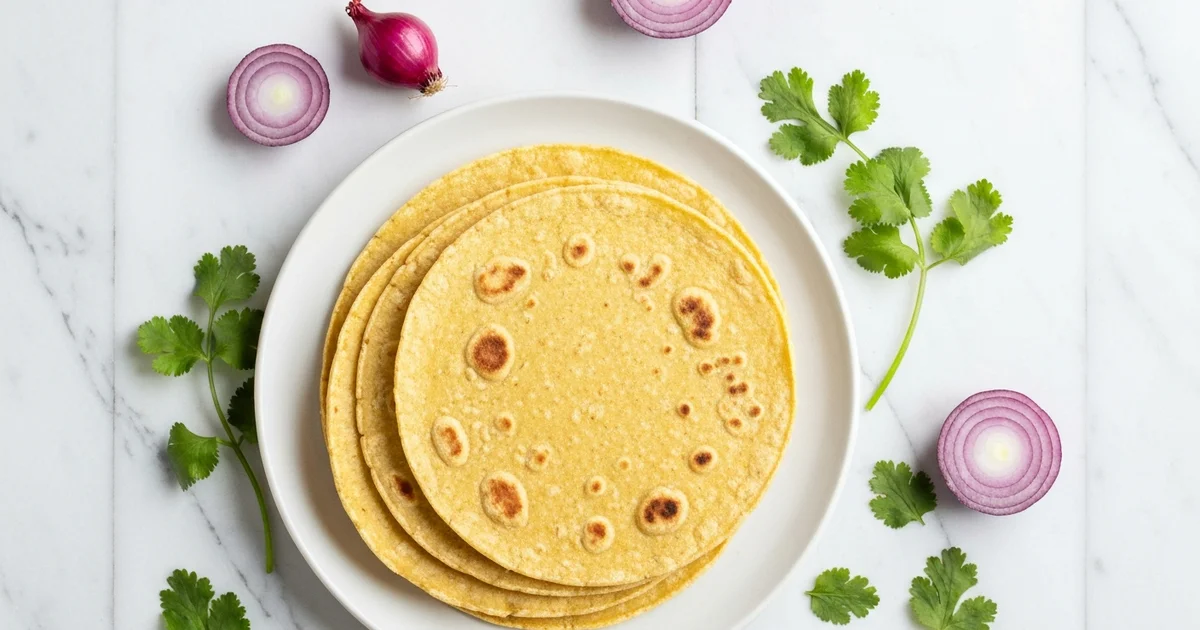
Perfect Almond Tortillas: Low-Carb & Easy!
Discover how to make delicious, pliable almond tortillas at home! This easy almond flour tortilla recipe is perfect for low-carb meals and gluten-free diets.
- 1Introduction: Why Almond Tortillas Are Your New Kitchen Staple
- 2Why You’ll Absolutely Love This Almond Flour Tortilla Recipe
- 3Essential Ingredients for Your Perfect Almond Tortillas
- 4Equipment You’ll Need for Homemade Almond Tortillas
- 5Step-by-Step Instructions: Crafting Your Perfect Almond Flour Tortillas
- 6Pro Tips & Tricks for Flawless Almond Tortillas
Ingredients
Dry Ingredients
- 2 cups super-fine blanched almond flour
- 2 tablespoons psyllium husk powder
- 1 teaspoon baking powder
- 1/2 teaspoon salt
- 1/2 teaspoon xanthan gum (optional, but recommended)
Wet Ingredients
- 1 cup warm water (approx. 100-110°F)
- 2 tablespoons olive oil (or avocado oil)
Instructions
Instructions
Combine dry ingredients in a large bowl.
Instructions
Add warm water and olive oil; mix until a shaggy dough forms.
Instructions
Gently knead dough for 1-2 minutes, then let rest for 5-10 minutes.
Instructions
Divide dough into 8 equal portions.
Instructions
Roll each portion thinly between two pieces of parchment paper.
Instructions
Cook each tortilla in a non-stick skillet over medium heat for 1-2 minutes per side.
Instructions
Stack cooked tortillas under a clean kitchen towel to keep warm and soft.
Recipe FAQs
Why are my almond tortillas falling apart or crumbly?
Can I make these almond flour tortillas without psyllium husk?
How do I prevent my almond tortillas from drying out after cooking?
Are these almond tortillas truly low-carb and keto-friendly?
Can I use almond meal instead of super-fine blanched almond flour?
What's the best way to roll out almond flour tortilla dough thinly?
Perfect Almond Tortillas: Low-Carb & Easy!
Discover how to make delicious, pliable almond tortillas at home! This easy almond flour tortilla recipe is perfect for low-carb meals and gluten-free diets.
Prep Time
15 min
Cook Time
15 min
Total Time
30 min
Dry Ingredients
- 2 cups super-fine blanched almond flour
- 2 tablespoons psyllium husk powder
- 1 teaspoon baking powder
- 1/2 teaspoon salt
- 1/2 teaspoon xanthan gum (optional, but recommended)
Wet Ingredients
- 1 cup warm water (approx. 100-110°F)
- 2 tablespoons olive oil (or avocado oil)
Introduction: Why Almond Tortillas Are Your New Kitchen Staple
Are you navigating the world of gluten-free or low-carb eating but missing the simple joy of a versatile wrap? Many home cooks find themselves limited by traditional wheat-based options, which can be high in carbohydrates and contain gluten. This often means sacrificing beloved meals like tacos, quesadillas, or even a simple sandwich wrap. What I discovered is that there’s a truly satisfying solution that doesn’t compromise on flavor or texture.
This recipe for homemade almond tortillas is a game-changer for anyone seeking a healthier alternative. They are naturally gluten-free, low in carbohydrates, and perfectly suited for a ketogenic lifestyle. The rise in popularity of almond flour in baking and cooking has opened up a world of possibilities, and these flexible, sturdy wraps are a testament to its versatility. You’ll find that these wraps are not just a substitute; they stand on their own as a delicious component of countless meals. Building on this, the process is surprisingly straightforward, transforming a few simple ingredients into something truly special. Get ready to embrace a new staple in your low-carb kitchen.
Why You’ll Absolutely Love This Almond Flour Tortilla Recipe
Here’s the thing: many gluten-free alternatives disappoint, often sacrificing texture or flavor. This almond flour tortilla recipe stands apart. You’ll discover these wraps are incredibly pliable, bending without cracking, which is a common issue with other low-carb options. I always prioritize recipes that deliver on both taste and functionality, and this one truly excels.
What I love about this particular recipe is its sheer simplicity and speed. You’re looking at minimal ingredients, most of which you likely already have in your pantry. From start to finish, you can have a stack of warm, fresh wraps ready in under 30 minutes. This makes them ideal for busy weeknights or impromptu meal prep. In my kitchen, efficiency is key, and this recipe consistently delivers.
The versatility of this dish is another major draw. While fantastic for classic tacos, these wraps elevate everything from breakfast burritos to savory quesadillas. I’ve even used them as a thin, crispy base for individual low-carb pizzas, and they hold up beautifully. Their neutral flavor profile means they won’t compete with your fillings, allowing your chosen ingredients to shine. This adaptability makes them a true staple.
Building on this, the health benefits are significant. Made primarily from almond flour, these wraps are naturally gluten-free and packed with healthy fats and protein. They offer a much lower net carb count compared to traditional flour tortillas, making them a smart choice for those following ketogenic or low-carb diets. You’ll feel satisfied without the heavy, bloated feeling often associated with grain-based alternatives. This recipe truly nourishes your body while delighting your taste buds.
Essential Ingredients for Your Perfect Almond Tortillas
Here’s the thing: while the concept of this recipe is straightforward, understanding the role of each ingredient is paramount for success. I always emphasize ingredient quality in my kitchen, especially when working with gluten-free flours. This recipe relies on a precise balance to achieve that ideal soft yet sturdy texture.
-
Super-Fine Blanched Almond Flour: This is not just any almond flour. The “super-fine” designation means it’s ground to a very fine consistency, essential for a smooth, non-gritty tortilla. “Blanched” means the skins have been removed before grinding, which results in a lighter color and more neutral flavor. Almond meal, on the other hand, is coarser and often made from unblanched almonds, leading to a denser, more crumbly texture unsuitable for thin wraps. Using super-fine blanched almond flour is critical for achieving pliable, tear-resistant wraps. It provides the bulk of our dough, offering a low-carb alternative to traditional wheat flour.
-
Psyllium Husk Powder: This ingredient is a true MVP in gluten-free baking. It acts as a powerful binder, mimicking the elasticity that gluten provides in wheat-based products. Without it, your tortillas would likely be brittle and fall apart. Psyllium husk powder absorbs a significant amount of liquid, creating a gel-like substance that helps hold the dough together and makes it wonderfully pliable. Worth noting here: there’s a difference between whole psyllium husks and psyllium husk powder. Always opt for the powder for this recipe; whole husks would result in a noticeably different texture and require more liquid.
-
Baking Powder: A small but mighty leavening agent, baking powder contributes to a slightly lighter, less dense tortilla. It helps create tiny air pockets within the dough, preventing a heavy, brick-like consistency. While it won’t make your tortillas puff up like balloons, it subtly improves the overall texture and mouthfeel.
-
Salt: Beyond just seasoning, salt plays a crucial role in enhancing the overall flavor profile. It balances the inherent sweetness of the almond flour, ensuring a well-rounded taste that complements various fillings. Don’t skip it; a pinch makes a big difference.
-
Xanthan Gum (Optional but Recommended): Building on this, xanthan gum is another binder often used in gluten-free baking. It works synergistically with psyllium husk powder to further improve elasticity and prevent crumbling. I find it particularly helpful if you’re aiming for very thin, flexible tortillas. If you’re new to gluten-free baking or prefer a slightly thicker wrap, you might omit it, but for optimal pliability, I highly recommend including it.
-
Warm Water: The temperature of the water is important here. Warm water helps activate the psyllium husk powder more effectively, allowing it to swell and create that essential gel-like binder. It also helps bring the dry ingredients together into a cohesive, workable dough much faster than cold water would.
-
Olive Oil (or Avocado Oil): A touch of oil adds much-needed moisture and richness to the dough. It also contributes to the tortillas’ pliability and prevents them from drying out too quickly during cooking. Avocado oil is a great neutral-flavored alternative if you prefer, but extra virgin olive oil imparts a subtle, pleasant note. These carefully chosen ingredients work in harmony to create a truly exceptional gluten-free wrap.
Equipment You’ll Need for Homemade Almond Tortillas
In my kitchen, having the right tools makes all the difference, especially with gluten-free baking. You don’t need a professional setup, but a few key pieces of equipment will streamline your process for these fantastic wraps. What I discovered is that while some tools are non-negotiable, others simply make the journey smoother.
A large mixing bowl is essential for combining your ingredients without making a mess. I always opt for one that gives me plenty of room to stir comfortably. Measuring cups and spoons are critical; accuracy is paramount in gluten-free recipes where ingredient ratios can significantly impact texture. Building on this, a kitchen scale is highly recommended for precise measurements of your almond flour tortilla ingredients. Grams are often more accurate than volume, especially for flours.
For rolling out the dough, a rolling pin is indispensable. If you don’t own one, a clean, heavy bottle or a flat-bottomed glass can work in a pinch. The trick is to ensure even pressure. Parchment paper or plastic wrap is crucial; these prevent the sticky dough from adhering to your work surface or the rolling pin. I typically place a small ball of dough between two sheets of parchment before rolling.
A tortilla press is optional but, trust me on this one, it’s a game-changer. It ensures uniform thickness and speeds up the shaping process considerably. When using a press, always line it with two pieces of parchment paper to prevent sticking. For cooking, a non-stick skillet or a well-seasoned cast iron pan is necessary. The key difference is the heat retention; cast iron provides a more even cook. You’ll need a spatula for flipping the cooking wraps. Finally, a wire rack is useful for cooling them, preventing sogginess. You’ll notice that allowing them to cool slightly on a rack helps them set.
Step-by-Step Instructions: Crafting Your Perfect Almond Flour Tortillas
Here are the first three steps for your “Homemade Almond Tortillas” recipe:
-
Combine Dry Ingredients: In a large mixing bowl, whisk together the almond flour, psyllium husk powder, baking powder, and salt. If you are using xanthan gum, add it to this mixture and whisk well to ensure all dry ingredients are thoroughly combined.
-
Add Wet Ingredients: Pour the warm water and oil into the bowl with the dry ingredients. Stir everything together with a spoon or spatula until a shaggy, somewhat crumbly dough begins to form.
-
Knead & Rest: Gently knead the dough within the bowl for 1 to 2 minutes, just enough to bring it together into a more cohesive mass. Once kneaded, cover the bowl and let the dough rest for 5 to 10 minutes, allowing the psyllium husk to fully absorb the liquid and thicken the dough.
-
Divide the Dough: Gently remove the prepared dough from the bowl and place it on a lightly floured surface. Divide the dough into equal portions, aiming for 6 to 8 balls of similar size, which will result in consistent tortilla thickness.
-
Roll Out the Tortillas: Take one dough ball and flatten it slightly. Place it between two sheets of parchment paper to prevent sticking. Using a rolling pin, roll the dough out evenly until it is approximately 1/16-inch thick, or use a tortilla press for a quicker and more uniform result.
-
Cut (Optional): For perfectly round tortillas, use a round cookie cutter or the rim of a small bowl to trim any uneven edges from your rolled-out dough. This step is optional but enhances the aesthetic appeal of your tortillas.
-
Cook the tortillas: Heat a non-stick skillet over medium heat. Place one tortilla in the hot skillet and cook for 1 to 2 minutes per side, or until it is lightly golden brown and begins to puff up.
-
Keep them warm: As each tortilla finishes cooking, transfer it to a plate and immediately cover it with a clean kitchen towel to keep it soft and warm while you cook the remaining tortillas.
Pro Tips & Tricks for Flawless Almond Tortillas
Here’s the thing: achieving that perfect pliable texture with almond tortillas takes a little finesse. I always emphasize the rest time for your dough. This isn’t just a suggestion; it’s crucial for allowing the psyllium husk to fully hydrate, which is what gives these wraps their elasticity and prevents them from crumbling.
Building on this, when you’re ready to roll, remember to roll thinly and evenly. A common mistake is leaving the dough too thick, resulting in a dense, almost cracker-like texture. Thin is in here; it ensures your cooked tortillas are pliable enough for folding without cracking. I always use two sheets of parchment paper for rolling; it prevents sticking and makes transferring the delicate dough a breeze. What I discovered is that a smooth, even surface directly translates to a better final product.
The secret is to not overcook these delicate wraps. Unlike traditional flour tortillas, these don’t need to develop significant browning. You’re looking for light golden spots and a slight puffing in the center. Overcooking is the quickest way to end up with stiff, brittle tortillas that resist folding. In my kitchen, I usually aim for about 60-90 seconds per side on a medium-hot griddle.
Worth noting here, always keep your dough covered while you’re working. Whether it’s the main ball of dough or the individual portions you’ve rolled, exposure to air can dry them out quickly, making them difficult to work with. A damp kitchen towel works perfectly for this. Trust me on this one, dry dough equals cracked tortillas.
You’ll notice that almond flour absorption can vary slightly between brands. If your dough feels too dry and crumbly, add a tiny splash of water, no more than a teaspoon at a time, until it comes together. Conversely, if it’s a bit too sticky to handle, a small sprinkle of extra almond flour can help. It’s all about finding that sweet spot for a manageable, pliable dough. For those using a tortilla press, ensure you’re still using parchment paper on both sides. This not only prevents sticking but also helps distribute the pressure evenly for a uniform thickness. For more insights on general tortilla pressing techniques, you can check out this guide on using a tortilla press.
Once cooked, stack and cover your tortillas immediately. I always place them directly into a clean kitchen towel or a tortilla warmer. This traps the steam, keeping them warm and, more importantly, soft and flexible. This simple step is crucial for maintaining that desirable texture for serving.
Enjoyed this recipe? Share it with a friend or save it to your board for later. Leave a comment below — I love hearing how it turned out!
You May Also Enjoy





You Might Also Love These 🍽️
Recipes picked just for you based on what you’re cooking