Edible Gluten-Free Cookie Dough: Your New Craving!
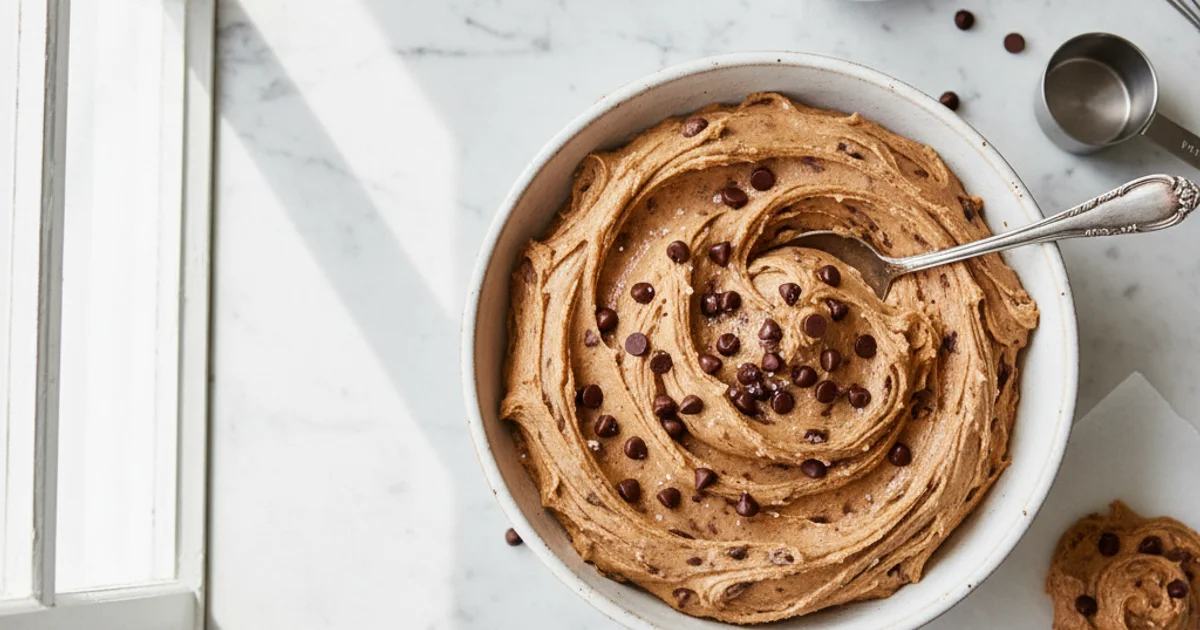
Craving safe-to-eat cookie dough? Our gluten free cookie dough recipe is edible, egg-free, and irresistibly delicious. Perfect for a quick treat!
- 1Indulge Safely: The Ultimate Gluten Free Cookie Dough Experience
- 2Why You’ll Love This Edible Gluten Free Cookie Dough Recipe
- 3Ingredients Overview: Crafting the Perfect Egg Free Cookie Dough
- 4Equipment You’ll Need for Easy Gluten Free Cookie Dough
- 5Step-by-Step Instructions: Making Your Edible Cookie Dough Recipe Without Flour Worries
- 6Instructions
- 7Pro Tips & Tricks for the Best Gluten Free Edible Cookie Dough
- 8Pro Tips & Tricks for the Best Gluten Free Edible Cookie Dough
Ingredients
For the Cookie Dough
- 1 cup (120g) gluten-free all-purpose flour blend (with xanthan gum)
- 1/2 cup (113g) unsalted butter, softened
- 1/4 cup (50g) granulated sugar
- 1/2 cup (100g) packed light brown sugar
- 1 teaspoon vanilla extract
- 2-3 tablespoons milk (dairy or non-dairy), as needed
- 1/4 teaspoon salt
- 1/2 cup (85g) chocolate chips (mini or regular)
Instructions
Instructions
Heat treat gluten-free flour (microwave or oven). Let cool completely.
Instructions
Cream softened butter, granulated sugar, and brown sugar until light and fluffy.
Instructions
Mix in vanilla extract and 2 tablespoons of milk.
Instructions
Gradually add cooled, heat-treated flour and salt; mix until just combined.
Instructions
If dough is too dry, add remaining milk 1 teaspoon at a time until desired consistency.
Instructions
Fold in chocolate chips.
Instructions
Serve immediately or chill for a firmer texture.
Recipe FAQs
Is it really safe to eat this gluten free cookie dough raw?
Can I use any gluten-free flour blend for this recipe?
How do I heat-treat gluten-free flour?
Can I make this recipe vegan?
My cookie dough is too crumbly/too sticky. What went wrong?
How long does edible gluten free cookie dough last?
Edible Gluten-Free Cookie Dough: Your New Craving!
Craving safe-to-eat cookie dough? Our gluten free cookie dough recipe is edible, egg-free, and irresistibly delicious. Perfect for a quick treat!
Prep Time
15 min
Cook Time
5 min
Total Time
20 min
For the Cookie Dough
- 1 cup (120g) gluten-free all-purpose flour blend (with xanthan gum)
- 1/2 cup (113g) unsalted butter, softened
- 1/4 cup (50g) granulated sugar
- 1/2 cup (100g) packed light brown sugar
- 1 teaspoon vanilla extract
- 2-3 tablespoons milk (dairy or non-dairy), as needed
- 1/4 teaspoon salt
- 1/2 cup (85g) chocolate chips (mini or regular)
Indulge Safely: The Ultimate Gluten Free Cookie Dough Experience
Here’s the thing: who hasn’t dreamed of eating an entire bowl of cookie dough without a single worry? That irresistible, sweet, and comforting texture calls to us all. For years, the joy of raw dough was tinged with caution, due to concerns about raw eggs and untreated flour. I remember countless times scraping the bowl, knowing I probably shouldn’t.
What I discovered is that those days of hesitant indulgence are over. This recipe offers the ultimate solution, allowing everyone to enjoy that beloved treat safely. It’s not just for those avoiding gluten; it’s for anyone who craves the pure, unadulterated pleasure of edible cookie dough. My kitchen has been transformed since I perfected this simple yet satisfying creation.
Building on this, you’ll find that this isn’t merely a gluten free cookie dough; it’s a revelation. It’s incredibly easy to prepare, coming together in minutes when that craving strikes. No more waiting for cookies to bake, no more internal debate about food safety. This treat delivers instant gratification and pure, unadulterated joy. It satisfies that deep-seated desire for something sweet and comforting, without any of the traditional risks. I always keep the ingredients on hand for spontaneous dessert moments. This dish brings so much happiness.
Why You’ll Love This Edible Gluten Free Cookie Dough Recipe
What I discovered in my years of baking is that the joy of cookie dough shouldn’t be reserved for just pre-baking spoonfuls. This particular recipe lets you indulge without a single worry. You see, traditional cookie dough carries risks due to raw eggs and untreated flour. My version eliminates both of those concerns entirely, making it a truly guilt-free pleasure.
Here’s the thing about this gluten free edible cookie dough: it’s engineered for pure enjoyment. I always heat-treat my flour, a simple step that neutralizes any potential bacteria. This means you can scoop directly from the bowl with absolute confidence. For anyone navigating dietary restrictions, this recipe is a revelation. It delivers that classic cookie dough taste and texture, all while being completely gluten-free.
Building on this, the simplicity of this treat is genuinely appealing. You won’t need any fancy equipment or obscure ingredients. Most likely, everything you need is already in your pantry. In my kitchen, I can whip up a batch in under ten minutes, which is perfect for those sudden dessert cravings. The real magic, however, lies in its adaptability. Whether you’re a chocolate chip purist or a sprinkles enthusiast, this recipe is a blank canvas. It’s designed to welcome all your favorite mix-ins, making each batch uniquely yours. The texture is perfectly soft and chewy, and the flavor is rich and buttery, just like your childhood memories of licking the spoon. You’ll find yourself reaching for this recipe again and again, not just because it’s safe, but because it’s genuinely satisfying.
Ingredients Overview: Crafting the Perfect Egg Free Cookie Dough
Building on this, the foundation of any exceptional cookie dough lies in its ingredients. For this egg free cookie dough, each component plays a vital role in achieving that coveted texture and flavor. My journey to perfecting this recipe involved countless tests, ensuring every ingredient contributed to a safe and utterly satisfying treat.
First, let’s talk about the heat-treated gluten-free flour blend. This is non-negotiable for an edible cookie dough recipe without flour safety concerns. Raw flour can contain harmful bacteria, so heat-treating it in the microwave or oven is a simple yet crucial step. I always opt for a good quality store-bought gluten-free all-purpose flour blend that already contains xanthan gum. This gum is essential for providing structure and preventing a crumbly texture, mimicking the elasticity gluten offers. If your blend doesn’t have it, you can add about ¼ teaspoon per cup of flour.
Next up is unsalted butter, brought to a perfect room temperature. This isn’t just a suggestion; it’s key for proper creaming with the sugars. Unsalted butter allows you to control the overall saltiness of the dough. When butter is too cold, it won’t cream properly, leading to a lumpy texture. If it’s too warm, it can make the dough greasy.
We use a dynamic duo of sweeteners: granulated sugar and brown sugar. Granulated sugar provides crispness and sweetness. Brown sugar, with its molasses content, adds moisture, a deeper caramel note, and that characteristic chewiness we all adore in cookie dough. The combination creates a balanced sweetness and complex flavor profile.
A good quality vanilla extract is indispensable here. It’s the soul of classic cookie dough flavor. Don’t skimp on this; pure vanilla extract makes a noticeable difference compared to artificial versions. It enhances all the other flavors, bringing a warmth and depth.
To bind everything together and achieve that perfect, scoopable consistency without eggs, we rely on milk. Whether you prefer dairy milk or a non-dairy alternative like almond, oat, or soy milk, any will work beautifully. Start with a smaller amount and add more as needed, until the dough comes together without being too wet or too dry. This flexibility makes this recipe adaptable to various dietary needs.
A pinch of salt might seem minor, but it’s a flavor enhancer. It balances the sweetness of the sugars and makes all the other flavors pop. Without it, the dough can taste flat.
Finally, the star of the show for many: chocolate chips. I usually reach for semi-sweet chocolate chips, but dark chocolate or milk chocolate chips are equally delicious. For those with allergies, there are many excellent dairy-free and allergen-friendly chocolate chip options available today. You can also get creative with other mix-ins like sprinkles or nuts. Each ingredient contributes to the irresistible nature of this gluten free edible cookie dough.
Equipment You’ll Need for Easy Gluten Free Cookie Dough
In my kitchen, having the right tools makes all the difference. You don’t need a professional setup for this recipe, but a few key items will ensure your gluten free edible cookie dough comes out perfectly smooth and delicious. Building on this, let’s talk about what you’ll want to have on hand before you even start measuring.
First up, you’ll need a microwave-safe bowl or a baking sheet. This is crucial for heat-treating your gluten-free flour, a non-negotiable step for safe edible cookie dough. If you prefer the stovetop method, a small saucepan works just as well. Next, a large mixing bowl is essential; you’ll be combining all the delightful ingredients here, so make sure it’s big enough to comfortably mix everything without spills. What I discovered early on is that an electric mixer, either a stand mixer or a handheld one, is a true game-changer for achieving that wonderfully creamy texture. It effortlessly creams the butter and sugar together, which is fundamental for a light and airy dough. While a sturdy whisk can technically get the job done, your arm will thank you for using a mixer. A rubber spatula is also indispensable for scraping down the sides of your bowl and gently folding in any fun mix-ins you choose. Finally, accurate measuring cups and spoons are your best friends here. Baking, even for an egg free cookie dough, is a science, and precise measurements guarantee consistent results every single time. Having these tools ready ensures a smooth and enjoyable preparation process.
Step-by-Step Instructions: Making Your Edible Cookie Dough Recipe Without Flour Worries
Instructions
-
Heat Treat the Flour: To ensure your cookie dough is safe to eat raw, you must heat treat your gluten-free all-purpose flour. You can do this in the microwave by placing the flour in a microwave-safe bowl and heating it on high for 30-second intervals, stirring well after each, until it reaches an internal temperature of 165°F (74°C). Alternatively, spread the flour thinly on a baking sheet and bake in a preheated oven at 300°F (150°C) for 5-7 minutes, stirring halfway through, until it reaches the same internal temperature. Allow the heat-treated flour to cool completely before proceeding.
-
Cream Butter and Sugars: In a large mixing bowl, using an electric mixer or stand mixer fitted with the paddle attachment, cream together the softened, room-temperature unsalted butter and both the granulated sugar and brown sugar. Beat on medium-high speed for 2-3 minutes, scraping down the sides of the bowl as needed, until the mixture is light, fluffy, and pale in color.
-
Add Wet Ingredients: With the mixer on low speed, add the pure vanilla extract and the milk to the creamed butter and sugar mixture. Mix until just combined, being careful not to overmix, as this can incorporate too much air.
-
Incorporate Dry Ingredients: Gradually add the cooled, heat-treated gluten-free flour and salt to the wet mixture, mixing on low speed or by hand until just combined. Be careful not to overmix, as this can lead to a tougher dough.
-
Fold in Mix-Ins: Gently fold in your desired mix-ins, such as chocolate chips, sprinkles, or chopped nuts, using a spatula until they are evenly distributed throughout the dough.
-
Enjoy Immediately or Chill: Your edible gluten-free cookie dough is now ready to enjoy! You can eat it immediately with a spoon, or for a firmer texture, cover the bowl and chill it in the refrigerator for at least 30 minutes before serving.
Pro Tips & Tricks for the Best Gluten Free Edible Cookie Dough
Pro Tips & Tricks for the Best Gluten Free Edible Cookie Dough
Achieving that perfect, scoopable texture and rich flavor in your gluten free edible cookie dough involves a few insider secrets. I’ve spent countless hours in my kitchen perfecting this recipe, and these tips are what truly elevate it. Building on this, the first crucial step many home bakers overlook is properly preparing their flour. You absolutely must heat-treat your gluten-free flour before incorporating it into the dough. This isn’t just a suggestion; it’s a vital food safety measure that eliminates potential harmful bacteria sometimes found in raw flour. I always spread my flour on a baking sheet and bake it at 300°F (150°C) for about 5-7 minutes, or until it reaches 160°F (71°C). Then, let it cool completely before using. This simple step ensures your edible cookie dough recipe without flour worries is truly safe to enjoy straight from the bowl.
Here’s the thing about butter: room temperature butter is key for an unparalleled texture. Cold butter won’t cream properly with the sugar, leading to a lumpy, less cohesive dough. I typically take my butter out of the fridge at least an hour before I plan to start baking, or even longer if my kitchen is cool. You want it soft enough that your finger leaves an indentation easily, but not melted or greasy. This allows it to whip up light and airy with the sugar, creating a wonderfully smooth base for your egg free cookie dough. What I discovered is that this creaming process incorporates tiny air pockets, which contributes to the dough’s delightful chewiness, even without baking.
A common mistake is overmixing the dough, especially when working with gluten-free flours. Once you’ve added your dry ingredients, mix only until just combined. Overworking gluten-free flours can sometimes lead to a gummy or dense texture, which is the opposite of what we want in a luscious cookie dough. The trick is to use a gentle hand and stop mixing as soon as no streaks of flour remain. In practice, I often switch from an electric mixer to a spatula for the final few stirs to avoid any accidental overmixing. You’ll notice that the dough comes together beautifully with minimal effort when handled this way.
Another critical point is to adjust the milk gradually. Gluten-free flours can be quite temperamental and absorb liquids differently than traditional wheat flour. Start with the recommended amount of milk, but be prepared to add a tiny bit more, a teaspoon at a time, until you reach your desired consistency. You’re looking for a dough that holds together when pressed but isn’t overly sticky or dry. Trust me on this one; getting the hydration right makes all the difference in the final texture of this treat. For more insights on flour safety, you can check out this article on heat-treating flour.
The secret is allowing the dough to chill for a firmer, more manageable consistency. While you can eat this dough immediately, a brief stint in the refrigerator (about 30 minutes) works wonders. Chilling solidifies the butter, making the dough less sticky and much easier to scoop or roll into balls. This also allows the flavors to meld together, resulting in a more cohesive and satisfying taste experience. I always chill my dough, even if I’m in a hurry, because the improved texture is worth the wait.
Finally, don’t forget to taste and adjust before adding any mix-ins. Everyone’s palate is different, and what’s perfectly sweet for me might be too much or too little for you. Take a small spoonful of the plain dough and see if it needs a pinch more salt to balance the sweetness, or perhaps a touch more sugar if you have a serious sweet tooth. Quality ingredients also matter immensely; using a good quality butter and your favorite brand of chocolate chips will genuinely elevate the overall flavor profile of this edible dough.
Enjoyed this recipe? Share it with a friend or save it to your board for later. Leave a comment below — I love hearing how it turned out!
You May Also Enjoy





You Might Also Love These 🍽️
Recipes picked just for you based on what you’re cooking