Gluten-Free Cornbread: Old-Fashioned & Flavorful
Wondering does cornbread have gluten? Discover our delicious, easy gluten-free cornbread recipe, perfect for a 12-inch cast iron pan. Enjoy classic flavor!
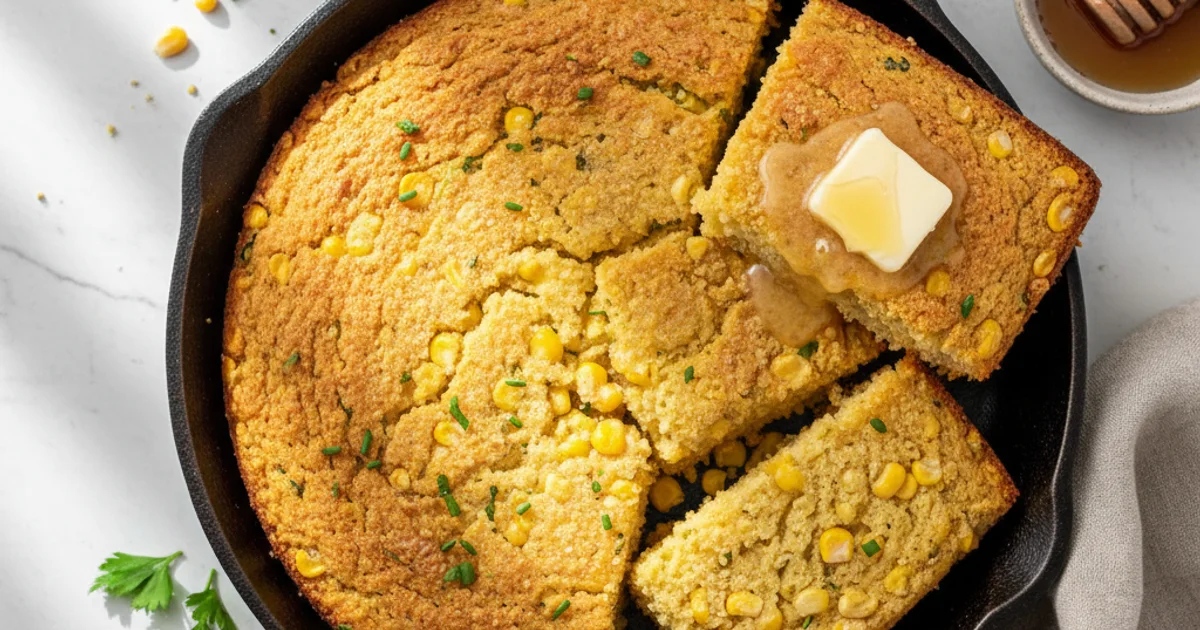
- 1Does Cornbread Have Gluten? Unraveling the Truth & Baking a Better Bite
- 2Why You’ll Love This Gluten-Free Cast Iron Cornbread Recipe
- 3Essential Ingredients for Your Gluten-Free Cornbread: A Deep Dive into Cornmeal, Sorghum, and More
- 4Equipment You’ll Need for Perfect Gluten-Free Cornbread in a 12-Inch Cast Iron Pan
- 5Step-by-Step Instructions: Mastering Your Gluten-Free Cornbread Recipe
- 6Pro Tips & Tricks for the Best Gluten-Free Cornbread Ever
Ingredients
Dry Ingredients
- 1 cup (120g) fine or medium grind gluten-free whole grain cornmeal (e.g., Bob's Red Mill)
- 1/2 cup (60g) sorghum flour
- 1/4 cup (30g) corn flour (not cornstarch)
- 2 tsp baking powder (gluten-free certified)
- 1/2 tsp baking soda
- 1/2 tsp salt
- 1-2 tbsp granulated sugar (optional, for sweeter cornbread)
Wet Ingredients
- 1 1/4 cups (300ml) buttermilk (or dairy-free alternative + 1 tbsp vinegar/lemon juice)
- 2 large eggs (or flax eggs for egg-free)
- 1/4 cup (60ml) melted unsalted butter (or dairy-free butter/oil)
For the Pan
- 1 tbsp butter or oil, for greasing the cast iron pan
Instructions
Instructions
Preheat oven to 400°F (200°C). Place 12-inch cast iron skillet with 1 tbsp butter/oil in the oven to heat up.
Instructions
In a large bowl, whisk together gluten-free cornmeal, sorghum flour, corn flour, baking powder, baking soda, salt, and sugar (if using).
Instructions
In a separate medium bowl, whisk together buttermilk, eggs, and melted butter until well combined.
Instructions
Pour the wet ingredients into the dry ingredients. Mix with a spatula until just combined. Do not overmix; a few lumps are fine.
Instructions
Carefully remove the hot skillet from the oven. Swirl the melted fat to coat the bottom and sides.
Instructions
Pour the cornbread batter into the hot skillet, spreading evenly.
Instructions
Bake for 20-25 minutes, or until golden brown on top and a toothpick inserted into the center comes out clean.
Instructions
Remove from oven and let cool in the skillet for 5-10 minutes before slicing and serving.
Recipe FAQs
Does cornbread traditionally have gluten?
Is gluten-free cornbread healthy?
What is the best gluten-free cornmeal to use?
Can I use 'P.A.N. cornmeal flour' or Maseca for this recipe?
What can I use if I don't have buttermilk for my cornbread without milk?
Can I make this cornbread dairy-free and gluten-free?
Gluten-Free Cornbread: Old-Fashioned & Flavorful
Wondering does cornbread have gluten? Discover our delicious, easy gluten-free cornbread recipe, perfect for a 12-inch cast iron pan. Enjoy classic flavor!
Prep Time
15 min
Cook Time
25 min
Total Time
40 min
Dry Ingredients
- 1 cup (120g) fine or medium grind gluten-free whole grain cornmeal (e.g., Bob's Red Mill)
- 1/2 cup (60g) sorghum flour
- 1/4 cup (30g) corn flour (not cornstarch)
- 2 tsp baking powder (gluten-free certified)
- 1/2 tsp baking soda
- 1/2 tsp salt
- 1-2 tbsp granulated sugar (optional, for sweeter cornbread)
Wet Ingredients
- 1 1/4 cups (300ml) buttermilk (or dairy-free alternative + 1 tbsp vinegar/lemon juice)
- 2 large eggs (or flax eggs for egg-free)
- 1/4 cup (60ml) melted unsalted butter (or dairy-free butter/oil)
For the Pan
- 1 tbsp butter or oil, for greasing the cast iron pan
Does Cornbread Have Gluten? Unraveling the Truth & Baking a Better Bite
For many home bakers, the question “does cornbread have gluten?” is a common one, often leading to confusion. While its primary ingredient, cornmeal, is naturally gluten-free, traditional cornbread recipes frequently incorporate wheat flour. This addition, typically all-purpose flour, provides a lighter texture that many have come to expect, but it also introduces gluten. What I discovered is that this common practice means that much of the cornbread found in restaurants or even made from conventional mixes is not suitable for those with celiac disease or gluten sensitivities.
The growing awareness of dietary restrictions has created a significant demand for genuinely gluten-free alternatives that don’t compromise on taste or texture. Finding an old fashioned cornbread recipe that delivers that comforting, crumbly, yet moist experience without any gluten can be a challenge. Many attempts at gluten-free versions often result in dry, dense, or oddly textured loaves. This recipe is specifically crafted to overcome these hurdles, offering a truly satisfying experience. My goal was to develop a recipe that captures the essence of classic, rustic cornbread, ensuring that everyone can enjoy this beloved staple. We’re talking about that perfect golden crust and tender interior, all made possible with carefully selected gluten-free ingredients.
Why You’ll Love This Gluten-Free Cast Iron Cornbread Recipe
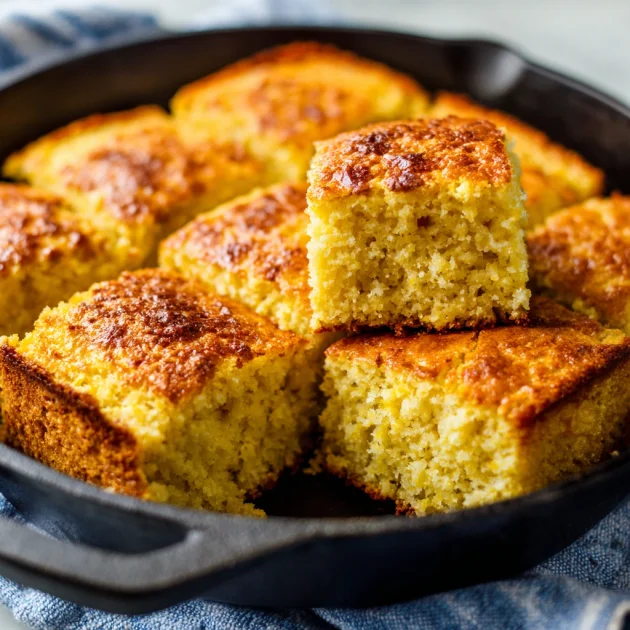
Here’s the thing: many folks believe truly authentic cornbread requires wheat flour. I’ve spent years perfecting a recipe that shatters that misconception, delivering all the classic comfort without any gluten. You’ll achieve that coveted golden brown edge and tender, crumbly interior, just like the old-fashioned cornbread recipes Grandma used to make. This recipe is specifically designed to work beautifully in a 12 inch cast iron pan, guaranteeing that desirable crispy crust.
What I love about this particular old fashioned cornbread recipe is its simplicity. It’s incredibly straightforward, even for those new to gluten-free baking. There are no complicated steps or hard-to-find ingredients, making delicious, wholesome baking accessible to everyone. We’re using whole grain cornmeal as our star, providing a rich, earthy flavor and a good source of fiber. This makes it a more wholesome choice than many traditional versions. This versatile treat pairs perfectly with hearty chili, savory stews, or even a dollop of jam for a delightful breakfast. It’s also easily adaptable, with notes for making it dairy-free or even a sugar free cornbread recipe, catering to various dietary needs. This treat truly brings back the nostalgic taste of home, proving that you don’t need wheat to enjoy a truly satisfying slice.
Essential Ingredients for Your Gluten-Free Cornbread: A Deep Dive into Cornmeal, Sorghum, and More
Here’s the thing, crafting a truly exceptional gluten-free cornbread starts with understanding your ingredients. Each component plays a vital role in achieving that perfect texture and flavor we all crave. We’re moving beyond just swapping flours; we’re building a foundation for a superior bake.
Our base begins with whole grain cornmeal. I always opt for a medium-ground cornmeal, as it strikes a wonderful balance between texture and tenderness. Brands like Bob’s Red Mill Cornmeal or Quaker Corn Meal often offer certified gluten-free options, which is crucial for those with sensitivities. Always check the label to ensure it’s explicitly stated as gluten-free cornmeal. This ensures there’s no cross-contamination from shared milling equipment. This ingredient, derived from ground corn, provides the characteristic grittiness and sweet, earthy flavor foundational to any old fashioned cornbread recipe.
Next, we incorporate sorghum flour. What I love about this flour is its ability to provide structure and a delicate, tender crumb, qualities often missing in gluten-free baking. It’s a fantastic choice for many sorghum flour recipes, lending a mild, slightly sweet flavor that complements the cornmeal beautifully. Sorghum helps prevent the crumbly texture that can sometimes plague gluten-free baked goods.
We also use a touch of corn flour. This is distinct from cornstarch and serves a different purpose than the cornmeal. Corn flour gluten free is finely milled and acts as a binder, contributing to the overall cohesion and smooth texture of the batter. It helps create a less coarse crumb, making the cornbread more palatable. For those experimenting with various recipes using corn flour, you’ll notice its subtle thickening power.
For lift, we rely on a combination of leavening agents: baking powder and baking soda. These react with the acidic components in the batter, creating carbon dioxide bubbles that expand during baking. This expansion is what gives the cornbread its light, airy structure, preventing it from becoming too dense. Trust me on this one, proper leavening is key to a fluffy outcome.
Buttermilk is another essential ingredient, not just for moisture but for its acidity. The acidity activates the baking soda, enhancing the leavening process. If you’re looking for cornbread without milk or need a cornbread dairy free gluten free option, a good substitute is plant-based milk (like almond or soy) with a tablespoon of lemon juice or apple cider vinegar mixed in and allowed to sit for 5 minutes. This creates a homemade “buttermilk.”
Eggs act as a binder, adding richness and helping the cornbread hold its shape. They also contribute to the overall moisture content. For those needing a cornbread recipe without eggs, flax eggs (1 tablespoon ground flaxseed meal mixed with 3 tablespoons water per egg) can work, though the texture might be slightly denser.
Fat is crucial for flavor and tenderization. I always use melted butter, as it imparts a rich, traditional taste. However, neutral oils like canola or vegetable oil can also be used. The fat also helps create those coveted golden-brown edges, especially when preheating a 12 inch cast iron pan.
Finally, for sweetness, I prefer a subtle touch. While some enjoy a very sweet cornbread, I find a little bit of sugar or a drizzle of honey enhances the corn’s natural flavor without overpowering it. For a sugar free cornbread recipe, you can omit it entirely or use a natural sugar substitute. This combination of carefully chosen ingredients ensures a flavorful and perfectly textured gluten-free cornbread every time.
Equipment You’ll Need for Perfect Gluten-Free Cornbread in a 12-Inch Cast Iron Pan
Building on this, having the right tools makes all the difference for this old fashioned cornbread recipe. You don’t need a professional kitchen, but a few key items will ensure success. In my kitchen, I always reach for my trusty cast iron pan. It’s non-negotiable for that signature crispy crust.
A 12-inch cast iron pan is truly essential for achieving that beautifully caramelized exterior. This pan distributes heat incredibly evenly, which is crucial for gluten-free baking where consistent temperatures prevent gummy textures. Trust me on this one, preheating your pan properly is vital; I always let mine warm in the oven while mixing the batter. This ensures a satisfying sizzle when the batter hits the hot surface.
Beyond the star of the show, you’ll need a couple of large mixing bowls. I use one for the dry ingredients and another for the wet, keeping everything separate until the very last moment. This method helps prevent overmixing, which can toughen gluten-free baked goods. A good whisk is perfect for combining the flours and leavening agents smoothly.
For incorporating the wet into the dry, a sturdy silicone spatula works best. It allows you to fold gently, ensuring all ingredients are just combined without overworking the batter. Accuracy is paramount in gluten-free baking, so a reliable set of measuring cups and spoons is a must-have. Eyeballing ingredients is a recipe for disaster with this type of flour blend.
Finally, your oven and a cooling rack round out the essential equipment. Make sure your oven is preheated to the correct temperature before you even think about putting the cornbread in. An oven thermometer can confirm its accuracy. Once baked, transferring the cornbread to a cooling rack immediately allows air to circulate, preventing a soggy bottom and ensuring those golden brown edges stay crisp. This helps maintain the integrity of your delicious cornbread recipe without eggs.
Step-by-Step Instructions: Mastering Your Gluten-Free Cornbread Recipe
-
Prepare the Pan: Preheat your oven to 400°F (200°C). While the oven preheats, place a 12-inch cast iron skillet in the oven with 2 tablespoons of bacon grease, butter, or your preferred fat to get it sizzling hot, ensuring the ultimate crispy crust.
-
Combine Dry Ingredients: In a large bowl, sift or whisk together 1 ½ cups gluten-free cornmeal, ½ cup sorghum flour, ½ cup corn flour, 1 tablespoon gluten-free baking powder, ½ teaspoon baking soda, and 1 teaspoon salt. (If using a pre-blended gluten-free cornmeal mix, ensure it contains leavening agents and adjust accordingly, or simply use 2 ½ cups of the mix).
-
Combine Wet Ingredients: In a separate medium bowl, whisk together 1 ½ cups buttermilk (or a dairy-free alternative like almond milk with 1 tablespoon of apple cider vinegar), 2 large eggs (or a flax egg substitute for vegan), and ¼ cup of melted unsalted butter or your chosen melted fat.
-
Gently Combine Wet and Dry: Pour the wet ingredients into the bowl with the dry ingredients. Stir with a spoon or spatula until just combined. It’s crucial not to overmix, as overworking the batter will develop the gluten in the gluten-free flour blend (if present in the mix) or create a tough, dense cornbread regardless, resulting in a less tender crumb.
-
Pour into Hot Pan: Carefully and quickly pour the batter into the preheated, greased cast iron pan. The hot pan will immediately start to cook the edges of the cornbread, contributing to a crispy crust.
-
Bake to Golden Perfection: Transfer the pan to the preheated oven and bake for 20-25 minutes, or until the top is golden brown and a wooden skewer or toothpick inserted into the center comes out clean.
-
Allow the cornbread to cool in the pan for at least 15-20 minutes before attempting to slice, as this will help it set and prevent crumbling.
Pro Tips & Tricks for the Best Gluten-Free Cornbread Ever
Building on this, mastering a truly exceptional gluten-free cornbread requires more than just following steps. It involves understanding the nuances of baking. I’ve learned these tricks over years in my kitchen.
Here’s the thing about gluten-free baking: overmixing is a common pitfall. Unlike traditional recipes, excessive stirring can still lead to a tough crumb. Even without gluten, the starches in alternative flours can develop a gummy texture. Mix just until combined for a tender result.
- Don’t Overmix: Stir only until no dry streaks remain.
- Gentle Hand: A light touch ensures a delicate texture.
- Avoid Toughness: Overworking the batter compacts it.
The secret is ensuring your 12 inch cast iron pan is screaming hot before adding the batter. This initial sizzle creates that coveted crispy crust. It’s a hallmark of authentic cornbread. I always place my seasoned pan in the oven during preheating.
What I discovered is that a preheated pan delivers superior texture. The batter sets quickly on contact. This prevents it from soaking up too much oil. A properly hot pan makes all the difference.
- Crispy Edges: Achieved by immediate contact with heat.
- Golden Brown: The hot pan helps with even browning.
- Prevents Sticking: Ensures a clean release from the pan.
A common mistake is baking for too long, which results in dry cornbread. You want a crumb that is slightly moist, not parched. Keep a close eye on it towards the end of the baking time. A wooden skewer inserted into the center should come out with a few moist crumbs attached, not wet batter.
In practice, pulling it from the oven a minute or two early is better than waiting too long. The residual heat will continue to cook it slightly. This method guarantees a tender interior. Trust me on this one; dry cornbread is a sad cornbread.
- Visual Cues: Look for golden edges and a firm center.
- Skewer Test: The most reliable indicator of doneness.
- Slightly Moist: Aim for this texture for best results.
Ingredient temperature also plays a role in achieving a smooth batter and better rise. Room temperature eggs and milk incorporate more evenly. They create a more homogenous mixture. Cold ingredients can cause the batter to seize.
The key difference is how room temperature ingredients emulsify. They blend seamlessly with the fats in the recipe. This leads to a lighter, airier texture. Planning ahead makes a noticeable difference in the final product.
- Even Blending: Room temperature ingredients mix better.
- Improved Rise: Contributes to a lighter crumb structure.
- No Lumps: Prevents uneven pockets of cold ingredients.
Worth noting here, you can easily adjust this old fashioned cornbread recipe for sweetness or savory elements. For a sweeter version, increase the sugar slightly. For a savory twist, add diced jalapeños and cheddar cheese. I often add finely chopped chives.
Here’s what actually works: if you prefer a less sweet profile, reduce the sugar by a tablespoon. Conversely, for a truly sweet treat, a quarter cup of sugar works well. Experimenting with these additions can personalize your cornbread. This versatility makes the recipe a kitchen staple.
- Sweet Additions: Honey, maple syrup, or extra sugar.
- Savory Mix-ins: Herbs, cheese, or diced peppers.
- Personalize Flavor: Adjust to your preference.
For those baking at higher elevations, a few adjustments might be necessary. Reduced atmospheric pressure can affect leavening and moisture. You might need to slightly increase liquids or decrease baking powder. This ensures proper texture.
You’ll notice that baked goods tend to rise faster and dry out more quickly at altitude. A general guideline is to add a tablespoon or two of extra liquid. Baking at a slightly lower temperature for a longer time can also help. These small changes make a big difference.
Enjoyed this recipe? Share it with a friend or save it to your board for later. Leave a comment below — I love hearing how it turned out!
You May Also Enjoy





You Might Also Love These 🍽️
Recipes picked just for you based on what you’re cooking