Authentic Gluten-Free Chinese: Your Recipe Guide
Craving delicious gluten free Chinese food? Discover easy, authentic recipes and tips for navigating Chinese cuisine without gluten. Perfect for home cooks!
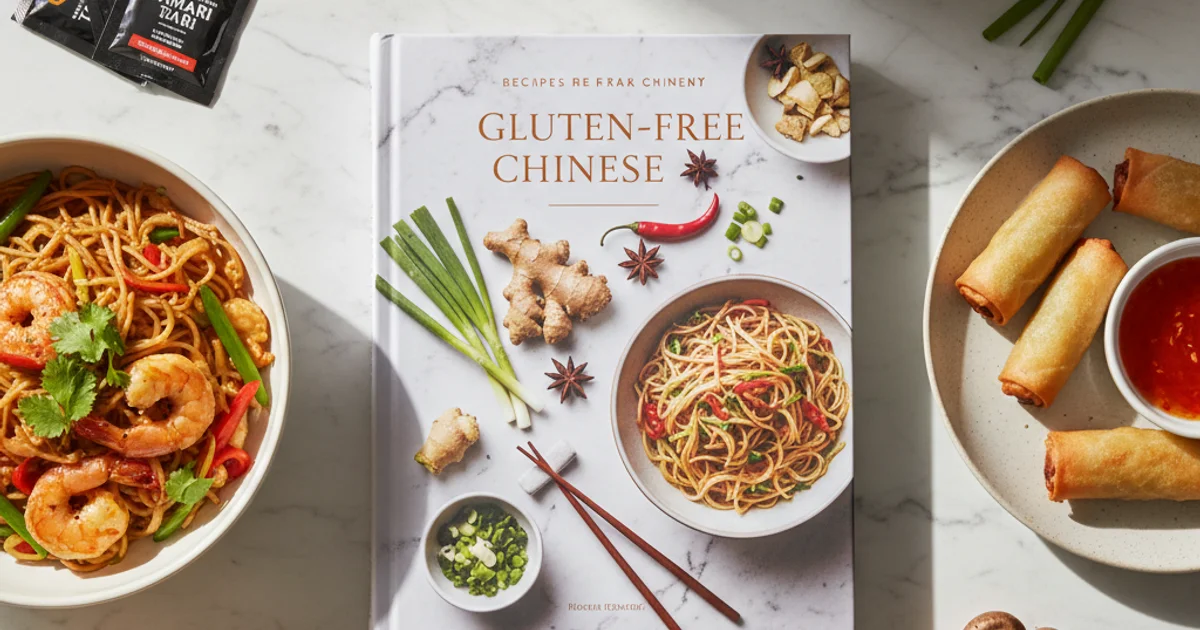
- 1Embracing Delicious Gluten Free Chinese Cuisine: No More Missing Out!
- 2Why You’ll Love This Gluten Free Chinese Food Recipe
- 3Essential Ingredients for Your Gluten Free Chinese Dish
- 4Equipment You’ll Need for Easy Gluten Free Oriental Cooking
- 5Step-by-Step Guide: Crafting Your Perfect Gluten Free Chinese Meal
- 6Mastering Gluten Free Chinese Dishes: Pro Tips & Tricks
- 7Mastering Gluten Free Chinese Dishes: Pro Tips & Tricks
Ingredients
For the Protein (e.g., Chicken)
- 1.5 lbs boneless, skinless chicken thighs or breast, cut into 1-inch pieces
- 2 tbsp gluten-free Tamari
- 1 tbsp cornstarch or arrowroot starch
- 1 tbsp sesame oil
For the Gluten-Free Sauce
- 1/2 cup gluten-free Tamari
- 1/4 cup rice vinegar
- 2 tbsp honey or maple syrup
- 1 tbsp grated fresh ginger
- 2 cloves garlic, minced
- 1 tsp chili garlic sauce (optional, for heat)
- 1 tbsp cornstarch or arrowroot starch (mixed with 2 tbsp cold water)
For the Stir-Fry
- 1 tbsp avocado oil or other high-heat oil
- 1 head broccoli, cut into florets
- 1 red bell pepper, thinly sliced
- 1/2 yellow onion, thinly sliced
For Garnish (Optional)
- Sesame seeds
- Chopped green onions
Instructions
Instructions
Marinate protein with Tamari, starch, and sesame oil.
Instructions
Whisk together all sauce ingredients (except cornstarch slurry).
Instructions
Heat oil in a wok/skillet, cook protein until browned, remove.
Instructions
Add more oil if needed, stir-fry aromatics (ginger/garlic if not in sauce), then vegetables until tender-crisp.
Instructions
Return protein to pan, pour in sauce. Bring to a simmer.
Instructions
Stir in cornstarch slurry, cook until sauce thickens.
Instructions
Garnish and serve immediately.
Recipe FAQs
What Chinese food is gluten free at restaurants?
Is soy sauce gluten free in Chinese cuisine?
Can I make this gluten free Chinese recipe vegetarian or vegan?
How do I prevent cross-contamination when cooking gluten free Chinese food?
What are some common hidden sources of gluten in Chinese food?
Can I meal prep this gluten free Chinese dish?
Authentic Gluten-Free Chinese: Your Recipe Guide
Craving delicious gluten free Chinese food? Discover easy, authentic recipes and tips for navigating Chinese cuisine without gluten. Perfect for home cooks!
Prep Time
15 min
Cook Time
20 min
Total Time
35 min
For the Protein (e.g., Chicken)
- 1.5 lbs boneless, skinless chicken thighs or breast, cut into 1-inch pieces
- 2 tbsp gluten-free Tamari
- 1 tbsp cornstarch or arrowroot starch
- 1 tbsp sesame oil
For the Gluten-Free Sauce
- 1/2 cup gluten-free Tamari
- 1/4 cup rice vinegar
- 2 tbsp honey or maple syrup
- 1 tbsp grated fresh ginger
- 2 cloves garlic, minced
- 1 tsp chili garlic sauce (optional, for heat)
- 1 tbsp cornstarch or arrowroot starch (mixed with 2 tbsp cold water)
For the Stir-Fry
- 1 tbsp avocado oil or other high-heat oil
- 1 head broccoli, cut into florets
- 1 red bell pepper, thinly sliced
- 1/2 yellow onion, thinly sliced
For Garnish (Optional)
- Sesame seeds
- Chopped green onions
Embracing Delicious Gluten Free Chinese Cuisine: No More Missing Out!
For years, many believed that truly authentic Chinese cuisine and a gluten-free diet were mutually exclusive. The pervasive use of soy sauce, often a wheat-containing ingredient, alongside various thickeners and marinades, made navigating restaurant menus a minefield for those avoiding gluten. I remember the frustration of seeing tempting dishes pass by, knowing they were likely off-limits. This common misconception often leads to feelings of missing out on vibrant flavors and cherished culinary experiences.
What I discovered is that with a few smart substitutions and a deeper understanding of ingredients, creating genuinely delicious gluten-free Chinese dishes at home is not only possible but incredibly rewarding. The demand for safe and flavorful options has grown exponentially, and rightly so. You shouldn’t have to sacrifice taste or tradition just because of dietary restrictions. In my kitchen, embracing a gluten-free lifestyle has opened up new avenues for creativity, allowing me to recreate beloved classics with confidence.
Here’s the thing: you don’t need to settle for bland or modified versions of your favorite Chinese dishes. This guide empowers you to craft meals that are both safe and bursting with traditional flavors. We’ll explore how to transform staple ingredients, ensuring every bite delivers that satisfying taste you crave. This recipe, for instance, showcases how easily you can achieve restaurant-quality results right in your own home. It’s about bringing those cherished dining experiences back to your table without compromise. This approach ensures that everyone can enjoy the rich tapestry of Chinese cooking.
Why You’ll Love This Gluten Free Chinese Food Recipe
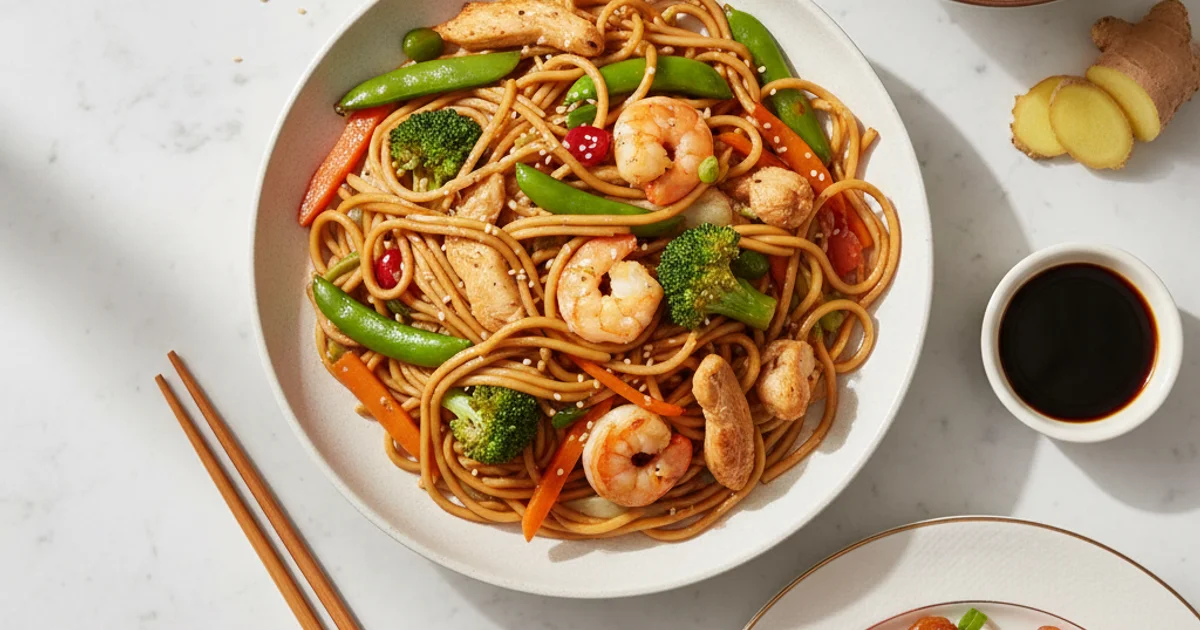
Here’s the thing: I’ve spent years perfecting this recipe, ensuring it captures that beloved takeout taste without any gluten. You’ll find that this dish delivers on all fronts – from its rich, savory sauce to its perfectly cooked components. It’s designed to be a staple in your kitchen, making weeknight meals exciting and worry-free.
What I love about this recipe is its sheer simplicity. In my kitchen, I’m always looking for ways to create wholesome meals without spending hours. This comes together quickly, often faster than waiting for a delivery. It’s a true lifesaver on those busy evenings when you crave something satisfying and familiar.
Building on this, you have complete control over the ingredients. This means you can adjust sodium levels, add extra vegetables, or even swap out proteins to suit your family’s preferences. It’s incredibly versatile, allowing you to tailor it to your dietary needs and taste buds. This recipe proves that eating well doesn’t mean sacrificing flavor or convenience. It’s a crowd-pleaser that everyone, regardless of their dietary restrictions, will genuinely enjoy.
Essential Ingredients for Your Gluten Free Chinese Dish
Here’s the thing, crafting truly flavorful gluten free chinese food starts with understanding your ingredients. Every component plays a crucial role, and making the right, certified gluten-free choices is non-negotiable for a safe and delicious meal. I always keep a well-stocked pantry of these essentials.
For the protein, I’m using boneless, skinless chicken thighs for this recipe. They stay wonderfully juicy and absorb flavors beautifully. You’ll want to cut them into uniform 1-inch pieces; this ensures even cooking. If you prefer, beef flank steak sliced against the grain works equally well, or for a vegetarian option, extra-firm tofu, pressed and cubed, is excellent. The choice of protein impacts the cooking time slightly, but the overall flavor profile remains consistent.
Building on this, the cornerstone of any savory Chinese sauce is soy sauce, but for gluten free asian recipes, we need a safe alternative. Tamari is your best friend here; it’s a Japanese soy sauce variety made without wheat. I exclusively use Kikkoman Tamari Gluten-Free Soy Sauce because it consistently delivers that deep, umami flavor without any hidden gluten. Always double-check labels, even on seemingly safe products, as formulations can change.
To achieve that signature silky sauce and sometimes a crisp coating, cornstarch is indispensable. It’s naturally gluten-free and thickens sauces perfectly. You can also use arrowroot starch as a direct substitute if preferred. For coating proteins, a light dusting before searing creates a lovely texture.
What I discovered is that rice vinegar adds a bright, tangy counterpoint that cuts through the richness of the sauce. It’s a mild vinegar, less acidic than white vinegar, and essential for balancing the flavors in many gluten free chinese food recipes. I use it generously to lift the dish.
A little toasted sesame oil goes a long way. This isn’t for cooking, but rather a finishing oil, added right at the end. Its distinct nutty aroma provides an authentic depth to this dish. A mere drizzle elevates the entire flavor profile.
The aromatic foundation comes from fresh ginger and garlic. I always mince several cloves of garlic and grate a good thumb-sized piece of fresh ginger. These two ingredients are the heart and soul of many gluten free chinese dishes, providing a pungent warmth and essential fragrance.
For vegetables, I like a colorful mix. Broccoli florets, sliced bell peppers (red and yellow are my favorites), and thinly sliced carrots add texture, nutrients, and visual appeal. Cut them into similar-sized pieces for even cooking. You can also incorporate snow peas or snap peas for a fresh crunch.
A touch of sweetness balances the savory and tangy elements. I typically use honey for its subtle floral notes, but maple syrup or even light brown sugar can be used. The goal is to round out the flavors, not to make the dish overtly sweet.
Finally, for those who enjoy a bit of heat, chili garlic sauce or sriracha is an excellent addition. I often add a teaspoon or two to the sauce mixture for a gentle kick. It’s entirely optional, but it definitely adds another layer of complexity. Remember, when making gluten free oriental recipes, checking every single label for hidden gluten is paramount.
Equipment You’ll Need for Easy Gluten Free Oriental Cooking
In my kitchen, I always prioritize having the right tools for the job, even when it comes to making this recipe. While you don’t need a professional setup, a few key pieces of equipment will make your cooking experience much smoother and more enjoyable. These aren’t fancy gadgets, but rather reliable essentials that streamline the process.
Large Skillet or Wok: For stir-frying, a wok is truly ideal. Its sloped sides allow for even cooking and easy tossing of ingredients, creating that satisfying sizzle. If you don’t have a wok, a large, heavy-bottomed skillet with high sides will work perfectly well for this dish. The key is ample surface area for all your ingredients to cook without overcrowding.
Sharp Knife & Cutting Board: Efficient ingredient preparation is crucial for any cooking, especially for a stir-fry where everything cooks quickly. A good, sharp chef’s knife and a sturdy cutting board will make quick work of chopping vegetables and protein. This ensures uniform pieces, leading to even cooking and a beautiful presentation.
Mixing Bowls: You’ll need a few mixing bowls of various sizes. Smaller ones are perfect for whisking up the sauce, while a larger one is essential for marinating your protein. Having dedicated bowls keeps your workspace organized and prevents cross-contamination.
Measuring Cups & Spoons: Accuracy in measurements is important for balanced flavors, especially in the sauce. Trust me on this one; slight deviations can significantly alter the final taste. Standard measuring cups and spoons are indispensable for consistent results every time you prepare this recipe.
Whisk: To achieve a silky-smooth sauce without any lumps, a whisk is your best friend. It thoroughly combines liquid ingredients and ensures that cornstarch or other thickeners are fully dissolved. This leads to a beautiful, glossy finish on your sauce.
Spatula/Tongs: A sturdy spatula or a pair of tongs is essential for stirring and flipping ingredients in your hot pan. They allow for even cooking and prevent sticking, ensuring every piece of protein and vegetable gets perfectly cooked.
Optional Equipment: While not strictly necessary, a rice cooker can be a fantastic addition to your kitchen for serving alongside this recipe. It consistently produces perfectly cooked rice with minimal effort. A vegetable peeler can speed up prep for certain ingredients, and a garlic press offers a quick way to mince garlic, though a sharp knife works just as well. These optional tools simply enhance convenience.
Step-by-Step Guide: Crafting Your Perfect Gluten Free Chinese Meal
-
Prep the Protein: If using chicken, beef, or pork, thinly slice it against the grain into bite-sized pieces. For shrimp, peel and devein them. If marinating, combine your protein with the specified marinade ingredients (e.g., soy sauce, cornstarch, sesame oil) in a bowl, toss to coat evenly, and set aside for at least 15-30 minutes to allow the flavors to meld.
-
Prepare the Sauce: In a medium bowl, whisk together all the liquid ingredients for your chosen sauce (e.g., gluten-free soy sauce or tamari, rice vinegar, gluten-free hoisin, sesame oil, cornstarch, and water or broth) until completely smooth and the cornstarch is fully dissolved, ensuring no lumps remain.
-
Chop the Veggies & Aromatics: Wash and thoroughly dry all your vegetables. Mince your garlic and ginger, thinly slice any onions or scallions, and chop your other vegetables (such as bell peppers, broccoli, carrots, or bok choy) into uniform, manageable pieces that will cook evenly and quickly.
-
Cook the Protein: Heat one tablespoon of the remaining sesame oil in the wok or large skillet over medium-high heat. Add your chosen protein (chicken, beef, or tofu) and stir-fry for 3-5 minutes, or until it is lightly browned and cooked through. Remove the cooked protein from the wok and set it aside on a clean plate.
-
Stir-fry Aromatics & Veggies: Add the remaining sesame oil to the wok. Once hot, add the minced garlic and grated ginger, stir-frying for about 30 seconds until fragrant. Immediately add the chopped broccoli florets and sliced carrots, stir-frying for 3-4 minutes until they are tender-crisp.
-
Combine & Thicken: Return the cooked protein to the wok with the vegetables. Pour the prepared gluten-free Chinese sauce over the ingredients, stirring gently to coat everything evenly. Bring the mixture to a gentle simmer and cook for another 2-3 minutes, stirring occasionally, until the sauce has thickened to your desired consistency.
-
Final Touches and Aromatic Finish: Just before serving, drizzle a teaspoon of toasted sesame oil over the dish for an added layer of nutty aroma and flavor. Garnish with fresh chopped green onions, a sprinkle of toasted sesame seeds, or a scattering of fresh cilantro for a vibrant presentation and burst of freshness.
-
Mastering the Wok: Timing and Heat for Perfect Stir-Fries: Achieving the perfect stir-fry texture relies heavily on precise timing and high heat management. Ensure your wok or large skillet is smoking hot before adding ingredients to create that desirable “wok hei” (breath of the wok) char. Cook ingredients in batches if necessary to avoid overcrowding the pan, which can lower the temperature and lead to steaming instead of stir-frying.
Mastering Gluten Free Chinese Dishes: Pro Tips & Tricks
Mastering Gluten Free Chinese Dishes: Pro Tips & Tricks
In my kitchen, preparing gluten free chinese meals is all about precision and practice. What I discovered early on is that mise en place isn’t just a fancy chef term; it’s absolutely essential for stir-fries. Having all your vegetables chopped, your protein marinated, and your sauce mixed before the wok even touches the heat makes all the difference. This preparation prevents burning and ensures everything cooks evenly, leading to that perfect texture.
Here’s the thing: a common mistake is not getting your wok hot enough. Hot wok, cold oil is the mantra for achieving that characteristic smoky flavor and preventing food from sticking. You want to see wisps of smoke just before you add your oil, then swirl it quickly before adding your ingredients. Trust me on this one; it creates a non-stick surface naturally. Building on this, don’t overcrowd the pan. If you’re cooking a large batch, work in smaller portions. Overcrowding drops the temperature of the pan, leading to steamed, rather than seared, ingredients. This step is crucial for developing deep flavors and textures.
The secret is to always taste and adjust your sauce before it hits the pan. A truly great gluten free chinese food recipes sauce balances sweet, salty, tangy, and umami. A common mistake is waiting until the end to taste, when it’s much harder to correct. I always keep a small spoon handy for this. For achieving crispy protein, whether it’s chicken or tofu, pat it thoroughly dry before cooking. For an extra crisp, a light dusting of cornstarch or tapioca starch before pan-frying or air-frying works wonders. You’ll notice that this creates a beautiful golden crust.
In practice, thickening your sauce can be tricky. If it’s too thin, a cornstarch slurry (equal parts cornstarch and cold water) added slowly while stirring will fix it. If it’s too thick, a splash of water or broth can thin it out. The key difference is to avoid adding dry cornstarch directly, as it will clump. Worth noting here, cross-contamination prevention is paramount when preparing chinese food gluten free, especially for those with celiac disease. I always use dedicated cutting boards, utensils, and pans. For example, I have a specific spatula only for my gluten free asian recipes. This vigilance ensures that your delicious creations are truly safe and enjoyable for everyone. Understanding Celiac Disease is vital for proper cross-contamination prevention.
Enjoyed this recipe? Share it with a friend or save it to your board for later. Leave a comment below — I love hearing how it turned out!
You May Also Enjoy





You Might Also Love These 🍽️
Recipes picked just for you based on what you’re cooking