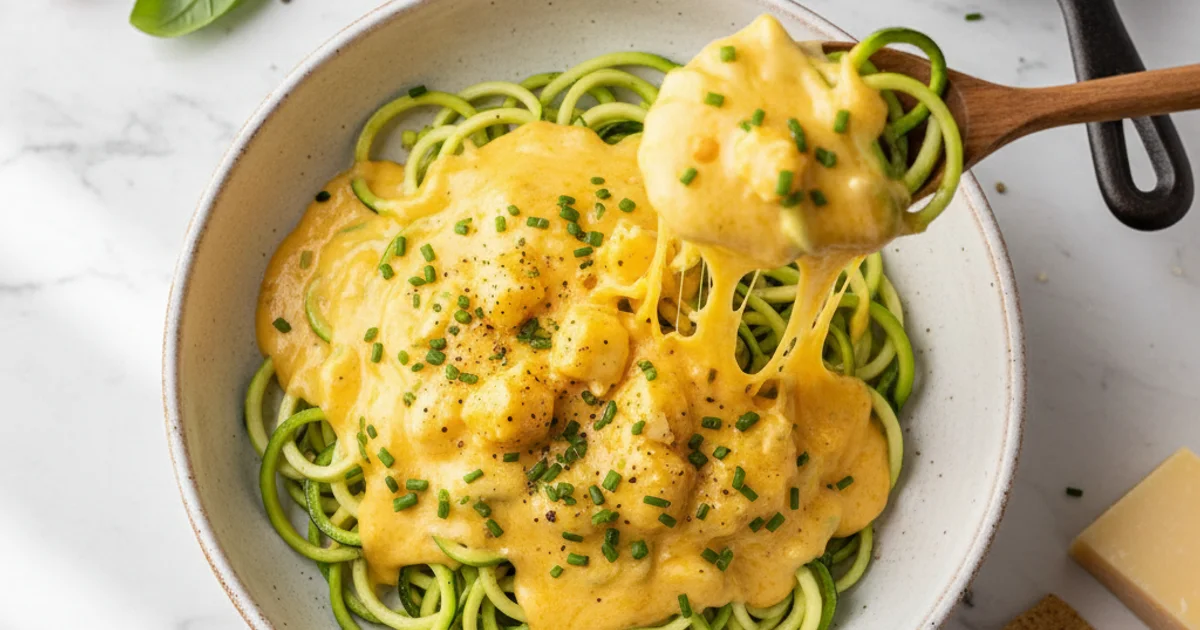
Gooey Gluten-Free Cheese Sauce: Ultimate Guide
Craving cheesy goodness but need it gluten-free? Discover our easy recipe for a safe, delicious gluten-free cheese sauce and answers to 'is there gluten in cheese?'
- 1Navigating the Dairy Aisle: Is There Gluten in Cheese?
- 2Why You’ll Love This Easy Gluten-Free Cheese Sauce Recipe
- 3Ingredients Overview: Crafting the Perfect Gluten-Free Cheese Sauce
- 4Essential Equipment You’ll Need for Your Gluten-Free Cheese Masterpiece
- 5Step-by-Step Instructions: Making Your Smooth Gluten-Free Cheese Sauce
- 6Pro Tips & Tricks for the Best Gluten-Free Cheese Sauce
Ingredients
For the Sauce
- 3 tbsp unsalted butter
- 3 tbsp gluten-free all-purpose flour blend (with xanthan gum)
- 2 cups whole milk, cold
- 1/2 tsp mustard powder
- 1/4 tsp garlic powder
- 1/4 tsp smoked paprika (optional)
- Salt and freshly ground black pepper to taste
Cheeses
- 8 oz sharp cheddar cheese, freshly grated
- 2 oz Monterey Jack cheese, freshly grated (or more cheddar)
- 2 tbsp cream cheese, softened
Instructions
Instructions
Grate cheeses and set aside.
Instructions
Melt butter in a medium saucepan over medium heat.
Instructions
Whisk in gluten-free flour and cook for 1-2 minutes to form a roux.
Instructions
Gradually whisk in cold milk until smooth; bring to a gentle simmer, whisking constantly, until thickened.
Instructions
Remove saucepan from heat. Stir in cream cheese until melted.
Instructions
Add shredded cheddar and Monterey Jack cheeses, a handful at a time, stirring until fully melted and smooth.
Instructions
Stir in mustard powder, garlic powder, paprika (if using), salt, and pepper.
Instructions
Taste and adjust seasonings as needed.
Instructions
Serve immediately.
Recipe FAQs
Is there gluten in cheese generally?
Is shredded cheese gluten-free?
Does cream cheese contain gluten?
What are some reliable gluten-free cheese brands?
Can I make this gluten-free cheese sauce dairy-free?
Why did my gluten-free cheese sauce turn out grainy?
Gooey Gluten-Free Cheese Sauce: Ultimate Guide
Craving cheesy goodness but need it gluten-free? Discover our easy recipe for a safe, delicious gluten-free cheese sauce and answers to 'is there gluten in cheese?'
Prep Time
10 min
Cook Time
15 min
Total Time
25 min
For the Sauce
- 3 tbsp unsalted butter
- 3 tbsp gluten-free all-purpose flour blend (with xanthan gum)
- 2 cups whole milk, cold
- 1/2 tsp mustard powder
- 1/4 tsp garlic powder
- 1/4 tsp smoked paprika (optional)
- Salt and freshly ground black pepper to taste
Cheeses
- 8 oz sharp cheddar cheese, freshly grated
- 2 oz Monterey Jack cheese, freshly grated (or more cheddar)
- 2 tbsp cream cheese, softened
Navigating the Dairy Aisle: Is There Gluten in Cheese?
For many, cheese is a culinary comfort, a versatile ingredient that elevates countless dishes. But for those navigating a gluten-free lifestyle, even something as seemingly simple as cheese can become a source of anxiety. I’ve heard countless questions from my readers over the years: “Is there gluten in cheese?” and “Is cheese gluten-free generally?” It’s a valid concern, especially when you’re diligently avoiding hidden sources of gluten to protect your health. What I discovered is that while most natural cheeses are indeed inherently free from gluten, the landscape becomes a bit more complex with processed varieties and certain preparations. This complexity is precisely why I developed this recipe, ensuring everyone can enjoy that rich, creamy goodness without a second thought.
Here’s the thing: pure, unadulterated cheese, made from milk, cultures, and rennet, naturally lacks gluten. Think of a block of cheddar, a wheel of brie, or a fresh mozzarella ball. These are typically safe bets. The real challenge arises when we venture into the world of shredded cheeses, cheese sauces, and various processed cheese products. A common mistake is assuming all cheese is created equal. For instance, questions like “is shredded cheese gluten free?” are particularly pertinent because anti-caking agents, often starch-based, can sometimes contain gluten. Even seemingly innocuous flavorings or thickeners in a cheese spread might harbor gluten. You might also wonder, “does cream cheese contain gluten?” Generally, plain cream cheese is gluten-free, but flavored versions can be problematic.
Building on this, cross-contamination is another significant factor to consider. Even if a cheese product itself is gluten-free, manufacturing facilities that also handle gluten-containing ingredients pose a risk. This is why checking labels for certifications or explicit “gluten-free” statements is crucial. Many gluten free cheese brands now clearly label their products, which offers peace of mind. Without these assurances, you’re left guessing, and that’s not ideal for someone with celiac disease or severe gluten sensitivity. This recipe for a luxuriously smooth cheese sauce eliminates all those worries. It uses simple, whole ingredients, putting you in complete control. You’ll know exactly what’s in your dish, and that’s a truly empowering feeling in the kitchen.
Why You’ll Love This Easy Gluten-Free Cheese Sauce Recipe
Here’s the thing: finding a truly satisfying, rich, and creamy cheese sauce that also happens to be completely safe for a gluten-free diet can sometimes feel like a quest. Many store-bought options contain hidden thickeners or cross-contamination risks. What I love about this recipe is its absolute reliability and incredible taste. You’ll notice that it delivers on all fronts: a velvety smooth texture, that comforting, savory cheese flavor, and the peace of mind knowing every ingredient is naturally free from gluten. I always keep these simple ingredients on hand because it’s become such a staple in my kitchen. This recipe isn’t just about avoiding gluten; it’s about creating something genuinely delicious that everyone at your table will enjoy, regardless of dietary needs. It’s truly a foundational recipe that opens up a world of culinary possibilities. Building on this, you’ll discover how effortlessly it comes together, making it perfect for busy weeknights or impromptu gatherings. The secret is in the careful balance of a few simple components that transform into something extraordinary. This dish proves that eating safely doesn’t mean sacrificing flavor or convenience. It’s comforting and deeply satisfying.
Ingredients Overview: Crafting the Perfect Gluten-Free Cheese Sauce
Building on this, let’s break down the components that make this sauce truly exceptional. Each ingredient plays a vital role in achieving that rich, smooth texture and deep flavor. My goal is always to create something both safe and incredibly satisfying.
First, we start with butter. This forms the foundation of our roux, providing a rich, buttery base. Unsalted butter is my preference, as it gives me complete control over the final seasoning. Butter is naturally gluten-free, so no worries there. It melts beautifully, creating the perfect starting point for our thickening agent.
Next up is the gluten-free all-purpose flour blend. This is crucial for achieving the perfect thickness without any gluten. I always recommend using a certified gluten-free blend to avoid cross-contamination. Look for blends that contain a mix of rice flour, potato starch, and tapioca starch for the best results. This blend replaces traditional wheat flour, ensuring the sauce remains safe for everyone. The trick is to whisk it thoroughly with the melted butter to create a smooth paste, preventing any lumps from forming later.
For the creamy base, we use milk. Whole milk delivers the richest, most luxurious sauce. You can use lower-fat options, but be aware that the sauce might be slightly thinner and less decadent. The fat in whole milk helps carry the flavors and contributes to that silky mouthfeel. What I love about this is how it transforms from a liquid into a velvety sauce with the help of our roux.
Now for the star: the cheese. I typically use a blend of sharp Cheddar and creamy Monterey Jack. The key difference is to always buy block cheese and shred it yourself. Pre-shredded varieties often contain anti-caking agents like cellulose or potato starch, which can sometimes contain gluten or affect the melt. While many commercial shredded cheeses are labeled gluten-free, shredding your own guarantees purity and a superior melt. Look for reputable gluten free cheese brands like Tillamook, Cabot, or Sargento, but always double-check the label for any hidden additives. This ensures your gluten free cheese sauce is truly safe.
A touch of cream cheese adds an extra layer of creaminess and a subtle tang that balances the richness. Many wonder, “does cream cheese contain gluten?” Generally, plain cream cheese is gluten-free, but it’s always wise to check the ingredient list for any added flavors or thickeners. It melts seamlessly into the sauce, enhancing its velvety texture.
Finally, we have our seasonings: mustard powder or Dijon mustard, paprika, garlic powder, salt, and pepper. The mustard powder doesn’t make the sauce taste like mustard; instead, it amplifies the savory notes of the cheese, making it taste even cheesier. These spices are naturally gluten-free and provide depth and warmth, creating a well-rounded flavor profile. The secret is to add them at the right stage to allow their flavors to meld beautifully without overpowering the cheese.
Essential Equipment You’ll Need for Your Gluten-Free Cheese Masterpiece
In my kitchen, having the right tools makes all the difference, especially when crafting something as delicate as a smooth cheese sauce. You don’t need a professional setup, but a few key pieces of equipment will ensure success. I always start with a medium saucepan. This size is ideal for controlling heat and preventing the sauce from burning. It allows enough room to whisk effectively without splashing.
Here’s the thing, a good whisk is non-negotiable for this recipe. It’s absolutely crucial for creating a lump-free roux and smoothly incorporating the milk. Trust me on this one; a fork just won’t cut it for that silky texture we’re aiming for. Another essential is a grater. While pre-shredded cheese seems convenient, it often contains anti-caking agents that can sometimes include gluten or other starches. Grating your own block of cheese guarantees purity and better melting. This also addresses concerns about whether shredded cheese is gluten free.
Building on this, precise measurements are vital. So, measuring cups and spoons are always at hand. They ensure you get the exact proportions for the roux and liquids, leading to consistent results every time. A heat-proof spatula is also incredibly useful. It helps scrape down the sides of the saucepan, ensuring no cheese or roux goes unmixed. What I discovered is that a silicone spatula handles the heat beautifully and cleans up easily. For those who love precision, a digital kitchen scale can be a great addition, particularly for measuring gluten-free flour accurately. It’s not strictly necessary, but it certainly helps. These tools simplify the process, making it enjoyable.
Step-by-Step Instructions: Making Your Smooth Gluten-Free Cheese Sauce
Here are steps 1 to 3 of the instructions for your recipe:
-
Prepare Your Cheese: Begin by shredding your chosen cheeses from the block. This crucial step is especially important for gluten-free cooking as pre-shredded cheeses often contain anti-caking agents like cellulose or potato starch, which can sometimes contain gluten or interfere with the smooth consistency of your sauce.
-
Make the Gluten-Free Roux: In a medium saucepan over medium heat, melt the butter until it’s fully liquefied. Once melted, sprinkle in the gluten-free all-purpose flour and immediately begin whisking vigorously. Continue to cook this mixture, whisking constantly, for 1-2 minutes until it forms a pale, sandy-textured paste, ensuring the raw flour taste is cooked out.
-
Gradually Add Milk: With your roux ready, slowly pour in the cold milk, a little at a time, while continuously whisking to prevent any lumps from forming. Once all the milk is incorporated, continue to whisk and bring the mixture to a gentle simmer over medium-low heat, stirring constantly, until the sauce visibly thickens to your desired consistency.
-
Incorporate Cheeses: Remove the saucepan from the heat. Stir in the cream cheese until it has completely melted and is smooth. Then, gradually add the shredded cheese, stirring continuously until it is fully incorporated and the sauce is smooth and gooey.
-
Season: Stir in the mustard powder, paprika, garlic powder, salt, and pepper. Taste the sauce and adjust the seasonings as needed to achieve your desired flavor profile.
-
Serve Immediately: Enjoy your warm, deliciously gooey gluten-free cheese sauce right away.
Pro Tips & Tricks for the Best Gluten-Free Cheese Sauce
Building on this, mastering a few key techniques will transform your sauce from good to truly exceptional. One crucial aspect I always emphasize in my kitchen is the quality of your ingredients, especially the cheese itself. I always grate my own cheese from a block; pre-shredded varieties often contain starches like potato starch or cellulose to prevent caking, which can make your sauce gritty and sometimes even affect the flavor.
Here’s the thing: while these additives are generally safe, they can hinder that wonderfully smooth texture we’re aiming for. Another technique I swear by is the “low and slow” approach when melting the cheese. High heat can cause the fat to separate from the milk solids, resulting in an oily, grainy mess that no one wants. Trust me on this one; patience is a virtue when it comes to achieving that silky texture. What I discovered early on was the delicate balance required.
Worth noting here, when incorporating the liquid, always add cold or room temperature milk to your hot roux. This temperature difference helps prevent lumps from forming, allowing the starch granules to swell evenly without clumping together. A common mistake is adding hot milk to a hot roux, which can instantly create stubborn lumps that are difficult to whisk out. The secret is to whisk constantly and vigorously during this stage, ensuring a uniform consistency from the very start.
Here’s what actually works: if your sauce is too thick, gradually whisk in a little more warm milk until it reaches your desired pourable consistency. If it’s too thin, you can gently simmer it for a few more minutes, stirring frequently, to allow it to reduce and thicken. For a quicker fix, a cornstarch slurry (one tablespoon of cornstarch mixed with two tablespoons of cold water) can be whisked in and cooked for a minute or two. For an extra layer of flavor, consider adding a dash of Worcestershire sauce (ensure it’s a gluten-free brand), a pinch of cayenne pepper, or even a splash of your favorite hot sauce. These subtle additions can really elevate the profile of the sauce.
Enjoyed this recipe? Share it with a friend or save it to your board for later. Leave a comment below — I love hearing how it turned out!
You May Also Enjoy
You Might Also Love These 🍽️
Recipes picked just for you based on what you’re cooking