GF Chinese Food? Lo Mein & More!
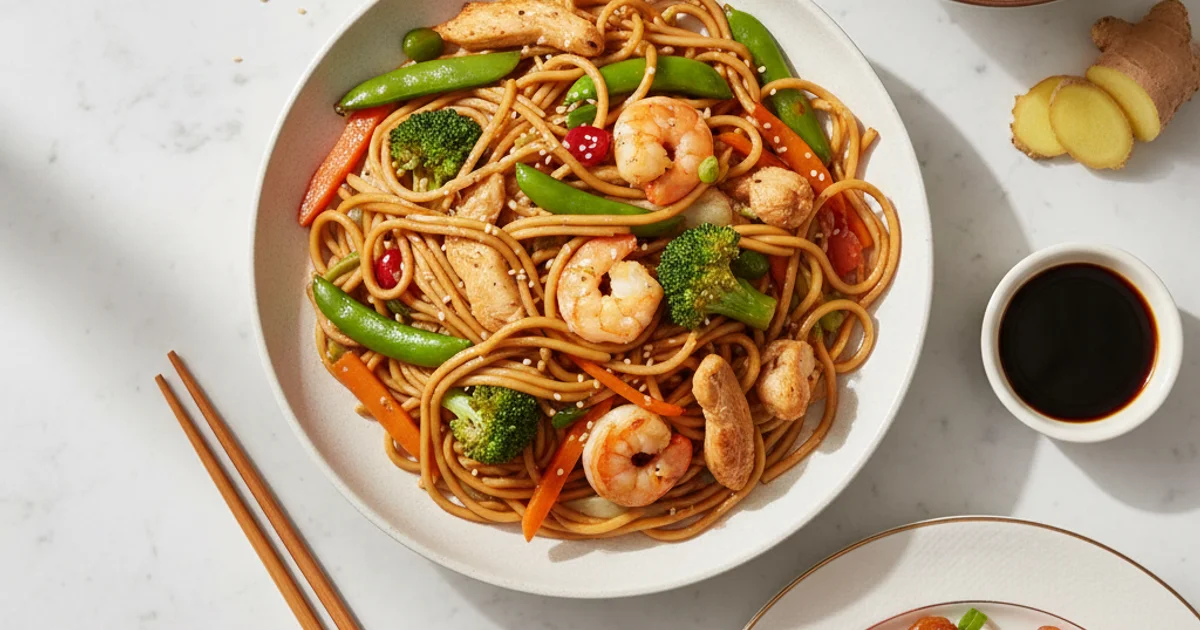
Craving Chinese food but need it gluten-free? Discover if Chinese food is gluten-free, plus a fantastic gluten-free lo mein recipe and tips for gluten-free Chinese dishes.
- 1Is Chinese Food Gluten-Free? Navigating the Delicious World of Gluten-Free Asian Recipes
- 2Why You’ll Love This Gluten-Free Lo Mein Recipe: Your Answer to ‘Is Chow Mein Gluten-Free?’
- 3Ingredients Overview: Crafting Your Gluten-Free Lo Mein Masterpiece
- 4Essential Equipment You’ll Need for Gluten-Free Chinese Dishes
- 5Step-by-Step Instructions: Mastering Your Gluten-Free Lo Mein (It’s Easier Than You Think!)
- 6Pro Tips & Tricks for Perfect Gluten-Free Chinese Food Recipes
Ingredients
For the Gluten-Free Lo Mein Noodles
- 8 oz gluten-free spaghetti or linguine (rice noodles also work)
- 1 tbsp sesame oil
For the Stir-Fry
- 1 tbsp olive oil or avocado oil
- 1 lb boneless, skinless chicken breast or shrimp, sliced thin (optional)
- 1 cup sliced carrots
- 1 cup chopped cabbage
- 1/2 cup sliced bell peppers (any color)
- 1/2 cup snow peas
- 2 cloves garlic, minced
- 1 tbsp fresh ginger, grated
- 2 green onions, sliced (for garnish)
For the Gluten-Free Lo Mein Sauce
- 1/4 cup gluten-free tamari or gluten-free soy sauce
- 2 tbsp rice vinegar
- 1 tbsp sesame oil
- 1 tbsp brown sugar or maple syrup
- 1 tsp cornstarch or arrowroot powder
- 1/4 cup water or chicken/vegetable broth
Instructions
Instructions
Cook gluten-free noodles according to package directions until al dente. Drain, rinse with cold water, and toss with 1 tbsp sesame oil to prevent sticking. Set aside.
Instructions
In a small bowl, whisk together all sauce ingredients (tamari, rice vinegar, sesame oil, brown sugar, cornstarch, water/broth) until smooth. Set aside.
Instructions
Heat 1 tbsp olive oil in a large wok or skillet over medium-high heat. If using chicken or shrimp, add to the pan and cook until browned and cooked through. Remove and set aside.
Instructions
Add carrots to the wok and stir-fry for 2-3 minutes. Add cabbage and bell peppers, stir-fry for another 2 minutes.
Instructions
Add minced garlic and grated ginger to the vegetables, stir-fry for 30 seconds until fragrant.
Instructions
Return cooked chicken/shrimp (if using) to the wok. Add the cooked gluten-free noodles and pour the prepared sauce over everything.
Instructions
Toss vigorously with tongs until all ingredients are well combined and the noodles are coated with the sauce, and the sauce has thickened slightly (about 1-2 minutes).
Instructions
Remove from heat, garnish with sliced green onions, and serve immediately.
Recipe FAQs
Is all soy sauce gluten-free?
What Chinese dishes are gluten-free naturally?
Can I use any gluten-free noodles for lo mein?
How do I make this lo mein spicier?
Is 'thai lo mein' inherently gluten-free?
Where can I find gluten-free Chinese food near me?
GF Chinese Food? Lo Mein & More!
Craving Chinese food but need it gluten-free? Discover if Chinese food is gluten-free, plus a fantastic gluten-free lo mein recipe and tips for gluten-free Chinese dishes.
Prep Time
15 min
Cook Time
20 min
Total Time
35 min
For the Gluten-Free Lo Mein Noodles
- 8 oz gluten-free spaghetti or linguine (rice noodles also work)
- 1 tbsp sesame oil
For the Stir-Fry
- 1 tbsp olive oil or avocado oil
- 1 lb boneless, skinless chicken breast or shrimp, sliced thin (optional)
- 1 cup sliced carrots
- 1 cup chopped cabbage
- 1/2 cup sliced bell peppers (any color)
- 1/2 cup snow peas
- 2 cloves garlic, minced
- 1 tbsp fresh ginger, grated
- 2 green onions, sliced (for garnish)
For the Gluten-Free Lo Mein Sauce
- 1/4 cup gluten-free tamari or gluten-free soy sauce
- 2 tbsp rice vinegar
- 1 tbsp sesame oil
- 1 tbsp brown sugar or maple syrup
- 1 tsp cornstarch or arrowroot powder
- 1/4 cup water or chicken/vegetable broth
Is Chinese Food Gluten-Free? Navigating the Delicious World of Gluten-Free Asian Recipes
Many people wonder, is Chinese food gluten free? This is a question I hear often in my kitchen. The truth is, traditional Chinese cuisine frequently incorporates ingredients that contain gluten. Think about classic dishes like lo mein or chow mein. Those delicious, chewy noodles are typically made from wheat flour. Furthermore, a foundational ingredient in nearly all Chinese cooking, soy sauce, traditionally contains wheat. This can be a significant hurdle for those following a gluten-free diet.
Here’s the thing, navigating restaurant menus or even cooking at home can feel like a minefield when you’re trying to avoid gluten. Beyond the obvious noodles, many sauces and marinades rely on wheat-based soy sauce for their depth of flavor. Even seemingly innocuous ingredients like some thickening agents or fried coatings can hide gluten. What I discovered, however, is that with a bit of knowledge and some smart substitutions, enjoying gluten-free Chinese food recipes is not only possible but incredibly rewarding. You don’t have to give up your favorite flavors.
In practice, the landscape for gluten-free Asian recipes has transformed significantly over the past decade. More and more brands are offering gluten-free alternatives for staples like soy sauce (tamari is your best friend!). Many recipes can be easily adapted to be gluten-free. For instance, creating a satisfying gluten free lo mein or even a flavorful gluten free chow mein is entirely achievable with the right ingredients. This allows you to recreate those beloved restaurant dishes right in your own home. The challenge isn’t whether is Chinese food gluten free in its original form, but rather how easily it can be adapted. Now, let’s explore how to make those adaptations and enjoy all the vibrant flavors.
Why You’ll Love This Gluten-Free Lo Mein Recipe: Your Answer to ‘Is Chow Mein Gluten-Free?’
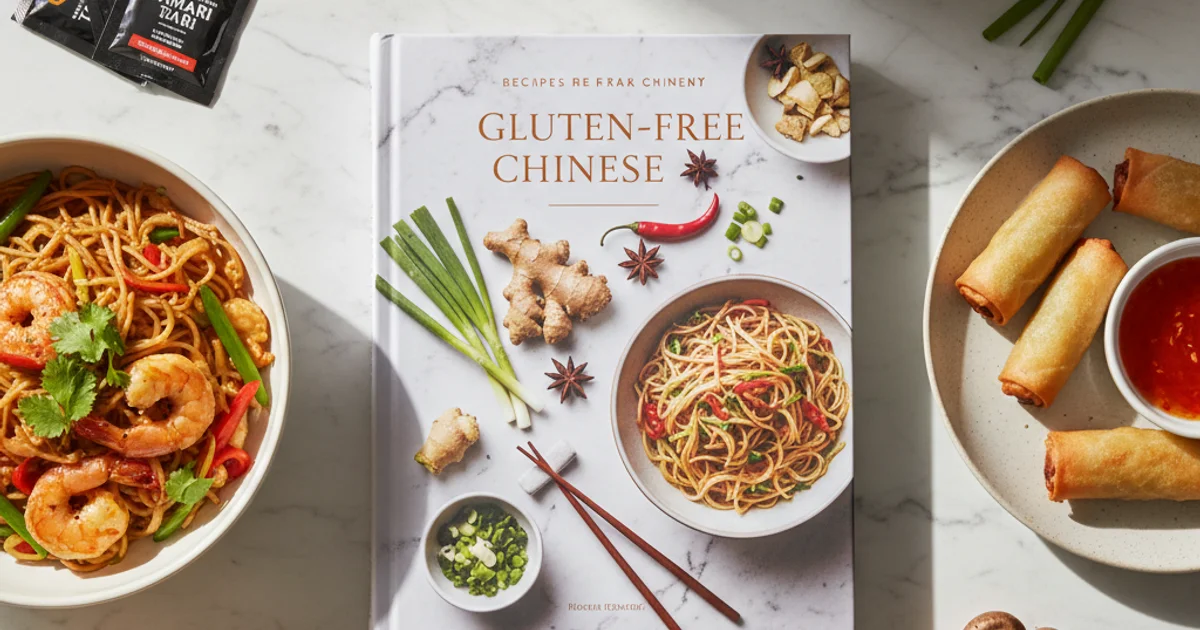
Here’s the thing: many people wonder, “is chinese food gluten free?” This recipe directly addresses that common concern with a truly satisfying answer. What I love about this gluten-free lo mein is how it perfectly captures that beloved takeout flavor. You get all the savory goodness, the tender noodles, and that unmistakable umami punch, all without a speck of gluten. It’s a revelation for anyone who thought their days of enjoying classic Chinese noodle dishes were over.
Building on this, I always prioritize convenience in my kitchen. This recipe is designed for busy weeknights, coming together in less than 30 minutes. From prep to plate, you won’t be slaving over the stove for hours. That satisfying sizzle of vegetables hitting the pan and the quick toss of the noodles make it an ideal choice when time is short but you crave something substantial and flavorful. It truly makes enjoying gluten-free Chinese food recipes effortless.
A common mistake is thinking that gluten-free means sacrificing taste or texture. Not with this lo mein! The trick is using the right ingredients, and I’ll guide you through those choices. This dish is also incredibly adaptable, meaning you can easily customize it to your family’s preferences. Want more chicken? Go for it. Love extra broccoli? Pile it in. This flexibility makes it a staple in my rotation of gluten-free Asian recipes. You’ll notice that this recipe provides a safe and satisfying meal for those with gluten sensitivities or Celiac disease, definitively answering the “is chow mein gluten-free” dilemma with a resounding “yes, this lo mein is!” It’s a delicious and worry-free way to enjoy a classic.
Ingredients Overview: Crafting Your Gluten-Free Lo Mein Masterpiece
Here’s the thing, building a truly satisfying gluten-free lo mein starts with understanding each component. You’re not just swapping ingredients; you’re creating a symphony of flavors and textures. What I love about this approach is the control it gives you over the final dish.
For the crucial gluten-free noodles, you have several excellent choices. I always reach for rice vermicelli when I want a lighter texture that absorbs sauce beautifully. Another great option is gluten-free spaghetti or linguine, which mimics the chewiness of traditional lo mein noodles. You can even experiment with sweet potato noodles for a unique, slightly chewier bite. The trick is to cook them al dente according to package directions, then rinse them well under cold water to prevent sticking. This step is essential for that perfect lo mein texture.
The most critical substitution for any gluten-free oriental recipes is gluten-free soy sauce or tamari. Regular soy sauce contains wheat, making it unsuitable. Tamari is a Japanese soy sauce variety that is naturally gluten-free. Always look for a certified gluten-free label to be absolutely sure. This ingredient provides the deep, umami backbone of your sauce, so don’t skimp on quality.
Building on this, sesame oil is non-negotiable for that authentic Asian aroma. A little goes a long way, adding a nutty depth that ties everything together. For aromatics, fresh ginger and garlic are paramount. Skip the pre-minced jars; grating fresh ginger and mincing fresh garlic provides a brighter, more pungent flavor. This fresh foundation elevates the entire dish.
A common mistake is underestimating the power of fresh vegetables. I pack my lo mein with vibrant, crisp veggies. Think thinly sliced carrots for sweetness and crunch, shredded cabbage for bulk and a subtle earthy note, and colorful bell peppers for a touch of sweetness. Snow peas add a lovely snap, while broccoli florets contribute heartiness and nutrition. The trick is to cook them just until tender-crisp, maintaining their vibrant color and texture.
For protein, you have complete flexibility. Sliced chicken breast or shrimp are classic choices. Tofu provides a fantastic plant-based option, especially when pressed and pan-fried until golden. Thinly sliced beef also works wonderfully. The key is to cook your protein separately until just done, then add it back at the end to prevent overcooking.
To achieve that signature silky sauce, cornstarch or arrowroot powder is your friend. Ensure you use a certified gluten-free brand. This thickener creates a glossy coating for your noodles and vegetables. Rice vinegar adds a necessary touch of acidity, balancing the richness of the soy sauce. Finally, a pinch of sugar or a natural sweetener like maple syrup helps to round out the flavors, creating a harmonious sauce. You’ll use water or broth to thin the sauce to the perfect consistency.
Essential Equipment You’ll Need for Gluten-Free Chinese Dishes
In my kitchen, having the right tools makes all the difference, especially when tackling a new dish. You don’t need a professional setup to make fantastic gluten free lo mein, but a few key pieces of equipment will streamline your cooking process. These items help achieve that authentic texture and flavor you crave in gluten free chinese food recipes. Trust me on this one, having everything at hand prevents stress and ensures a smoother experience.
First up, a large wok or skillet is non-negotiable. This isn’t just for show; its wide surface and sloped sides are crucial for proper stir-frying. A good wok allows ingredients to cook quickly and evenly, developing that desirable slight char often called ‘wok hei’ in traditional cooking, even if you’re just using a standard home burner. Without adequate space, your ingredients will steam instead of fry, leading to a soggy outcome, which is definitely not what we want for this dish. What I discovered is that a carbon steel wok, properly seasoned, offers superior heat distribution and a natural non-stick surface over time.
Next, you’ll need a large pot for cooking your gluten-free noodles. Ample water and space prevent sticking and ensure the noodles cook uniformly to the perfect al dente texture. A pot with a lid can also come in handy if you need to keep the noodles warm while you finish the stir-fry. Building on this, a whisk is essential for thoroughly combining your sauce ingredients. Lumps in your sauce can ruin the smooth consistency, and a whisk makes quick work of emulsifying everything together.
For ingredient prep, a sturdy cutting board and a sharp knife are your best friends. Proper knife skills make chopping vegetables and proteins a breeze, ensuring uniform pieces that cook at the same rate. This consistency is vital for a balanced stir-fry. You’ll also want measuring cups and spoons to ensure accuracy, especially with the delicate balance of flavors in Asian cuisine. The secret is that precise measurements prevent your dish from being too salty, too sweet, or lacking depth. Finally, a pair of tongs or a spatula for tossing and stirring the ingredients in the wok, and a small bowl for mixing your sauce before adding it to the pan, complete your essential toolkit. Having these items ready will make preparing gluten free chinese dishes a joy.
Step-by-Step Instructions: Mastering Your Gluten-Free Lo Mein (It’s Easier Than You Think!)
-
Prep Ingredients: Begin by preparing all your fresh ingredients. Thoroughly wash and chop your chosen vegetables into bite-sized pieces, mince the garlic and ginger finely, and cook your protein (chicken, beef, tofu, or shrimp) according to your preferred method until it is fully cooked and ready to be added.
-
Cook Noodles: Bring a large pot of water to a rolling boil. Add your chosen gluten-free lo mein noodles and cook them according to the package directions, being careful not to overcook; they should be perfectly al dente. Once cooked, drain the noodles immediately and rinse them thoroughly with cold water to prevent sticking and stop the cooking process.
-
Make the Sauce: In a small bowl, combine all the sauce ingredients: gluten-free soy sauce or tamari, rice vinegar, sesame oil, cornstarch, and a touch of honey or maple syrup if desired. Whisk everything together vigorously until the cornstarch is completely dissolved and the sauce is smooth and well-combined.
-
Stir-Fry Veggies: Heat one tablespoon of sesame oil or your preferred high-heat cooking oil in a large wok or skillet over medium-high heat until shimmering. Add the minced garlic and grated ginger, stirring constantly for about 30 seconds until fragrant. Next, add the harder vegetables such as sliced carrots and bell peppers, stir-frying for 2-3 minutes until they begin to soften. Finally, incorporate the softer vegetables like sliced cabbage and bean sprouts, cooking for another 1-2 minutes until they are tender-crisp.
-
Combine & Toss: Add your cooked gluten-free protein (if using), the prepared gluten-free lo mein noodles, and the entire sauce mixture to the wok with the stir-fried vegetables. Using tongs or two spatulas, toss all the ingredients vigorously for 1-2 minutes, ensuring everything is evenly coated in the delicious sauce and thoroughly heated through.
-
Serve Immediately: Transfer the gluten-free lo mein directly from the wok to individual serving bowls. For the best flavor and texture, serve this dish hot and fresh.
-
To prevent soggy noodles, avoid overcooking them; they should be al dente, and you can rinse them with cold water immediately after draining to halt the cooking process. For crisp-tender vegetables, add them to the pan towards the end of the cooking process, stirring just until they are heated through and retain a slight bite.
Pro Tips & Tricks for Perfect Gluten-Free Chinese Food Recipes
Here’s the thing: cooking truly great gluten-free Asian food, especially stir-fries, comes down to technique. I always tell my students that preparation is half the battle. Mise en place, a French culinary term meaning “everything in its place,” is absolutely critical here. Get all your vegetables chopped, your sauce mixed, and your protein sliced before you even turn on the stove. This ensures a smooth cooking process, preventing any frantic chopping while your wok is smoking hot.
A common mistake is trying to cook too much at once. High heat and quick cooking are hallmarks of stir-frying. If you overcrowd your wok or pan, the temperature drops dramatically. This leads to steaming instead of searing, resulting in soggy vegetables and protein that doesn’t brown properly. In my kitchen, I often cook in smaller batches, especially the protein, to achieve that satisfying sizzle and beautiful caramelization. You’ll notice that this method yields much better texture and flavor, particularly with gluten free chinese food recipes.
Worth noting here, gluten-free noodles can be quite delicate. They don’t behave exactly like their wheat-based counterparts. The secret is to cook them just until al dente, following package directions closely, and then immediately rinse them with cold water to stop the cooking process. This prevents them from becoming mushy, which is a common complaint with overcooked gluten free lo mein. Overcooking them will result in a gummy texture that nobody enjoys.
Building on this, mastering your sauce consistency is vital. If your sauce is too thin, it won’t coat the noodles and vegetables properly. If it’s too thick, it can become gloopy. I often use a cornstarch slurry (cornstarch mixed with an equal amount of cold water) to thicken sauces, adding it slowly at the end of cooking until it reaches the desired thickness. For a deeper understanding of starches and their role in cooking, I recommend checking out this comprehensive guide to cornstarch. Remember, you can always add more, but you can’t easily take it away.
What I discovered is that true flavor balance comes from tasting and adjusting. Don’t be afraid to sample your dish before serving. You might find it needs a pinch more salt, a splash of rice vinegar for brightness, or a touch more sweetener to round out the flavors. This iterative process is how you truly personalize your gluten free asian recipes. A well-balanced sauce will hit all the notes: savory, sweet, tangy, and a hint of umami.
Finally, don’t underestimate the power of a good marinade for your protein. Even 15-20 minutes in a simple marinade of gluten-free soy sauce, a touch of sesame oil, ginger, and garlic can significantly enhance the flavor and tenderness of chicken, beef, or tofu. This step is particularly beneficial for gluten free chinese dishes, adding depth that transforms a good meal into a great one. It’s a small effort that yields big returns in terms of taste and texture.
Enjoyed this recipe? Share it with a friend or save it to your board for later. Leave a comment below — I love hearing how it turned out!
You May Also Enjoy





You Might Also Love These 🍽️
Recipes picked just for you based on what you’re cooking