Yes! Delicious Gluten-Free Cornbread
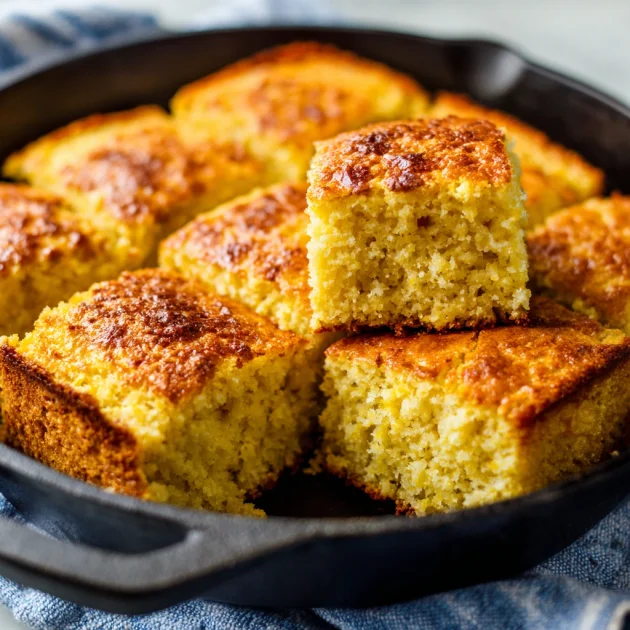
Wondering 'does cornbread have gluten'? Find out and master a delicious gluten-free cornbread recipe perfect for a 12-inch cast iron pan, using whole grain cornmeal!
- 1Does Cornbread Have Gluten? Unveiling the Truth & Our Best Recipe
- 2Why You’ll Love This Irresistible Gluten-Free Cornbread Recipe
- 3Essential Ingredients for Our Gluten-Free Cornbread: From Whole Grain Cornmeal to Sorghum Flour
- 4Equipment You’ll Need for Baking the Best Gluten-Free Cornbread in Your 12-Inch Cast Iron Pan
- 5Step-by-Step Instructions: Mastering Your Gluten-Free Cornbread
- 6Pro Tips & Tricks for Superb Gluten-Free Cornbread: Achieving Perfect Texture & Flavor
Ingredients
Dry Ingredients
- 1.5 cups gluten-free whole grain cornmeal (e.g., Bob's Red Mill or Quaker)
- 0.5 cup sorghum flour
- 2 tablespoons granulated sugar (or sweetener of choice for sugar-free)
- 1 tablespoon baking powder
- 0.5 teaspoon baking soda
- 1 teaspoon salt
Wet Ingredients
- 1.5 cups buttermilk (or plant-based milk for dairy-free)
- 2 large eggs (or flax eggs for egg-free)
- 0.5 cup unsalted butter, melted (or neutral oil for dairy-free)
Instructions
Prepare Oven and Pan
Preheat your oven to 400°F (200°C) with a 12-inch cast iron pan placed inside. Allowing the pan to heat up with the oven is crucial for a crispy crust.
Combine Dry Ingredients
In a large mixing bowl, whisk together the gluten-free whole grain cornmeal, sorghum flour, granulated sugar, baking powder, baking soda, and salt until they are thoroughly combined.
Combine Wet Ingredients
In a separate medium bowl, whisk together the buttermilk (or plant-based milk), large eggs (or flax eggs), and melted unsalted butter (or neutral oil) until the mixture is smooth.
Mix Batter
Pour the wet ingredients into the bowl with the dry ingredients. Mix gently with a spatula or whisk until the ingredients are just combined. Avoid overmixing, as this can lead to a tough cornbread.
Prepare Hot Pan
Carefully remove the hot cast iron pan from the oven using oven mitts. Add about a tablespoon of unsalted butter or neutral oil to the pan, tilting it to ensure the bottom and sides are evenly coated. The butter/oil should sizzle immediately.
Pour and Bake
Quickly pour the cornbread batter into the hot, greased pan and spread it evenly with a spatula. Place the pan back into the preheated oven.
Bake Cornbread
Bake for 20-25 minutes, or until the top is golden brown and a toothpick inserted into the center of the cornbread comes out clean.
Cool and Serve
Allow the cornbread to cool in the pan for at least 10 minutes before slicing into wedges and serving warm. This helps it set and prevents crumbling.
Equipment You'll Need
Here's what I use to make this recipe perfectly every time:
- Large Mixing Bowl — This bowl provides ample space for thoroughly combining both the dry and wet gluten-free cornbread ingredients without spills. → Buy Now
- Measuring Cups and Spoons — Precise measurement is crucial for gluten-free baking to ensure the correct texture and rise of your cornbread. → Buy Now
- 9- or 10-inch Cast Iron Skillet — A cast iron skillet provides superior heat retention and even baking, producing a perfectly crispy crust vital for delicious cornbread. → Buy Now
- Whisk — A whisk helps to thoroughly combine the gluten-free flours and other dry ingredients, preventing lumps and ensuring an even texture. → Buy Now
Recipe FAQs
Does cornbread have gluten, or is it naturally gluten-free?
What's the best type of cornmeal to use for a gluten-free cornbread recipe?
Can I make this cornbread without a 12-inch cast iron pan?
How can I make this gluten-free cornbread dairy-free and egg-free?
What's the difference between cornmeal and corn flour?
Is gluten-free cornbread a healthy option?
Yes! Delicious Gluten-Free Cornbread
Wondering 'does cornbread have gluten'? Find out and master a delicious gluten-free cornbread recipe perfect for a 12-inch cast iron pan, using whole grain cornmeal!
Prep Time
15 min
Cook Time
25 min
Total Time
40 min
Dry Ingredients
- 1.5 cups gluten-free whole grain cornmeal (e.g., Bob's Red Mill or Quaker)
- 0.5 cup sorghum flour
- 2 tablespoons granulated sugar (or sweetener of choice for sugar-free)
- 1 tablespoon baking powder
- 0.5 teaspoon baking soda
- 1 teaspoon salt
Wet Ingredients
- 1.5 cups buttermilk (or plant-based milk for dairy-free)
- 2 large eggs (or flax eggs for egg-free)
- 0.5 cup unsalted butter, melted (or neutral oil for dairy-free)
Does Cornbread Have Gluten? Unveiling the Truth & Our Best Recipe
It’s a common misconception in the kitchen: people often assume that because it’s called ‘cornbread,’ it must be inherently gluten-free. I always get questions about this at potlucks. Many home bakers simply associate corn with being naturally free of gluten.
Here’s the thing. While corn itself is gluten-free, traditional cornbread recipes frequently include wheat flour. This could be a small amount for texture or a larger portion. Those classic all purpose flour recipes are not gluten-free at all.
So, when people ask me does cornbread have gluten, my answer is usually “it depends.” Unless specifically stated, most conventional recipes do contain gluten. This is a crucial distinction for those with celiac disease or gluten sensitivities.
But trust me on this one, you don’t have to miss out. What I discovered years ago is how to create genuinely delicious gluten-free cornbread. It offers all the comforting flavor and satisfying texture without any compromise. You get that same golden crumb and crispy edge.
The secret is in selecting the right ingredients. We rely on high-quality whole grain cornmeal as our foundation. Combining this with specific corn flour gluten free options creates the perfect structure. Brands like Bob’s Red Mill cornmeal are reliable choices in my pantry.
This careful selection ensures a final product that truly shines. Our old fashioned cornbread recipe captures all the nostalgic essence you crave. It’s perfect for slathering with butter or enjoying alongside chili. You’ll notice that the texture is moist and never crumbly.
Knowing your ingredients makes all the difference for a tailored diet. For those managing allergies, understanding that corn meal gluten free varieties exist is incredibly empowering. It helps answer the important question, is corn bread healthy, for their specific needs.
This recipe provides a reliable and tasty solution. It delivers on flavor, texture, and dietary needs. Say goodbye to bland alternatives or store-bought gluten free corn bread mix that often fall short. We’ll guide you to bake a beautiful, wholesome loaf every time.
Why You’ll Love This Irresistible Gluten-Free Cornbread Recipe
What I love about this particular gluten-free cornbread is its undeniable comfort. Imagine the aroma filling your kitchen as it bakes. You’ll be greeted by golden brown edges and a tender, moist crumb.
Building on this, the texture and flavor truly capture the essence of an old fashioned cornbread recipe. My goal was always to achieve that classic satisfaction. This recipe proves that exceptional taste is possible, even when considering the question of does cornbread have gluten.
The secret is in the simplicity of our ingredients for this dish. We bypass complicated flour blends entirely. Instead, this recipe proudly features naturally gluten free corn meal, such as a quality whole grain cornmeal.
Here are some reasons you will adore this cornbread:
- It uses straightforward, wholesome ingredients.
- You get that desired crispy crust and soft interior.
- It is perfectly sized for your trusted cast iron skillet.
- This version accommodates various dietary needs easily.
- It comes together quickly for any meal.
You’ll notice that this recipe is specifically designed for your 12 inch cast iron pan. Baking in cast iron ensures a perfectly golden crust. It also guarantees a beautifully even cook throughout the entire bread.
In my kitchen, versatility is always key. This cornbread allows for easy adjustments if you need a cornbread dairy free gluten free option. I also include notes on making a delightful cornbread recipe without eggs. Substitutions like yogurt replacement in baking can make it inclusive for everyone.
The trick is how effortlessly this treat comes together. It is a straightforward recipe, perfect for home cooks. You can have warm, freshly baked cornbread on your table in no time at all.
Essential Ingredients for Our Gluten-Free Cornbread: From Whole Grain Cornmeal to Sorghum Flour
Building on this, mastering gluten-free baking begins with understanding each ingredient’s unique contribution. In my kitchen, I always emphasize quality components for the best texture and flavor. This meticulous selection ensures the success of any old fashioned cornbread recipe, especially when considering does cornbread have gluten.
Here are the essential ingredients we’ll be using for this recipe:
-
Whole Grain Cornmeal (Gluten-Free): This is undeniably the star, providing that signature grainy texture and sweet corn flavor. I always choose certified ‘corn meal gluten free’ varieties like Bob’s Red Mill Cornmeal or Quaker Corn Meal. You’ll notice that the grind, whether fine, medium, or coarse, significantly impacts the final crumb of this dish. This pure ground corn is fundamental.
-
Sorghum Flour: A truly versatile gluten-free flour, sorghum adds remarkable tenderness and a subtle sweetness. It provides structure, preventing this cornbread from becoming too crumbly, a common issue with some gluten free corn bread mix options. I rely on sorghum flour in many sorghum flour recipes for its excellent baking qualities and light color.
-
Corn Starch or Tapioca Starch: These light starches are crucial for a lighter, more delicate crumb in the cornbread. They also act as binders, helping to hold everything together beautifully. The trick is using just enough to achieve that perfect, airy balance, ensuring the cornbread doesn’t become dense.
-
Baking Powder & Baking Soda: These are our trusty leavening agents, responsible for the airy rise and fluffy texture of the cornbread. They react with the acidic components in the batter, creating those satisfying bubbles within. This ensures a light rather than heavy final product, which is key to great cornbread.
-
Salt: Never underestimate the power of a pinch of salt. It doesn’t just make things salty; it balances and enhances all the other flavors present in this recipe. Without it, the cornbread can taste flat and uninspired, lacking depth.
-
Granulated Sugar or Sweetener: This ingredient is truly optional, allowing for flexibility in the cornbread’s sweetness profile. You can adjust the amount for a sweeter treat or omit it entirely for a savory experience. For a sugar free cornbread recipe, simply leave it out or use an appropriate alternative.
-
Melted Butter or Neutral Oil: Both options lend moisture, richness, and contribute to a beautiful golden crust on the cornbread. For a cornbread dairy free gluten free version, I often reach for a high-quality neutral oil like grapeseed or sunflower. This substitution is seamless and maintains excellent flavor.
-
Buttermilk or Plant-Based Milk: The liquid component, buttermilk, interacts perfectly with baking soda for a tender, moist crumb. For those needing cornbread without milk, unsweetened almond, soy, or oat milk work wonderfully as alternatives. A little apple cider vinegar added to plant milk can mimic buttermilk’s tang, which is a great yogurt replacement in baking.
-
Eggs: Eggs are vital for binding the ingredients, providing essential structure, and adding richness to the cornbread. What I discovered is that for a cornbread recipe without eggs, flax or chia eggs can be surprisingly effective substitutes. These alternatives still offer good binding properties for the batter, contributing to a cohesive crumb.
The judicious selection and combination of these specific ingredients ensures a truly satisfying gluten-free cornbread experience that stands up to any traditional recipe.
Equipment You’ll Need for Baking the Best Gluten-Free Cornbread in Your 12-Inch Cast Iron Pan
Here’s the thing, having the right tools truly makes all the difference in the kitchen. For a truly exceptional gluten-free cornbread, specific equipment streamlines the entire process. Using the proper items also ensures consistent, delicious results every time.
The star of our baking show is undoubtedly the 12-inch cast iron pan. This pan is absolutely essential for achieving that signature texture. I always preheat it thoroughly in a hot oven. That intense heat instantly sears the batter upon contact. This forms a rich, crispy, golden-brown crust. This method delivers that coveted old fashioned cornbread recipe perfection.
- 12-Inch Cast Iron Pan: Provides superior, even heat distribution. It is crucial for creating a magnificent crackling exterior. Always remember to preheat your pan thoroughly for the best crust.
- Large Mixing Bowls (x2): Designate one for dry ingredients and one for wet. This prevents overmixing, a common issue in gluten-free baking. It ensures uniform combining of all components.
- Whisk: A sturdy balloon whisk works wonders here. Use it vigorously to aerate your dry flours, like sorghum flour. It also blends your liquid ingredients together smoothly and thoroughly.
- Measuring Cups and Spoons: Precision is paramount in gluten-free recipes. Accurate measurements prevent a dense or crumbly loaf. This is especially true when working with varying whole grain cornmeal grinds.
- Rubber Spatula: Ideal for gently folding the wet and dry mixtures. It helps you scrape down the sides of your bowls completely. This minimizes waste and ensures all batter makes it into the pan.
- Oven Mitts: Safety should always come first in a hot kitchen. Always use reliable, heat-resistant oven mitts. They protect your hands when handling that screaming hot cast iron pan.
In my kitchen, I always ensure my measuring tools are reliable. They help avoid common pitfalls when working with alternative flours. Getting the ratios exactly right is crucial. This ensures a tender, moist crumb.
In practice, a well-seasoned cast iron pan also imparts a subtle, desirable flavor. It really enhances the natural depth of the ground corn used in this specific dish. This gives the treat an authentic taste. A properly maintained cast iron pan will last a lifetime. It becomes a treasured, often-used kitchen item.
Here are a few tips for maintaining your cast iron pan:
- Always clean it immediately after use.
- Avoid harsh soaps; typically hot water and a brush suffice.
- Dry it thoroughly on the stovetop to prevent rust.
- Apply a thin layer of oil after each cleaning.
You’ll notice that separating dry and wet ingredients prevents over-activation of starches. This approach maintains the delicate balance needed for this specific treat. It ensures the final texture is beautifully light. The cornbread will not be tough or chewy.
| Tool Type | Best Use Case | Why It Matters for Gluten-Free |
|---|---|---|
| Balloon Whisk | Aerating dry flours, emulsifying wet blends | Prevents lumps; ensures even distribution of binders. |
| Rubber Spatula | Gentle folding, scraping bowls clean | Prevents overmixing; preserves delicate crumb. |
A common mistake is using a cold pan. This will result in a soggy crust. Trust me on this one; preheating the cast iron pan is non-negotiable. It creates that irresistible texture.
Beyond the main tools, these items also prove very helpful:
- Fine-mesh Sieve: Ideal for sifting dry ingredients. Removes any lumps from your cornmeal mix or flours. Ensures a smoother, more uniform batter consistency.
- Wire Cooling Rack: Allows air circulation around your baked cornbread. Prevents the bottom from becoming soggy. Essential for maintaining that perfect crust.
- Pastry Brush: Useful for oiling your cast iron pan. Ensures an even coating for non-stick results. Contributes to that golden crust.
The trick is not just possessing the tools, but understanding their specific purpose. Each item plays a vital role in transforming simple ingredients. This results in truly comforting gluten-free cornbread. The right equipment makes the entire baking experience more enjoyable and much more successful.
Step-by-Step Instructions: Mastering Your Gluten-Free Cornbread
-
Preheat Oven & Pan I always begin by setting my oven for baking. Preheat it to a steady 400°F (200°C). Place your empty 12 inch cast iron pan directly into the cold oven. This ensures the pan heats up gradually and evenly. A properly hot pan is crucial for achieving that signature crispy crust. You’ll notice this makes a significant difference in texture.
-
Combine Dry Ingredients Next, gather all your dry components. In a spacious mixing bowl, combine the whole grain cornmeal. Add the sorghum flour for a tender crumb. Whisk in your leavening agents, baking powder and baking soda. A pinch of fine sea salt enhances all the flavors. Finally, incorporate your preferred granulated sugar. Mix these thoroughly with a whisk until they are uniformly combined.
-
Combine Wet Ingredients In a separate, medium-sized bowl, prepare the liquid elements. Whisk together the milk or buttermilk of your choice. Add the large eggs, if your specific recipe includes them. Melted unsalted butter or a neutral cooking oil goes in next. Ensure these wet ingredients are fully blended. This creates a cohesive and smooth liquid mixture.
-
Gentle Mixing In practice, combining wet and dry ingredients requires a light touch. Pour the wet mixture directly into the bowl of dry ingredients. Stir gently using a sturdy spoon or a rubber spatula. Mix only until the flour streaks disappear. A few small lumps are perfectly acceptable and even preferred. Overmixing can over-develop the starches. This leads to a tough, rather than tender, cornbread.
-
Pour into Hot Pan & Bake Carefully remove the blazing hot 12 inch cast iron pan from the oven. Add a tablespoon of butter or oil to the hot pan. Swirl it immediately to coat the bottom and sides thoroughly. The fat should sizzle satisfyingly upon contact. Pour the prepared batter evenly into the preheated pan. Trust me on this one; the sizzle promises a great crust. Bake for 20-25 minutes, keeping a close eye on it. Look for edges that are beautifully golden brown. A wooden skewer inserted into the center should emerge clean. My kitchen often fills with a warm, comforting aroma at this stage. You can refer to this guide on safe internal temperatures for various baked goods.
-
Cooling Once this old fashioned cornbread recipe is baked, promptly remove the pan from the oven. Place the entire cast iron pan onto a sturdy wire rack. Allow the cornbread to cool for at least 10-15 minutes before attempting to slice it. This crucial cooling period allows the internal structure to set. It prevents crumbling when you slice this dish.
Pro Tips & Tricks for Superb Gluten-Free Cornbread: Achieving Perfect Texture & Flavor
A common mistake is believing gluten-free batters can withstand heavy mixing. In my kitchen, I always emphasize a gentle touch. Overmixing this recipe can lead to a dense, crumbly texture. You’ll notice that gluten-free flours behave differently than wheat flour.
The trick is achieving that signature crispy crust on your cornbread. I always preheat my 12 inch cast iron pan until it’s sizzling hot. Add a generous amount of oil or butter to the hot pan before pouring the batter. This creates a beautifully golden brown bottom layer, much like an old fashioned cornbread recipe.
- Room Temperature Ingredients: Trust me on this one, using room temperature eggs and milk truly makes a difference. Cold ingredients can cause melted fats in the batter to seize up. This results in a lumpy mix and uneven baking.
- Checking for Doneness: Don’t let your cornbread dry out. To check for doneness, insert a toothpick into the center of the loaf. If it comes out clean, your cornbread is perfectly baked. Overbaking is the enemy of a moist crumb.
Here’s what actually works for selecting your cornmeal for this dish. Not all cornmeal is created equal. Whole grain cornmeal offers a richer flavor and coarser texture compared to degerminated varieties. When choosing, always verify its gluten-free status, as cross-contamination can occur. You might encounter specialty products like P.A.N cornmeal flour or even Maseca cornbread recipe ingredients. These offer distinct characteristics; P.A.N. is finely ground and common in Latin American cuisine, while Maseca is masa harina, a nixtamalized corn flour that brings a unique flavor. Understanding different types of cornmeal can elevate your baking Understanding Different Types of Cornmeal.
Worth noting here, you might wonder about polenta cornbread. Polenta is essentially coarsely ground corn. While it can be used to make cornbread, adapting a cornbread from polenta or cornbread using polenta recipe requires careful hydration adjustments. Often, the polenta needs to be cooked first, which is a different process than simply baking with dry cornmeal. This dish relies on the dry whole grain cornmeal for its specific texture.
Building on this, some bakers love the idea of using fresh ground flours. While a fresh ground flour bread recipe can offer superior flavor, for this particular cornbread, the convenience and consistent quality of commercially milled gluten-free flours work best. For instance, brands like Bob’s Red Mill offer reliable cornmeal gluten free options. You can also explore sorghum flour recipes for added texture or protein cornbread variations. This ensures consistent results without extra effort.
Enjoyed this recipe? Share it with a friend or save it to your board for later. Leave a comment below — I love hearing how it turned out!
You May Also Enjoy
You Might Also Love These 🍽️
Recipes picked just for you based on what you’re cooking