Master Chewy Gluten-Free Egg Noodles Today!
Master delicious homemade gluten free egg noodles with our easy recipe! Perfect for soups, casseroles, and more. Say goodbye to gluten, not flavor! #glutenfreeeggNoodles
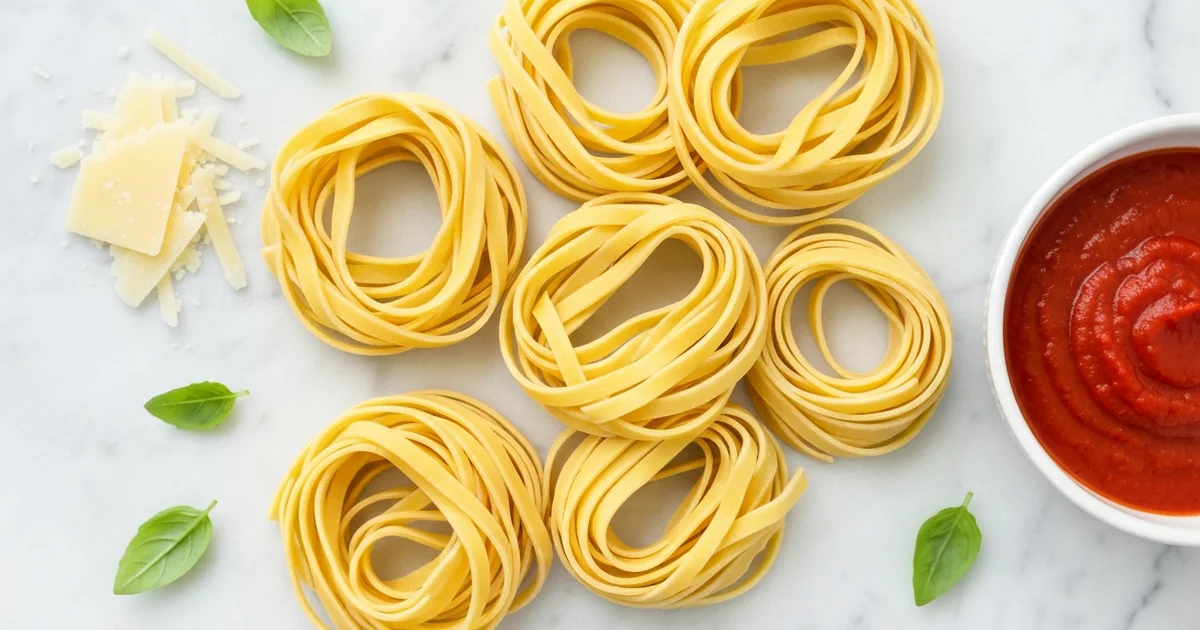
- 1Embracing Deliciousness: Why Gluten Free Egg Noodles Matter
- 2Why You’ll Fall in Love with These GF Egg Noodles
- 3Essential Ingredients for Perfect Gluten-Free Egg Noodle Dough
- 4Equipment You’ll Need for Homemade Flat Egg Noodles
- 5Step-by-Step Guide: Crafting Your Perfect Gluten Free Egg Noodles
- 6Pro Tips & Tricks for Superior Gluten Free Noodle Results
Ingredients
For the Gluten-Free Egg Noodles
- 2 cups (240g) all-purpose gluten-free flour blend (with xanthan gum)
- 1/2 teaspoon xanthan gum (if your blend does not contain it)
- 1/2 teaspoon fine sea salt
- 3 large eggs, room temperature
- 2-4 tablespoons water or milk, as needed
- Extra gluten-free flour for dusting
Instructions
Instructions
Whisk together gluten-free flour blend, xanthan gum (if using), and salt in a large bowl. Make a well in the center.
Instructions
Add eggs to the well. Gradually incorporate flour from the sides, mixing until a shaggy dough forms. Add water or milk 1 tablespoon at a time until the dough comes together.
Instructions
Turn dough onto a lightly floured surface and knead for 5-7 minutes until smooth and pliable. (Or use a stand mixer with a dough hook for 3-5 minutes).
Instructions
Wrap dough tightly in plastic wrap and let rest at room temperature for 30 minutes.
Instructions
Divide dough into 2-3 portions. On a lightly floured surface, roll one portion very thinly with a rolling pin (about 1/16-inch thick) or pass through a pasta machine, gradually decreasing settings until desired thickness is reached (e.g., setting 4-5 on a 7-setting machine).
Instructions
Lightly flour the rolled-out dough and fold it loosely or roll it into a cylinder. Using a sharp knife or pasta cutter, cut into desired noodle widths (about 1/4 to 1/2 inch wide for classic egg noodles).
Instructions
Unroll or gently separate the cut noodles and lay them on a floured baking sheet or pasta drying rack. Allow to dry for 30-60 minutes, or until slightly firm to the touch.
Instructions
Bring a large pot of heavily salted water to a rolling boil. Add the fresh gluten free egg noodles and cook for 2-4 minutes, or until al dente.
Instructions
Drain immediately and toss with a little olive oil or butter to prevent sticking, or add directly to your prepared sauce or soup.
Equipment You'll Need
Here's what I use to make this recipe perfectly every time:
Recipe FAQs
Are regular egg noodles gluten free?
What gluten-free flour works best for egg noodles?
Can I make these gluten free egg noodles without a pasta machine?
How long do homemade gluten-free egg noodles last?
Why are my gluten-free egg noodles gummy?
Can I make these gluten free egg noodles vegan?
Master Chewy Gluten-Free Egg Noodles Today!
Master delicious homemade gluten free egg noodles with our easy recipe! Perfect for soups, casseroles, and more. Say goodbye to gluten, not flavor! #glutenfreeeggNoodles
Prep Time
25 min
Cook Time
5 min
Total Time
30 min
For the Gluten-Free Egg Noodles
- 2 cups (240g) all-purpose gluten-free flour blend (with xanthan gum)
- 1/2 teaspoon xanthan gum (if your blend does not contain it)
- 1/2 teaspoon fine sea salt
- 3 large eggs, room temperature
- 2-4 tablespoons water or milk, as needed
- Extra gluten-free flour for dusting
Embracing Deliciousness: Why Gluten Free Egg Noodles Matter
The comforting aroma of simmering chicken noodle soup fills my kitchen. Hearty beef stroganoff often features those familiar, golden flat noodles. Traditional egg noodles evoke deep comfort and warmth for many.
Here’s the thing. For those navigating a gluten-free lifestyle, the question “are egg noodles gluten free?” always loomed. This often led to culinary disappointment. Recreating cherished comfort meals felt like a constant uphill battle.
You truly deserve gluten-free comfort food that tastes incredible.
What I discovered was the common struggle with many store-bought gluten-free pasta alternatives. These options often disappoint with their bland flavor profiles. Their texture frequently ranges from annoyingly gummy or utterly crumbly.
The key difference is this recipe offers a genuine solution. It allows you to reclaim those beloved, hearty dishes. My homemade gluten free egg noodles deliver authentic flavor and chewiness.
Homemade ensures superior gluten-free results every single time.
Making fresh pasta in my kitchen is always a deeply rewarding experience. This simple process unlocks an entirely new realm of gluten-free cooking creativity. Trust me on this one; you can craft your own comforting gluten free noodels.
Why You’ll Fall in Love with These GF Egg Noodles
For too long, gluten-free pasta has carried the burden of compromise – often too fragile, too gummy, or simply lacking that authentic chew. But what if I told you that perfect, al dente pasta isn’t just possible in a gluten-free kitchen, it’s easily within your reach? After years dedicated to perfecting alternative flour textures, I’m thrilled to share a recipe that delivers everything you’ve craved. These gluten free egg noodles will redefine your expectations, offering a tender yet satisfying bite that elevates every dish. Get ready to rediscover the joy of truly incredible, homemade pasta.
You’re about to fall head over heels for these homemade gluten free egg noodles because they bring back the heart of classic comfort meals without a single compromise.
- Unrivaled Fresh Flavor: Crafted with only the freshest eggs, these noodles boast a subtle yet distinct richness that you simply won’t find in a package. This vibrant flavor acts as the perfect canvas, enhancing your favorite sauces, broths, and stews with an unparalleled depth that speaks of quality and care.
- Surprisingly Simple to Master: Forget the intimidation factor of traditional pasta making. This recipe is meticulously designed to be incredibly straightforward, welcoming even absolute beginners into the world of homemade pasta. With minimal special equipment and clear guidance, you’ll be amazed at how quickly you can achieve professional-quality results right in your own kitchen.
- Incredibly Versatile for Any Meal: The adaptability of these flat egg noodles is truly one of their greatest strengths. They are the quintessential base for an endless array of dishes, seamlessly integrating into everything from a creamy chicken and mushroom casserole to a robust beef and vegetable soup, or even a simple buttered side. You’ll never feel limited in your comfort food repertoire again.
- Easily Customizable to Your Liking: This foundational recipe offers wonderful flexibility, allowing you to easily adapt it to suit various dietary preferences or even to infuse different subtle flavor notes. It’s a versatile starting point that encourages culinary creativity, destined to become a beloved staple in any gluten-free household.
This recipe isn’t just about making noodles; it’s about empowering you to create superior pasta from scratch, embarking on a genuinely satisfying and rewarding culinary journey that will bring immense joy to your table.
Essential Ingredients for Perfect Gluten-Free Egg Noodle Dough
Here’s the thing: crafting the perfect dough for gluten-free egg noodles starts with understanding each ingredient’s specific role. Every element contributes to that sought-after chew and tenderness. It truly makes a difference in the final outcome.
When it comes to the gluten-free flour blend, quality is paramount. I’ve experimented for years, and a good all-purpose blend makes all the difference. Look for one that includes xanthan gum for convenience. This ingredient is key to preventing a crumbly dough texture.
What I discovered is that different blends absorb liquid uniquely. You might need slight adjustments to your liquid content. Some blends are rice-heavy, offering a delicate bite. Others with sorghum or millet add more earthy notes.
Next, we turn to large eggs, the very heart of these noodles. They provide essential binding power, creating a cohesive dough. Eggs also impart a beautiful rich color and a subtle depth of flavor. Always use fresh, room-temperature eggs.
Using room-temperature eggs helps them emulsify better with the other ingredients. This leads to a smoother, more pliable dough. You’ll notice that the dough comes together effortlessly.
For hydration, a little water or milk is necessary. Water will result in a slightly lighter, chewier noodle. A splash of milk, however, adds a lovely tenderness and a touch of extra richness. I often opt for water for its simplicity.
If your chosen flour blend lacks xanthan gum, you must add it separately. The secret is that xanthan gum acts as a gluten substitute. It provides the elasticity and structure needed for pliable dough. Without it, your noodles would fall apart. This critical component ensures your gluten-free egg noodles hold their shape.
Finally, don’t forget the salt. A pinch of fine sea salt isn’t just for flavor in the cooking water. Incorporating it directly into the dough is crucial. This ensures the noodles themselves have a foundational savoriness. Otherwise, they might taste rather bland.
Equipment You’ll Need for Homemade Flat Egg Noodles
Making fresh pasta at home is incredibly rewarding. The right kitchen equipment makes the task much smoother. Simple tools create excellent results for these delicious strands.
Here’s the thing. A sturdy mixing vessel is essential for this recipe. A large mixing bowl works perfectly for hand-kneading the dough. A stand mixer with a dough hook, however, saves significant effort.
| Tool | Advantage | Consideration |
|---|---|---|
| Rolling Pin | Provides more control over dough thickness; no extra cost | Requires more physical effort; results can sometimes vary |
| Pasta Machine | Ensures consistent, even thickness; significantly faster | Represents an initial investment; takes up counter space |
After rolling, cutting your noodles is the next step. A sharp knife makes clean, precise cuts. For truly uniform strands, a pasta cutter attachment works wonders.
Proper drying prevents the noodles from sticking together. I always use a drying rack if one is available. Otherwise, a clean kitchen towel spread on your counter works perfectly.
For the final stages of preparing your dish, you will also need:
- Large Pot: Essential for boiling your homemade noodles until tender. Ensure it is generously sized for proper circulation.
- Basic Measuring Tools: Accurate cups and spoons guarantee precise ingredient ratios. Precision leads to perfect dough consistency every time.
Equipping your kitchen thoughtfully makes the noodle-making journey a joy.
Step-by-Step Guide: Crafting Your Perfect Gluten Free Egg Noodles
Here’s your comprehensive guide to crafting perfect gluten-free egg noodles, from mixing to long-term storage, ensuring every batch is a triumph!
-
Prepare the Dough: In a large mixing bowl, whisk together your gluten-free flour blend, xanthan gum (if using separately), and a pinch of salt. Form a well in the center, then crack in the eggs and pour in the water. Mix with a fork or spatula until a shaggy dough begins to form, then turn it out onto a lightly floured surface. Knead for 5-7 minutes until the dough transforms into a smooth, cohesive, and wonderfully pliable ball. This hands-on part is surprisingly therapeutic!
-
Rest the Dough: Shape the dough into a smooth ball, then wrap it snugly in plastic wrap to prevent any drying. Allow this precious dough to rest at room temperature for 20-30 minutes. This essential pause gives the gluten-free flours time to fully hydrate and the starches a chance to relax, making your dough incredibly cooperative and much easier to roll without a single tear. It’s a game-changer for texture!
-
Divide and Roll: Unwrap your beautifully rested dough and divide it into smaller, more manageable portions – quarters or thirds work perfectly. Lightly flour your work surface and the portion of dough you’re currently working with. Now, roll it out super thinly using a rolling pin, or feed it through your pasta machine, gradually decreasing the thickness setting until it reaches your desired noodle thinness. Think delicate but sturdy!
-
Cut the Noodles: Once your dough is rolled to that perfect, uniform thinness (mimicking traditional flat egg noodles!), it’s time for the fun part – cutting! With a sharp knife, slice the dough into strips of your preferred width. Thin strands are divine for comforting soups, while wider, heartier noodles are fantastic for rich casseroles or simply tossed with butter and herbs. For impeccably uniform results, your pasta machine’s cutting attachment is your best friend here.
-
Dry & Prepare for Storage: Now that your beautiful noodles are cut, gently separate them to prevent sticking. You have a few fantastic options for what comes next, depending on when you plan to enjoy them:
- For Immediate Cooking (or same-day use): Arrange the freshly cut noodles in a single layer on a clean drying rack or a lightly floured surface. Let them air dry at room temperature for approximately 30 minutes to 1 hour. They should feel slightly firm and sturdy but still pliable, bending without breaking. This short dry time improves texture and prevents sticking when cooking.
- For Long-Term Pantry Storage (Fully Dried): If you’re planning to stock your pantry with these homemade beauties for weeks or even months, they need to be completely dry. Arrange the separated noodles on drying racks, ensuring good air circulation around each strand. Allow them to air dry at room temperature for 12-24 hours, or even longer, depending on your climate, until they are brittle and snap easily. It’s crucial they are bone-dry to prevent any mold. Once fully dry, store them in an airtight container at room temperature for up to 2-3 months.
- For Freezing: For ultimate convenience, freezing is a fantastic option! You can either freeze them fresh or after the initial 30-60 minute partial dry. To freeze, create small nests or coils of noodles, then arrange them in a single layer on a parchment-lined baking sheet. Flash freeze for 15-30 minutes until they are firm, then transfer the frozen nests to a freezer-safe bag or container. They’ll keep beautifully in the freezer for up to 3 months. When ready to cook, just drop them directly into boiling water – no need to thaw!
-
Cook Your Gluten-Free Egg Noodles: Bring a large pot of generously salted water to a rolling boil. Carefully add your fresh or frozen gluten-free egg noodles to the boiling water, stirring gently to prevent any sticking. Cook them for only 2-4 minutes for fresh noodles, or 3-5 minutes for frozen, or until they reach that perfect al dente texture. Remember, these homemade beauties cook much faster than store-bought dried pasta, so keep a close eye on them to avoid overcooking!
-
Serve Your Culinary Masterpiece: Drain your perfectly cooked noodles immediately. You can toss them with a touch of olive oil or butter to keep them from sticking, or add them directly to your favorite simmering sauce or hearty soup for an instant, soul-satisfying meal. Get ready to enjoy the incredible taste and texture of your homemade gluten-free egg noodles!
Pro Tips & Tricks for Superior Gluten Free Noodle Results
Here’s the thing, mastering homemade pasta, especially when it’s gluten-free, comes with a learning curve. I always say that the kitchen teaches patience. These little adjustments make all the difference. You’ll notice that slight tweaks transform your pasta experience.
In practice, achieving perfect texture requires attention. From dough consistency to cooking methods, every step matters. These pro tips will guide you.
-
Dough Consistency is Key: Gluten-free dough can be tricky to handle. It needs to be firm but always pliable. Avoid stickiness or crumbling at all costs. Adjust with small flour or liquid additions. A slightly firmer dough handles better. This prevents rolling and cutting issues.
-
Flour Your Surfaces Liberally (But Wisely): Use just enough gluten-free flour. This prevents any sticking during handling. Do not over-flour the dough itself. Too much flour makes the noodles tough. A light dusting is always ideal.
-
Roll Thin, but Not Too Thin: Aim for a specific noodle thickness. This ensures the noodles hold up when cooked. For making delicious flat egg noodles, a pasta machine is useful. Settings 4-5 are often perfect. Thicker noodles can feel too chewy.
-
Don’t Rush the Drying Process: This step is absolutely critical. Proper drying prevents noodles from sticking together. It significantly improves cooked texture. A common mistake is skipping this step. For guidance on how to properly dry fresh pasta, check out this helpful article from The Kitchn. This makes for truly exceptional gf egg noodles.
-
Cook Immediately or Dry Completely: Once formed, you have two options. Cook your fresh noodles quickly. If not cooking right away, dry them fully. This is for long-term storage. You can also freeze portions. This offers great versatility for meal prep.
-
Taste Test for Doneness: Gluten-free pastas cook much faster. Always taste a noodle before draining. Ensure it’s cooked perfectly to your liking. You want that ideal al dente bite.
-
Prevent Sticking After Cooking: Toss cooked noodles immediately with fat. Use a little olive oil or butter. Alternatively, add them directly to your sauce. This quick action keeps strands separate. These simple pro tips will elevate your homemade gluten free egg noodle experience.
Enjoyed this recipe? Share it with a friend or save it to your board for later. Leave a comment below — I love hearing how it turned out!
You May Also Enjoy
You Might Also Love These 🍽️
Recipes picked just for you based on what you’re cooking