Unforgettable Gluten-Free Carrot Cake Perfection
Discover our amazing gf carrot cake recipe! Learn how to make a perfectly moist, spiced gluten-free carrot cake with cream cheese frosting. Tips for substitutions included!
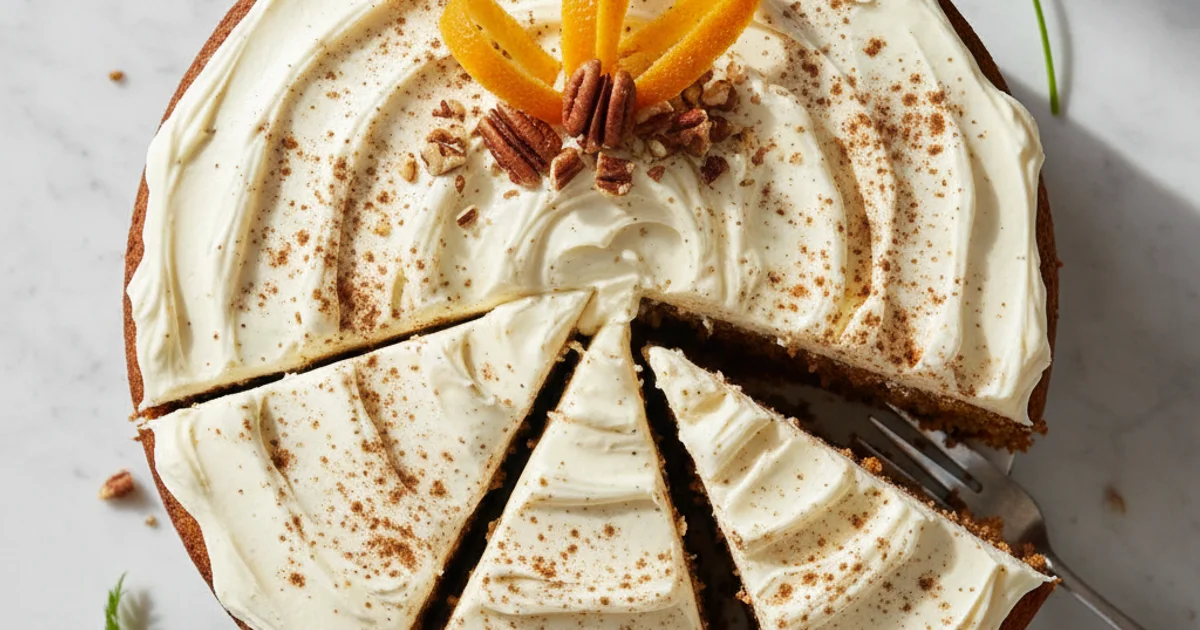
- 1Introduction: Indulge Guilt-Free with Our Gluten-Free Carrot Cake Recipe
- 2Why You’ll Love This Irresistible Gluten-Free Carrot Cake
- 3Ingredients Overview: Crafting the Perfect GF Carrot Cake
- 4Essential Equipment You’ll Need for Baking Success
- 5Step-by-Step Instructions: Your Guide to a Flawless Gluten-Free Carrot Cake
- 6Instructions
- 7Pro Tips & Tricks for the Ultimate GF Carrot Cake
Ingredients
For the Gluten-Free Carrot Cake:
- 2 ½ cups (300g) gluten-free all-purpose flour blend (with xanthan gum)
- 2 tsp baking soda
- 1 tsp baking powder
- 1 tsp ground cinnamon
- ½ tsp ground nutmeg
- ¼ tsp ground ginger
- ½ tsp salt
- 1 cup (200g) granulated sugar
- ½ cup (100g) packed light brown sugar
- 1 cup (240ml) grapeseed oil (or other neutral oil)
- 4 large eggs, room temperature
- 2 tsp vanilla extract
- 3 cups (360g) finely shredded carrots
- ½ cup (60g) chopped walnuts or pecans (optional)
- ½ cup (70g) raisins (optional)
For the Cream Cheese Frosting:
- 8 oz (226g) cream cheese, softened
- ½ cup (113g) unsalted butter, softened
- 4 cups (480g) powdered sugar, sifted
- 1 tsp vanilla extract
- Pinch of salt
Instructions
Instructions
Preheat oven and prepare cake pans.
Instructions
Whisk together dry cake ingredients.
Instructions
Whisk together wet cake ingredients (oil, sugars, eggs, vanilla).
Instructions
Combine wet and dry ingredients, then fold in carrots and optional add-ins.
Instructions
Divide batter and bake until golden and cooked through.
Instructions
Cool cake layers completely on a wire rack.
Instructions
Prepare cream cheese frosting by beating cream cheese and butter.
Instructions
Gradually add powdered sugar and vanilla to frosting.
Instructions
Assemble and frost the cooled cake layers.
Recipe FAQs
Can I use any gluten-free flour blend for this gf carrot cake recipe?
My cream cheese frosting is too runny. How to thicken buttercream frosting?
What's a good applesauce replacement in baking for this recipe, if I don't want to use it?
Where can I find gluten free carrot cake near me if I don't have time to bake?
Can I substitute grapeseed oil with another oil in this recipe?
Can I turn this recipe into a gluten free carrot cake mix for future use?
Unforgettable Gluten-Free Carrot Cake Perfection
Discover our amazing gf carrot cake recipe! Learn how to make a perfectly moist, spiced gluten-free carrot cake with cream cheese frosting. Tips for substitutions included!
Prep Time
30 min
Cook Time
35 min
Total Time
65 min
For the Gluten-Free Carrot Cake:
- 2 ½ cups (300g) gluten-free all-purpose flour blend (with xanthan gum)
- 2 tsp baking soda
- 1 tsp baking powder
- 1 tsp ground cinnamon
- ½ tsp ground nutmeg
- ¼ tsp ground ginger
- ½ tsp salt
- 1 cup (200g) granulated sugar
- ½ cup (100g) packed light brown sugar
- 1 cup (240ml) grapeseed oil (or other neutral oil)
- 4 large eggs, room temperature
- 2 tsp vanilla extract
- 3 cups (360g) finely shredded carrots
- ½ cup (60g) chopped walnuts or pecans (optional)
- ½ cup (70g) raisins (optional)
For the Cream Cheese Frosting:
- 8 oz (226g) cream cheese, softened
- ½ cup (113g) unsalted butter, softened
- 4 cups (480g) powdered sugar, sifted
- 1 tsp vanilla extract
- Pinch of salt
Introduction: Indulge Guilt-Free with Our Gluten-Free Carrot Cake Recipe
There’s a common misconception that gluten-free baking means sacrificing flavor or, even worse, enduring a crumbly, dry texture. I’ve heard countless stories, and experienced my share of disappointments, where a well-intentioned gluten-free cake turned into a dense brick or a pile of sad crumbs. Carrot cake, with its inherent moisture from fresh carrots and oil, seems like it should be an easy win, but even it can fall victim to the pitfalls of gluten-free flours if not handled correctly. What I discovered is that achieving a truly moist and flavorful gluten-free version isn’t just possible; it’s surprisingly simple with the right approach. This gf carrot cake recipe is the culmination of years of testing, tweaking, and many happy taste-testers. It promises a tender crumb, rich spice, and that comforting sweetness everyone craves, without any gluten. You’ll find that creating a show-stopping dessert for any occasion, regardless of dietary needs, doesn’t require culinary acrobatics. This treat is about bringing people together over something truly special. It delivers all the classic carrot cake goodness you love, perfectly adapted for a gluten-free lifestyle, ensuring no one feels left out of dessert.
Why You’ll Love This Irresistible Gluten-Free Carrot Cake
I always hear people lamenting about dry, crumbly gluten-free baked goods. This recipe defies those expectations. What I love about this particular creation is its consistently moist texture, achieved through a careful balance of wet and dry ingredients. We’re talking about a crumb so tender, it practically melts in your mouth, a far cry from the dense, brick-like gluten-free cakes you might have encountered.
Building on this, the flavor profile is truly exceptional. It boasts a rich, spiced taste that evokes warmth and comfort, thanks to a thoughtful blend of cinnamon, nutmeg, and a whisper of ginger. These spices dance together, complementing the natural sweetness of the carrots without overpowering them. It’s that classic carrot cake essence, amplified.
Here’s the thing, even if you’re new to gluten-free baking, you’ll find this recipe remarkably easy to follow. My instructions are clear and concise, guiding you through each step to ensure success. You won’t need any fancy equipment or advanced techniques. Just simple, straightforward baking that yields impressive results.
The key difference is that this treat is naturally gluten-free, utilizing ingredients like almond flour and oat flour that contribute to its unique texture and flavor. I’ve meticulously tested various flour blends to eliminate any guesswork for you. This means no gritty textures or strange aftertastes, just pure cake enjoyment.
In practice, this cake is perfect for any occasion. Whether it’s a casual Sunday brunch, a celebratory birthday, or a simple dessert after dinner, it fits right in. Its robust flavor and pleasing aesthetic make it a versatile choice. It’s equally at home on a rustic spread or a formal dessert table.
Worth noting here, the accompanying cream cheese frosting is foolproof. It strikes the ideal balance between tangy and sweet, providing a smooth, creamy counterpoint to the spiced cake. I’ll show you how to achieve that perfect consistency, ensuring it holds its shape beautifully without being overly stiff or runny. This frosting truly elevates the entire experience.
Ingredients Overview: Crafting the Perfect GF Carrot Cake
Here’s the thing: understanding your ingredients is paramount for baking success, especially with gluten-free recipes. It’s not just about tossing things into a bowl; it’s about appreciating the role each component plays in the final texture and taste. What I discovered is that a slight adjustment in one ingredient can drastically alter the outcome, turning a dry crumb into a moist, flavorful treat.
For this recipe, your gluten-free all-purpose flour blend is your foundation. I always recommend using a good quality blend that already contains xanthan gum. This gum is crucial for mimicking the elasticity that gluten provides. Without it, your cake can be crumbly and lack structure. Brands like Bob’s Red Mill 1-to-1 or King Arthur Gluten-Free Measure for Measure work beautifully. The key difference is that these blends are formulated to behave much like traditional wheat flour, simplifying the baking process considerably.
Next up are your shredded carrots. Trust me on this one: fresh, finely shredded carrots are non-negotiable. They contribute natural sweetness, vibrant color, and, most importantly, incredible moisture. Avoid pre-shredded carrots if possible; they tend to be drier and can lead to a less tender cake. The finer the shred, the more evenly they distribute throughout the batter, preventing dense pockets.
Eggs are another critical component, acting as a binder, leavening agent, and adding to the cake’s richness and moisture. I use large eggs at room temperature for optimal incorporation. For sweetness and moisture, we’re combining granulated sugar and brown sugar. The granulated sugar provides a clean sweetness, while the brown sugar adds depth, a hint of caramel, and extra moisture due to its molasses content. In practice, this combination creates a more complex flavor profile than using just one type of sugar.
For fat and tenderness, vegetable oil is my go-to, but you can also substitute grapeseed oil for a slightly lighter, neutral-tasting alternative. Oil contributes to a wonderfully moist crumb that stays soft for days, unlike butter which can sometimes make cakes denser when cold. Baking soda and baking powder work in tandem as our leavening agents. Baking soda reacts with acidic ingredients (like brown sugar), while baking powder provides a secondary lift, ensuring a light and airy texture. Worth noting here, using both creates a balanced rise.
No carrot cake is complete without its signature spices. Cinnamon, nutmeg, and a touch of ginger are essential for that warm, comforting aroma and taste. These spices elevate the humble carrot into something truly special. A good quality vanilla extract further enhances all these flavors, tying everything together beautifully. For those who enjoy extra texture, optional add-ins like chopped walnuts or pecans, and even golden raisins, can be folded into the batter. These additions provide a delightful chew and extra bursts of flavor.
Finally, the iconic cream cheese frosting requires specific ingredients to achieve its dreamy consistency. You’ll need softened full-fat cream cheese, unsalted butter, powdered sugar (confectioners’ sugar), and a splash of vanilla extract. The full-fat cream cheese is vital for a rich, tangy flavor and stable texture. A common mistake is using low-fat cream cheese, which can result in a runny frosting that never quite sets. The secret is to ensure all your frosting ingredients are at room temperature for a smooth, lump-free consistency that pipes beautifully.
Essential Equipment You’ll Need for Baking Success
In my kitchen, having the right tools makes all the difference for a smooth baking experience. Trying to bake this cake without proper equipment can lead to frustration and uneven results. Here’s what actually works: gathering everything beforehand saves time and ensures accuracy.
For your baking pans, I always recommend using two 9-inch round cake pans. Light-colored metal pans are ideal because they conduct heat evenly, preventing over-browning on the edges. Alternatively, a 9x13 inch baking pan works perfectly for a single-layer sheet cake, which is often easier for beginners. You’ll also need a large mixing bowl for your dry ingredients and a medium one for the wet components. This separation is crucial for ensuring everything is thoroughly combined.
A good whisk is indispensable for aerating your dry ingredients, and a flexible rubber spatula is perfect for folding in the shredded carrots without deflating the batter. Trust me on this one; overmixing leads to a dense cake. While you can cream butter and sugar by hand, an electric mixer, either stand or handheld, will make your life much easier, especially when preparing the frosting. Precision is paramount in baking, so accurate measuring cups and spoons are non-negotiable for consistent results. A box grater or food processor attachment is needed for shredding fresh carrots; fine shreds incorporate best into the batter. For easy cake release and cleanup, parchment paper rounds cut to fit your pans are a lifesaver. Finally, a wire cooling rack allows air to circulate, preventing soggy bottoms, and an offset spatula helps you achieve that beautifully smooth frosting finish. Having these tools ready will make your baking journey enjoyable and successful.
Step-by-Step Instructions: Your Guide to a Flawless Gluten-Free Carrot Cake
Instructions
Cake Preparation:
-
Preheat your oven to 350°F (175°C). Grease two 9-inch round cake pans thoroughly with butter or non-stick spray, then dust them with gluten-free all-purpose flour, tapping out any excess, and line the bottoms with parchment paper circles.
-
In a large bowl, whisk together the gluten-free all-purpose flour blend, ground cinnamon, nutmeg, ginger, baking soda, baking powder, and salt until well combined and lump-free.
-
In a separate large bowl, whisk together the wet ingredients: the vegetable oil, both granulated and brown sugars, eggs, and vanilla extract until the mixture is smooth and well combined.
-
Gradually add the dry ingredients from the first bowl into the wet ingredients, mixing on low speed with an electric mixer or by hand with a spatula until just combined. Be careful not to overmix; a few lumps are perfectly fine and will help ensure a moist cake.
-
Gently fold in the shredded carrots and any optional add-ins, such as chopped nuts or raisins, using a spatula until evenly distributed throughout the batter.
-
Evenly divide the carrot cake batter between the two prepared cake pans, smoothing the tops with a spatula to ensure even baking.
-
Bake for 30-35 minutes, or until a wooden skewer or toothpick inserted into the center of the cakes comes out clean.
-
Allow the cakes to cool in their pans on a wire rack for 15 minutes before inverting them onto the wire rack to cool completely.
Here are steps 10 to 12 for your recipe article:
-
Cream Cheese Frosting Preparation: To begin preparing your luscious cream cheese frosting, ensure your unsalted butter and full-fat cream cheese are at room temperature for optimal creaminess.
-
In a large mixing bowl, combine the softened unsalted butter and softened full-fat cream cheese.
-
Using an electric mixer on medium speed, beat the butter and cream cheese together until the mixture is completely smooth, light, and fluffy, scraping down the sides of the bowl as needed to ensure everything is fully incorporated.
-
Gradually add the powdered sugar, one cup at a time, mixing on low speed until each addition is fully incorporated and the frosting begins to thicken.
-
Pour in the vanilla extract and continue to mix on medium speed until well combined and fragrant.
-
Increase the mixer speed to high and beat for 3-5 minutes, or until the buttercream is light, fluffy, and spreadable; if your frosting appears too thin, add an additional ¼ cup of powdered sugar and beat for another minute until the desired consistency is achieved.
-
To assemble your cake, place one cooled cake layer on your serving plate or cake stand, then evenly spread about one-third of the cream cheese frosting over the top, extending it to the edges. Repeat this process with the second cake layer and another one-third of the frosting, then carefully place the final cake layer on top. Use the remaining frosting to generously cover the top and sides of the entire cake, smoothing it with an offset spatula for a polished finish.
Pro Tips & Tricks for the Ultimate GF Carrot Cake
Here’s the thing, even with the best recipe, a few insider tips can elevate your baking from good to truly exceptional. I always tell aspiring bakers that understanding the “why” behind certain steps is just as important as following the instructions. Building on this, overmixing gluten-free batter is a common pitfall that can lead to a dense, tough cake. Unlike wheat flour, gluten-free flours don’t develop gluten, but excessive mixing can still incorporate too much air initially, which then collapses during baking, resulting in a less tender crumb. Gently fold your dry ingredients into the wet ones until just combined; a few small lumps are perfectly fine.
What I discovered through years of testing is that the way you prepare your carrots significantly impacts the final texture and moisture of the cake. For optimal results, aim for a medium-fine shred. If the shreds are too coarse, they won’t soften adequately during baking, leaving crunchy bits. Conversely, if they’re too fine, they can release too much water, making the cake soggy. A good box grater or a food processor with a grating attachment works wonders here. Trust me on this one, it makes a real difference. For those looking to reduce fat content, you can even experiment with applesauce replacement in baking for a portion of the oil, though it will alter the texture slightly.
The secret is to always use room temperature ingredients for your cake batter and frosting. This applies to eggs, butter, and cream cheese. Cold ingredients don’t emulsify properly with others, leading to a lumpy batter or a split frosting. For instance, cold butter won’t cream smoothly with sugar, resulting in a less airy cake. Just set them out on the counter an hour or two before you plan to bake. This simple step ensures a smooth, uniform batter and a silky, luscious cream cheese frosting.
A common mistake is rushing to frost a warm cake. You’ll notice that attempting to frost a cake that hasn’t completely cooled will inevitably lead to a melty, sliding mess. The warmth of the cake will instantly melt the butter and cream cheese in your frosting, turning your beautifully piped swirls into a sad, sugary puddle. Patience is key here; allow the cake layers to cool entirely on a wire rack, which can take several hours, especially for thicker cakes. This waiting period is crucial for structure and appearance.
Worth noting here, accurate measurement of gluten-free flour is paramount. Unlike conventional flour, GF blends can vary greatly in density. The best practice is to weigh your flour using a kitchen scale for precision. If you don’t have a scale, use the ‘spoon and level’ method: spoon the flour into your measuring cup, then level it off with a straight edge, avoiding packing it down. This prevents adding too much flour, which can make this treat dry and crumbly. For those considering alternatives to vegetable oil, substitute grapeseed oil for a neutral flavor and healthy fat profile.
The key difference is that sweetness preferences vary widely. This recipe is balanced, but you can adjust the sugar content to your liking. For a less sweet cake, reduce the granulated sugar by up to 1/4 cup. If you prefer a sweeter profile, you can increase it slightly, but be mindful that too much sugar can affect the cake’s structure. Always taste your batter (before adding eggs, of course!) to get a sense of the flavor profile.
In practice, knowing how to properly test your cake for doneness prevents both underbaked gooiness and overbaked dryness. The classic toothpick test remains the most reliable method: insert a toothpick into the center of the cake. If it comes out clean or with a few moist crumbs attached, the cake is done. If it’s still wet, continue baking for a few more minutes and retest. For more detailed guidance on baking techniques, this comprehensive guide on BBC Good Food offers excellent insights.
Finally, mastering how to thicken buttercream frosting is a useful skill. If your cream cheese frosting seems too thin, don’t panic. You can gradually add more powdered sugar, one tablespoon at a time, until it reaches your desired consistency. Alternatively, chilling the frosting in the refrigerator for 15-30 minutes can firm it up. If it’s still too loose, ensure you haven’t added too much liquid, such as vanilla extract or milk. A slightly firmer frosting is easier to spread and pipe.
Enjoyed this recipe? Share it with a friend or save it to your board for later. Leave a comment below — I love hearing how it turned out!
You May Also Enjoy





You Might Also Love These 🍽️
Recipes picked just for you based on what you’re cooking