Sweet Secret: Icing Sugar Conversion & Pound Cake!
Unlock the perfect sweetness for your bakes! Discover how much 1 lb icing sugar is in cups and bake our delicious gluten-free pound cake recipe.
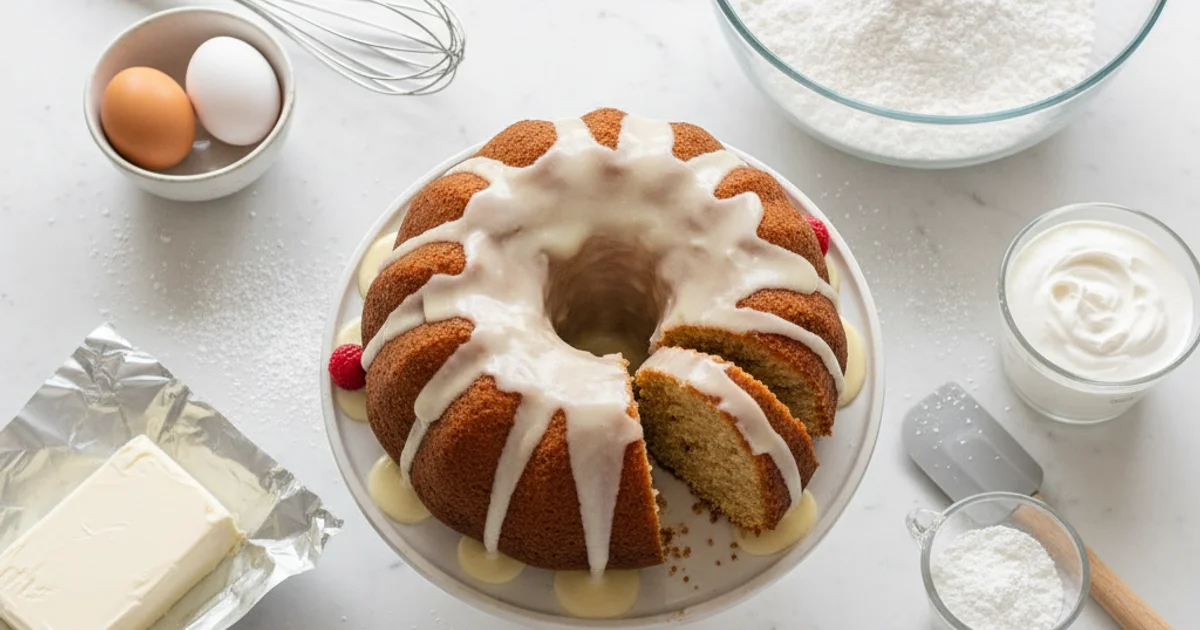
- 1Introduction: Decoding the Sweet Science of Baking
- 2Why You’ll Fall in Love with This Sour Cream & Cream Cheese Pound Cake
- 3Ingredients Overview: The Building Blocks of Our Perfect Pound Cake
- 4Essential Equipment You’ll Need for Baking Success
- 5Step-by-Step Instructions: Crafting Your Perfect Pound Cake
- 6Pro Tips & Tricks for a Flawless Pound Cake
- 7Pro Tips & Tricks for a Flawless Pound Cake
Ingredients
Pound Cake
- 2 ½ cups (300g) all-purpose flour (or 1:1 gluten-free baking blend)
- 1 teaspoon baking powder
- ½ teaspoon baking soda
- ½ teaspoon salt
- 1 cup (226g) unsalted butter, softened
- 8 oz (226g) full-fat cream cheese, softened
- 2 cups (400g) granulated sugar
- 4 large eggs, room temperature
- 1 cup (240g) full-fat sour cream, room temperature
- 2 teaspoons vanilla extract
Simple Icing Sugar Glaze (Optional)
- 1 ½ cups (180g) icing sugar (confectioners' sugar)
- 3-4 tablespoons milk or lemon juice
- ¼ teaspoon vanilla extract
Instructions
Instructions
Preheat oven & prep pan.
Instructions
Whisk dry ingredients.
Instructions
Cream butter, cream cheese, and sugar.
Instructions
Add eggs one at a time.
Instructions
Alternate dry ingredients with sour cream.
Instructions
Mix until just combined.
Instructions
Pour into pan & bake.
Instructions
Cool in pan, then on wire rack.
Instructions
Prepare and drizzle glaze (optional).
Recipe FAQs
How many cups is 1 pound of icing sugar exactly?
Can I make this sour cream and cream cheese pound cake gluten-free?
Does cake have gluten, and how can I tell?
Why did my pound cake turn out dry?
Can I use low-fat cream cheese or sour cream?
What's the best way to prevent my pound cake from sticking to the pan?
Sweet Secret: Icing Sugar Conversion & Pound Cake!
Unlock the perfect sweetness for your bakes! Discover how much 1 lb icing sugar is in cups and bake our delicious gluten-free pound cake recipe.
Prep Time
25 min
Cook Time
60 min
Total Time
85 min
Pound Cake
- 2 ½ cups (300g) all-purpose flour (or 1:1 gluten-free baking blend)
- 1 teaspoon baking powder
- ½ teaspoon baking soda
- ½ teaspoon salt
- 1 cup (226g) unsalted butter, softened
- 8 oz (226g) full-fat cream cheese, softened
- 2 cups (400g) granulated sugar
- 4 large eggs, room temperature
- 1 cup (240g) full-fat sour cream, room temperature
- 2 teaspoons vanilla extract
Simple Icing Sugar Glaze (Optional)
- 1 ½ cups (180g) icing sugar (confectioners' sugar)
- 3-4 tablespoons milk or lemon juice
- ¼ teaspoon vanilla extract
Introduction: Decoding the Sweet Science of Baking
Every home baker knows the frustration of a recipe calling for a specific weight of an ingredient, while your kitchen only has measuring cups. This is especially true for fine powders like confectioners’ sugar, often leading to questions like, “exactly how much is 1 lb icing sugar in cups?” Precise measurements are the cornerstone of successful baking, ensuring consistent textures and flavors every single time. Without them, you might end up with a cake that’s too dry, too crumbly, or simply not sweet enough. What I discovered is that understanding these conversions can elevate your baking from guesswork to mastery. This article not only demystifies that common query, providing a clear answer to 1 lb icing sugar in cups, but also guides you through crafting an absolutely irresistible Sour Cream & Cream Cheese Pound Cake. This treat boasts a tender crumb and a rich, tangy sweetness that will become a go-to in your repertoire. Get ready to conquer your baking challenges and create something truly special.
Why You’ll Fall in Love with This Sour Cream & Cream Cheese Pound Cake
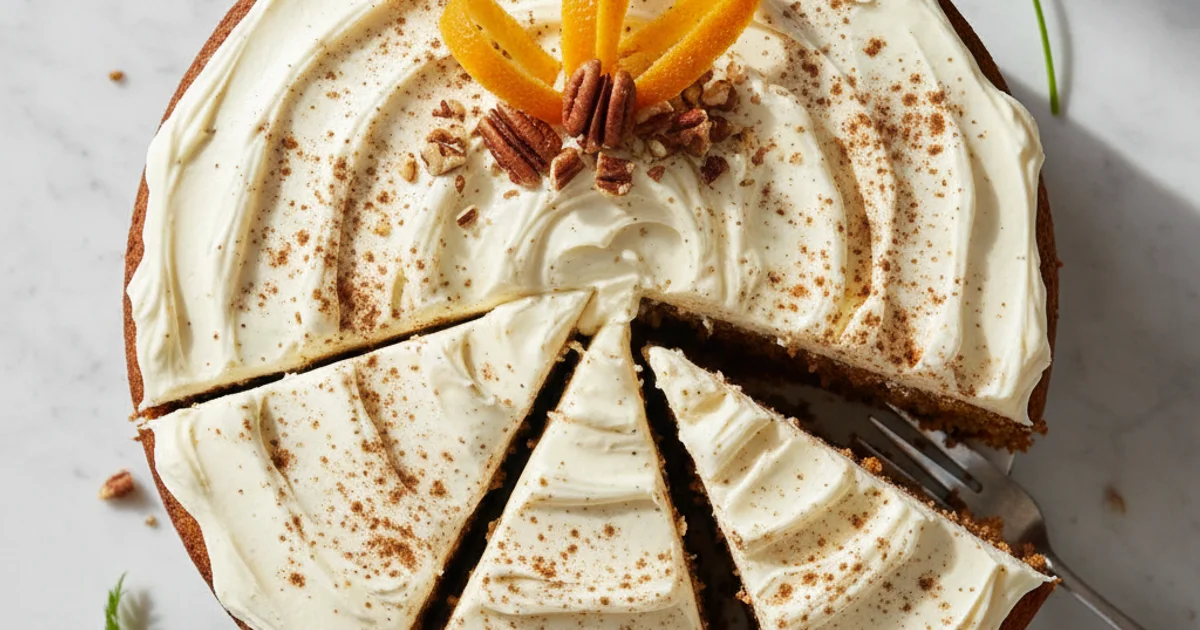
You’re about to discover a pound cake recipe that will redefine your expectations. This isn’t just any pound cake; it’s a culinary experience. What I discovered in my kitchen is that the combination of sour cream and cream cheese creates a texture beyond compare. You’ll notice that each slice boasts an incredibly moist, dense, yet tender crumb, almost melting in your mouth. This unique characteristic sets this treat apart from drier, more traditional pound cakes.
The flavor profile is equally compelling. Here’s the thing: the tangy notes from both the sour cream and cream cheese beautifully balance the sweetness. This creates a complex and addictive taste that keeps you coming back for more. It avoids the one-note sweetness often found in other desserts, offering a sophisticated palate experience. I always aim for depth in my baking, and this recipe delivers it flawlessly.
In practice, this pound cake is incredibly versatile. It’s perfect for a casual afternoon tea, a celebratory dessert at a special gathering, or even a comforting late-night indulgence. Its robust structure also makes it an excellent candidate for gifting. Furthermore, despite its gourmet taste and impressive presentation, this recipe is surprisingly beginner-friendly. The steps are straightforward, making it achievable for home cooks of all skill levels. You don’t need advanced baking techniques to produce a show-stopping dessert.
Worth noting here, for those with dietary considerations, this sour cream and cream cheese pound cake can be easily adapted. A common mistake is thinking that a gluten free pound cake recipe sacrifices flavor or texture. However, by simply swapping in a high-quality 1:1 gluten-free flour blend, you can create a version that is equally delightful. Many wonder, does cake have gluten? Traditional recipes do, but this one offers a simple modification. This adaptability ensures everyone can enjoy a slice of this truly exceptional pound cake.
Ingredients Overview: The Building Blocks of Our Perfect Pound Cake
In my kitchen, every ingredient plays a vital role in achieving that perfect bake. Understanding each component helps you become a more confident baker, predicting how flavors and textures will come together. This foundational knowledge is what elevates a good cake to a truly memorable one, ensuring every bite delivers on its promise.
Building on this, let’s break down the essential elements for our sour cream and cream cheese pound cake. First up is all-purpose flour. This provides the cake’s structure, thanks to its gluten content. Gluten is a protein network that develops when flour is mixed with liquid, trapping air and giving the cake its rise and form. For those wondering, “does cake have gluten?”, yes, traditional cakes primarily rely on gluten for their characteristic crumb. If you’re exploring a gluten free pound cake recipe, look for a high-quality gluten-free all-purpose blend. Many of these blends already contain xanthan gum, which mimics gluten’s binding properties, preventing your cake from crumbling. Without it, gluten-free baked goods can be quite fragile.
Next, we have unsalted butter, a cornerstone of richness. Butter contributes immense flavor and a tender crumb to our pound cake. It’s crucial that your butter is at room temperature, meaning it’s soft enough to indent with your finger but not melted. This allows it to cream properly with the sugar, incorporating air that contributes to the cake’s light texture. Cold butter will create lumps, while melted butter won’t emulsify correctly, leading to a dense cake. Cream cheese joins the butter in adding unparalleled richness and a delightful tang. Like butter, it needs to be softened to room temperature for smooth, lump-free mixing. This ensures it blends seamlessly into the batter, distributing its creamy texture evenly throughout the cake.
Sour cream is another star in this recipe, delivering incredible moisture and a subtle, pleasant tang. It works alongside the cream cheese to create a deeply tender crumb that stays moist for days. The acidity in sour cream also helps activate the leavening agents, contributing to the cake’s lift. Eggs are multifunctional; they provide structure, act as an emulsifier to bind ingredients, add richness, and contribute to leavening. Again, room temperature eggs are key. They incorporate more easily into the batter, creating a smoother, more homogenous mixture. Cold eggs can cause the batter to curdle slightly.
Now, for the sweetener: icing sugar, also known as confectioners’ sugar. Its superfine texture dissolves quickly, creating a smooth batter and an even finer crumb. While this recipe primarily uses granulated sugar in the cake, icing sugar is essential for the glaze. Knowing how much is 1 lb icing sugar in cups is incredibly useful for glazes and frostings. Roughly, 1 lb icing sugar in cups measures about 3 ½ to 4 cups, depending on whether it’s sifted or unsifted. Sifting it first removes lumps and aerates it, making it slightly more voluminous. Vanilla extract is non-negotiable for flavor enhancement. It brings warmth and depth, complementing the richness of the butter and cream cheese. Finally, baking powder and salt complete our ingredient list. Baking powder is our primary leavening agent, creating the airy pockets that give the cake its rise. Salt, though used in a small amount, is vital for balancing the sweetness and enhancing all the other flavors, preventing the cake from tasting flat.
Essential Equipment You’ll Need for Baking Success
In my kitchen, having the right tools makes all the difference for a smooth baking experience. Trying to bake this rich pound cake without the proper gear is like trying to paint a masterpiece with a toothbrush. You’ll definitely want to gather your equipment before you even think about preheating the oven. Building on this, a stand mixer with a paddle attachment is truly a lifesaver. It creams butter and sugar effortlessly, developing the light, airy texture that is crucial for a tender cake. If a stand mixer isn’t an option, a good quality hand mixer will also get the job done, though it might require a bit more arm strength.
Here’s the thing, you’ll need at least two large mixing bowls. One for your dry ingredients and another for your wet components, ensuring everything is properly incorporated without overmixing. This separation prevents gluten development too early, which can lead to a tough cake. For baking the cake itself, a standard 9x5 inch loaf pan is ideal for this recipe, yielding a classic pound cake shape. Alternatively, a Bundt pan can be used for a more decorative presentation, but be aware that baking times might vary slightly with a Bundt pan due to its larger surface area and different heat distribution.
The key difference is using a rubber spatula for gentle folding. It ensures that all the ingredients from the bottom and sides of the bowl are fully incorporated without deflating the batter you’ve worked so hard to aerate. For accurate measuring, measuring cups and spoons are standard, but a kitchen scale is where precision truly comes into play. Trust me on this one, for ingredients like flour and especially when you’re dealing with something like 1 lb icing sugar in cups, a scale guarantees accuracy. This precision helps achieve consistent results every single time you bake this sour cream and cream cheese pound cake.
Worth noting here, a whisk is essential for aerating and combining your dry ingredients thoroughly, removing any lumps before they hit the wet mixture. This step contributes to a uniform texture in the finished cake. Once baked, a wire rack is non-negotiable for cooling. It allows air to circulate around the entire cake, preventing the bottom from becoming soggy and ensuring a perfectly cooled treat. Finally, don’t forget parchment paper. Lining your loaf pan with it makes for effortless cake removal and significantly simplifies cleanup, allowing you to enjoy your delicious creation without the stress of stuck-on batter.
Step-by-Step Instructions: Crafting Your Perfect Pound Cake
Here are the first three steps for your recipe instructions:
- Prep Work: Preheat your oven to 325°F (160°C). Lightly grease and flour a 10-12 cup Bundt pan or a 9x13 inch baking pan, ensuring all crevices are coated, or alternatively, use a baking spray with flour, or line with parchment paper for easier removal.
- Dry Ingredients: In a medium bowl, whisk together the all-purpose flour (or your preferred gluten-free baking blend), baking powder, baking soda, and salt until thoroughly combined and lump-free.
- Creaming: In a large mixing bowl, using an electric mixer on medium speed, cream together the softened unsalted butter, softened cream cheese, and granulated sugar until the mixture is light, fluffy, and pale in color, scraping down the sides of the bowl as needed.
Here are steps 4 to 6 for the “Mastering Sweetness” recipe:
-
Adding Eggs: Incorporate the eggs into the creamed mixture one at a time, beating thoroughly after each addition until fully combined before adding the next egg.
-
Alternating Wet & Dry: With the mixer on low speed, gradually add the dry ingredients to the batter, alternating with the sour cream, beginning and ending with a portion of the dry ingredients.
-
Mixing: Continue mixing only until the ingredients are just combined and no streaks of flour remain, being careful not to overmix the batter.
-
Pour the prepared batter evenly into the greased and floured bundt pan, gently tapping the pan on the counter a few times to release any air bubbles. Bake for 60-70 minutes, or until a wooden skewer inserted into the center of the cake comes out clean and the top is a beautiful golden brown.
-
Allow the pound cake to cool in the pan for 15-20 minutes on a wire rack before carefully inverting it onto the rack to cool completely.
Pro Tips & Tricks for a Flawless Pound Cake
Pro Tips & Tricks for a Flawless Pound Cake
Achieving that bakery-quality pound cake consistently involves more than just following the steps; it’s about understanding the nuances. In my kitchen, I always emphasize ingredient temperature. Room temperature ingredients are non-negotiable for a truly cohesive batter. Cold butter and cream cheese will resist blending smoothly with sugar, resulting in a lumpy mix and an uneven texture in your final cake. What I discovered is that allowing your butter, eggs, and dairy to sit out for at least an hour, sometimes two, before you begin ensures they emulsify beautifully, creating a light and airy structure.
Building on this, once your ingredients are perfectly tempered, resist the urge to overmix. Do not overmix your batter, especially after adding the flour. Overmixing develops the gluten in wheat flour, which can lead to a tough, dense cake. Even if you’re making a gluten free pound cake recipe, excessive mixing can still negatively impact the texture by incorporating too much air initially, which then collapses during baking. The trick is to mix just until the ingredients are combined, with no streaks of dry flour remaining. A common mistake is thinking that more mixing equals a smoother batter, but for cakes, it often means a chewier, less tender crumb.
Here’s the thing, accurate measuring is paramount, particularly for your dry ingredients. While volume measurements are convenient, a kitchen scale provides far greater precision. This is especially true when you’re trying to figure out precisely how much 1 lb icing sugar in cups translates to for consistent results. Different brands and even humidity can alter the density of powdered sugar, making cup measurements unreliable. Trust me on this one; investing in a digital kitchen scale will elevate all your baking, ensuring your ratios are perfect every time.
In practice, your oven can be a fickle beast, and its internal thermometer might not always tell the truth. I always recommend using an oven thermometer to verify your oven’s actual temperature. An oven that runs too hot or too cold can drastically affect baking time and the cake’s texture, leading to a dry cake or one that’s underbaked in the center. Knowing your oven’s true temperature helps prevent common baking mishaps, ensuring your sour cream and cream cheese pound cake bakes evenly.
The secret is in the pan preparation, especially if you’re using an intricate Bundt pan. Proper Bundt pan prep is crucial to prevent sticking and preserve those beautiful details. I always use a baking spray that contains flour, or I meticulously grease every nook and cranny with shortening, then dust it thoroughly with flour, tapping out any excess. This creates a non-stick barrier that helps the cake release cleanly. For a gluten free pound cake recipe, ensure your flour for dusting is also gluten-free. For more detailed insights on Bundt pan preparation, check out this guide: How to Bake in a Bundt Pan.
Finally, patience is not just a virtue, it’s a necessity when it comes to cooling your cake. Cooling patience is essential for the cake’s final texture and structural integrity. Immediately after removing the cake from the oven, let it cool in the pan for about 10-15 minutes. This allows the cake to set slightly and pull away from the pan edges. Then, invert it onto a wire rack to cool completely. Cutting into a warm pound cake can cause it to crumble and affect its moistness, so resist the temptation and let it cool fully before slicing.
Enjoyed this recipe? Share it with a friend or save it to your board for later. Leave a comment below — I love hearing how it turned out!
You May Also Enjoy





You Might Also Love These 🍽️
Recipes picked just for you based on what you’re cooking