Homemade Masa Harina: Perfect GF Tortillas
Wondering 'are corn tortillas gluten free'? Yes, they are! Learn how to make delicious, authentic homemade gluten-free corn tortillas with masa harina. Easy & perfect for any meal!
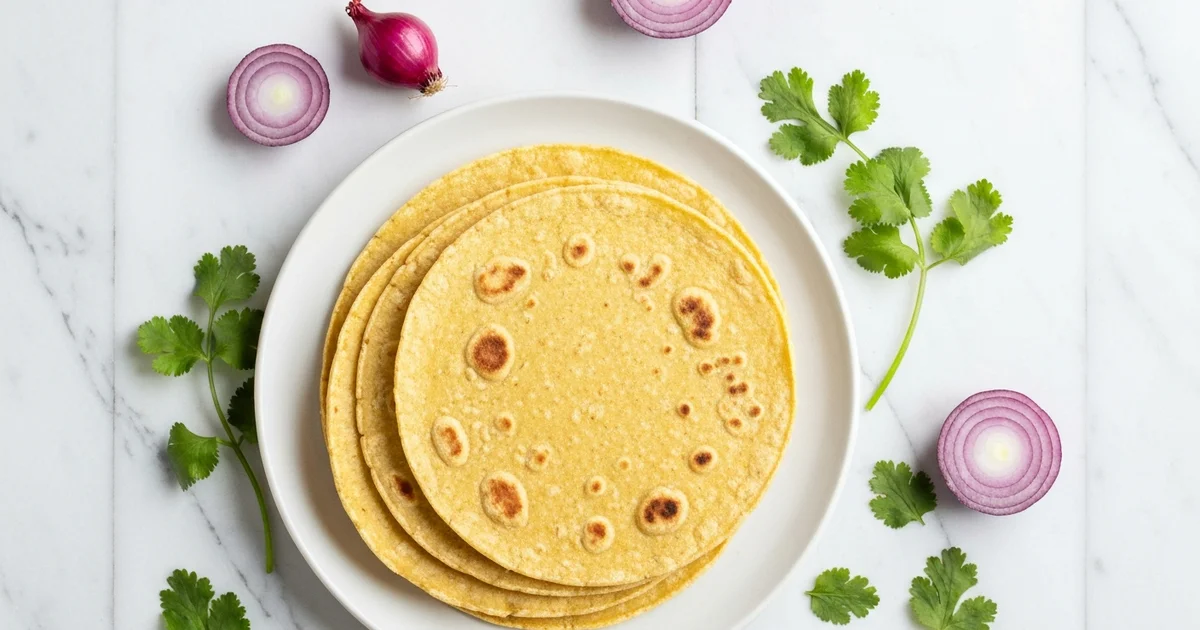
- 1Are Corn Tortillas Gluten Free? Unveiling the Truth for a Delicious Lifestyle
- 2Why You’ll Love These Homemade Gluten-Free Corn Tortillas
- 3Ingredients Overview: What Makes a Corn Tortilla Gluten Free & Delicious?
- 4Essential Equipment You’ll Need for Perfect Gluten-Free Corn Tortillas
- 5Step-by-Step Instructions: Crafting Your Own Delicious Gluten-Free Corn Tortillas
- 6Pro Tips & Tricks for the Best Gluten-Free Corn Tortillas
Ingredients
For the Tortillas
- 2 cups masa harina (look for certified gluten-free if needed)
- 1 1/2 to 1 3/4 cups warm water (plus more if needed)
- 1/2 teaspoon fine sea salt
- 1 tablespoon neutral oil (optional, for extra pliability)
Instructions
Combine Ingredients
In a large bowl, combine masa harina and salt. Gradually add 1 1/2 cups of warm water, mixing with your hands until a shaggy dough forms. If using oil, add it now.
Knead the Dough
Knead the dough for 2-3 minutes until it comes together into a smooth, soft ball. The dough should be pliable like Play-Doh, not sticky or crumbly. If dry, add more water, 1 teaspoon at a time. If too wet, add a tablespoon of masa harina.
Rest the Dough
Cover the dough with a damp cloth and let it rest for 15-20 minutes. This allows the masa harina to fully hydrate.
Preheat Skillet & Form Balls
Heat a cast iron skillet or comal over medium-high heat until hot. Meanwhile, divide the dough into 12 equal pieces and roll each into a smooth ball (about 1.5 inches in diameter).
Press Tortillas
Line a tortilla press with two pieces of plastic wrap or a cut-open zip-top bag. Place a dough ball in the center, close the press, and apply firm, even pressure to form a flat disc about 6 inches in diameter.
Transfer to Skillet
Carefully peel off the plastic and transfer the tortilla to the hot skillet.
Cook First Side
Cook for 30-60 seconds on the first side, until the edges start to dry and the tortilla easily lifts.
Cook Second Side & Puff
Flip and cook for 1-1.5 minutes on the second side. The tortilla should puff up and develop a few browned spots. Flip again and cook for another 30 seconds to 1 minute, until fully cooked. The 'puff' might deflate, which is fine.
Keep Warm
Transfer cooked tortillas to a tortilla warmer or stack them wrapped in a clean kitchen towel to keep them warm and pliable while you cook the remaining tortillas.
Serve Immediately
Serve immediately and enjoy your fresh, gluten-free corn tortillas!
Equipment You'll Need
Here's what I use to make this recipe perfectly every time:
- High-powered Blender — Essential for grinding the nixtamalized corn kernels into a smooth masa paste. → Buy Now
- Large Stockpot — Used for the nixtamalization process to cook and soften the dried corn kernels with cal. → Buy Now
- Baking Sheets — Crucial for spreading the masa thinly and evenly to dry completely before it can be ground into flour. → Buy Now
- Spice Grinder — Necessary for finely grinding the thoroughly dried masa into a consistent, powdery masa harina flour. → Buy Now
Recipe FAQs
Are corn tortillas naturally gluten-free?
Is masa harina truly gluten-free?
Can I make these corn tortillas without a tortilla press?
Why are my homemade corn tortillas cracking or falling apart?
How long do homemade gluten-free corn tortillas last?
What's the difference between masa harina and cornmeal?
Homemade Masa Harina: Perfect GF Tortillas
Wondering 'are corn tortillas gluten free'? Yes, they are! Learn how to make delicious, authentic homemade gluten-free corn tortillas with masa harina. Easy & perfect for any meal!
Prep Time
15 min
Cook Time
20 min
Total Time
35 min
For the Tortillas
- 2 cups masa harina (look for certified gluten-free if needed)
- 1 1/2 to 1 3/4 cups warm water (plus more if needed)
- 1/2 teaspoon fine sea salt
- 1 tablespoon neutral oil (optional, for extra pliability)
Are Corn Tortillas Gluten Free? Unveiling the Truth for a Delicious Lifestyle
The question, are corn tortillas gluten free, comes up frequently in my kitchen. For anyone navigating dietary needs, understanding ingredients is paramount. It is crucial for those with celiac disease or gluten sensitivities.
Many people wonder, is there gluten in tortillas generally. Specifically, the concern often turns to corn varieties. Store-bought options sometimes introduce uncertainty. They may contain cross-contamination or unexpected additives.
Key Reasons to Know Your Tortilla Source:
- Dietary safety for celiac disease.
- Avoiding unexpected gluten ingredients.
- Ensuring authentic flavor profiles.
Here’s the thing: making your own offers true peace of mind. Crafting fresh tortillas lets you control every element. You ensure purity and avoid hidden glutens.
Authentic masa harina is naturally gluten-free. It is made from dried corn kernels, cooked and steeped. This traditional nixtamalization method ensures a pure product.
Qualities of Pure Masa Harina:
- Made from nixtamalized corn.
- Naturally gluten-free masa harina.
- Yields flexible, flavorful tortillas.
When you control the ingredients, you definitively know, is a corn tortilla gluten free. There is no guesswork involved. This means safe, delicious meals for everyone at your table. It ensures every taco night is stress-free.
I always find joy in making corn tortillas from scratch. The process is simpler than you might imagine. The rewarding aroma fills your home. You’ll notice that satisfying sizzle on the griddle.
Trust me on this one: The golden brown edges are worth it.
What I love about this recipe is the flavor. Homemade tortillas elevate any dish. They are soft, pliable, and wonderfully fresh. This approach guarantees a genuinely gluten-free experience.
Why You’ll Love These Homemade Gluten-Free Corn Tortillas
Creating your own corn tortillas gluten free at home transforms mealtime. Forget those dry, crumbly store-bought versions. In my kitchen, homemade tortillas are a staple for a reason. They offer an unparalleled experience that truly elevates any dish.
The difference in flavor is immediate. You’ll notice a robust, earthy corn essence that simply doesn’t exist in packaged options. This isn’t just a basic corn tortilla gluten free; it’s a vibrant, fresh-tasting foundation for your favorite meals. The aroma alone as they cook on the comal is incredibly inviting. That golden brown char and slight puff are a testament to their freshness.
What I love about this recipe is the texture it consistently delivers. Achieving the perfect pliability, with just the right amount of chew, makes all the difference. These tortillas have wonderfully slightly crispy edges right off the heat. They hold up beautifully to fillings without tearing, a common frustration with many store-bought varieties. This ideal texture distinguishes them from other options, even those marketed as “best gluten free flour tortillas.”
Here’s the thing about making them yourself: you gain complete control over your ingredients. For anyone with dietary restrictions, this is invaluable. Using certified gluten-free masa harina ensures there are absolutely no hidden gluten-containing ingredients. It removes any concern about cross-contamination, which can be a significant worry with commercially produced items. Knowing exactly what goes into your food brings peace of mind, allowing you to enjoy this dish without hesitation. This homemade approach guarantees that every single corn tortilla gluten free you make is safe and delicious.
Beyond dietary safety, there are several compelling reasons to embrace homemade tortillas:
- Unbeatable Freshness: These tortillas are consumed moments after cooking, unlike those that have traveled miles. This freshness ensures maximum flavor.
- Cost-Effective: Making your own is significantly more economical than continuously buying specialty gluten-free options. A bag of gluten-free masa harina goes a long way.
- Surprisingly Simple: The process is straightforward, requiring just a few basic ingredients and minimal equipment. It dispels the myth that homemade is always difficult.
- Highly Versatile: Once you master this base, these tortillas become a canvas for countless recipes. They are perfect for tacos, enchiladas, or even torn into chips.
- Enhanced Meal Experience: The act of making them adds a touch of culinary satisfaction to any meal. This simple addition elevates a weeknight dinner to something truly special.
In practice, the effort involved is minimal compared to the immense rewards. You’ll wonder why you ever settled for less after experiencing the joy of these fresh, warm tortillas. Trust me on this one; once you make them at home, you’ll never go back to store-bought.
Ingredients Overview: What Makes a Corn Tortilla Gluten Free & Delicious?
Building on this, understanding the core components is essential for crafting truly authentic and safe homemade corn tortillas. The star of our recipe is undoubtedly Masa Harina. This special flour is the key to what makes a corn tortilla gluten free and gives it its signature taste and pliable texture. Trust me on this one, using authentic masa harina is non-negotiable for superior results.
Here’s the thing, masa harina is always gluten free masa harina because it is made from dried corn kernels. The process involves nixtamalization, where corn is cooked and soaked in an alkaline solution. This ancient technique, distinct from simple corn flour, unlocks the corn’s nutritional value and creates a unique dough. This treatment dramatically improves the corn’s workability and flavor profile.
This nixtamalization process is why masa harina creates such a pliable, non-crumbly dough. It makes homemade is masa harina gluten free tortillas easy to roll and cook perfectly. You’ll notice that this processing is what gives tortillas their characteristic aroma and slight chewiness. This method also clarifies that is masa gluten free and is corn masa flour gluten free are both resounding yeses.
What I discovered is the crucial role of Warm Water in the dough’s formation. It hydrates the masa harina evenly, allowing the starches to swell and bind. The correct temperature helps create a soft, workable dough without becoming sticky. In my kitchen, I always start with just enough water to bring the masa together.
The secret is a dash of Salt. While seemingly minor, it significantly enhances the natural sweetness of the corn. A pinch of salt brings out the full, earthy flavor of the masa, making your tortillas truly delicious. It’s a small addition with a big impact on the final taste experience.
Worth noting here, you might consider adding an optional pinch of Oil. A tiny bit of vegetable oil can increase the dough’s pliability, especially for beginners. This can lead to a slightly softer tortilla with less chance of cracking edges. It’s an extra touch for an even more tender result.
These simple, naturally gluten free ingredients combine to create the most satisfying homemade tortillas. Every component plays a vital role in achieving that perfect texture and taste. With these basic elements, you’re ready to make incredible tortillas right in your own kitchen.
Essential Equipment You’ll Need for Perfect Gluten-Free Corn Tortillas
Here’s the thing: while the magic of turning simple masa harina into pliable discs feels almost mystical, having the right tools makes all the difference. You can certainly make these from scratch with minimal gear, but a few essential pieces will elevate your experience. They help ensure consistent results and that satisfying cooking process. Trust me on this one; a little preparation with equipment goes a long way.
One of the most valuable tools in my kitchen for this specific task is a good tortilla press. This sturdy device creates perfectly uniform tortillas with minimal effort. Consistent thickness is paramount for even cooking and that characteristic puff. Without a press, achieving uniform thinness can be quite challenging. You’ll notice that a properly pressed tortilla cooks more evenly, avoiding raw spots or overly crisp edges.
If a tortilla press isn’t currently in your collection, don’t worry! You still have options. A heavy, flat-bottomed pan, like a cast-iron skillet, can serve as a makeshift press. Alternatively, a simple rolling pin works effectively, though it requires a bit more elbow grease. The trick is to apply even pressure across the dough ball. Whichever method you choose, aim for thinness similar to a sturdy crepe.
Next, you’ll need a couple of basic items for dough preparation and handling. A medium-sized mixing bowl is essential for combining the masa harina with water and salt. I always prefer a bowl that gives me enough room to mix comfortably without spilling. Additionally, you’ll definitely need some plastic bags or parchment paper. I find cutting a gallon-sized freezer bag into two squares works beautifully. These sheets prevent the dough from sticking to the press or rolling pin and allow for easy transfer of the delicate tortillas.
Once your tortillas are formed, the cooking surface becomes critical. A well-seasoned cast iron skillet or a traditional comal is ideal for achieving that perfect golden brown char. These surfaces distribute heat evenly, which is crucial for the tortillas to cook through and puff up. That satisfying sizzle when the dough hits the hot surface is a sound I cherish. The high, consistent heat is what encourages the steam within the tortilla to create those beautiful air pockets.
Finally, don’t forget a clean kitchen towel or a dedicated tortilla warmer. As each corn tortilla comes off the skillet, you’ll want to transfer it immediately to the warmer. This keeps them warm, soft, and pliable while you finish cooking the rest. Stacking them prevents them from drying out and becoming brittle. This simple step ensures your entire batch remains fresh and ready for serving.
Step-by-Step Instructions: Crafting Your Own Delicious Gluten-Free Corn Tortillas
Making fresh, soft gluten free corn tortillas at home is a truly rewarding experience. The difference in taste and texture is undeniable. Trust me on this one. Once you taste these, store-bought simply won’t compare. In practice, crafting these delightful discs is simpler than you might imagine. It just takes a little patience. Attention to detail achieves that satisfying sizzle.
-
Prepare the Dough In a large mixing bowl, combine the masa harina and a pinch of salt. Gradually add warm water, mixing with your hands until a cohesive dough forms. Ensure there are no dry spots of flour remaining. The dough should feel like soft play-dough.
What I love about this step is seeing the simple ingredients come together. A common mistake is adding too much water too fast. Start with the recommended amount. Add more in tiny increments if needed. The dough should not stick excessively to your hands.
-
Knead and Rest Turn the dough out onto a clean surface. Knead it gently for about 2-3 minutes. This light kneading develops a subtle elasticity in the dough. You’ll notice that the dough becomes smoother and more pliable.
Form the dough into a ball. Place it back in the bowl, covered with a damp cloth. Allow it to rest for at least 20 minutes. This resting period is crucial for the gluten free masa harina to fully hydrate. It results in tortillas that are less prone to cracking.
-
Portion the Dough After resting, give the dough a quick knead again. Divide the dough into equal-sized balls. For standard taco-sized tortillas, aim for about 1-1.5 ounces per ball. I always use a kitchen scale for consistency here. This ensures uniform cooking and presentation for all your corn tortillas gluten free.
-
Press the Tortillas Cut two squares from a plastic bag or use plastic wrap. Place one square on the bottom plate of your tortilla press. Center a dough ball on the plastic. Cover with the second plastic square.
Gently close the press, applying firm, even pressure. Press just enough to create a uniform, thin disc. Avoid pressing too thin; it can make them brittle. The trick is a single, decisive press. Carefully peel the freshly pressed corn masa tortilla from the plastic liners. Find more tips on using a tortilla press effectively.
-
Preheat Your Comal/Skillet Place your comal or heavy-bottomed skillet over medium-high heat. Allow it to preheat for at least 5-7 minutes. It needs to be hot enough to make that satisfying sizzle when the dough touches it. A good indicator is when a drop of water quickly evaporates. This ensures a proper cook.
-
Cook the Tortillas Carefully place a pressed tortilla onto the hot comal. Cook for 30-45 seconds on the first side. The edges will begin to look dry and slightly curl. This is your sign to flip it.
Flip the tortilla and cook for 60-90 seconds on the second side. Look for small brown spots to appear. Then, flip it back to the first side for a final 15-30 seconds. This is often when the magical “puff” happens. This indicates a well-cooked, pliable gluten-free corn tortilla.
-
Keep Warm As each tortilla finishes cooking, transfer it immediately. Place it into a clean kitchen towel-lined basket or container. Keep it covered tightly. This traps the steam, keeping the tortillas soft and pliable. They will stay warm and ready for serving.
Pro Tips & Tricks for the Best Gluten-Free Corn Tortillas
Here’s what actually works when you’re aiming for the best homemade tortillas. Mastering these small details truly elevates your finished product. Trust me on this one; I always pay close attention to these nuances.
The texture of your masa harina dough is paramount. It should feel like soft Play-Doh to the touch, never sticky or crumbly. Too dry, and your tortillas will crack when pressed and cooked. Too wet, and they become a gooey, unmanageable mess. In my kitchen, I always start with the recommended water amount, then adjust slowly. If it feels too dry, add water a teaspoon at a time, kneading between additions. If it’s too wet, incorporate a bit more gluten free masa harina slowly until it reaches that perfect consistency. This careful balance ensures pliable, crack-free tortillas every time.
Hydration matters significantly for pliable tortillas. Using warm water from the start helps the masa harina absorb liquid more efficiently. After you’ve mixed your dough to that ideal Play-Doh consistency, it’s crucial to let it rest. I always cover my dough with a damp cloth or plastic wrap and let it sit for 15-20 minutes. This resting period allows the corn flour gluten free particles to fully hydrate, preventing those frustrating cracks during pressing and cooking. It creates a smoother, more flexible dough, which is key to a soft, rollable tortilla.
Achieving uniform thickness is vital for even cooking. For the best results, use two pieces of plastic wrap or a cut-open freezer bag in your tortilla press. Place a ball of dough (about the size of a golf ball) between them, then press with firm, even pressure. Avoid overly thin edges by rotating the press halfway through your press, if needed, applying a lighter touch. This technique ensures that your homemade corn tortillas cook through consistently, without crisping up too quickly at the edges. A good press makes this task much more enjoyable.
Your comal or cast-iron skillet needs to be at the correct temperature. I always preheat my pan on medium-high heat until it’s hot, but not smoking. A too-cold pan results in dry, stiff tortillas that lack flavor development. Conversely, a pan that’s too hot will burn the outside before the inside can cook properly. You’ll notice a slight shimmer on the pan surface when it’s ready for that satisfying sizzle. This ideal temperature is essential for the tortilla to cook evenly and develop those desirable golden brown spots.
In practice, the desired ‘puff’ during cooking is a secret indicator of success. This happens when steam trapped inside the tortilla expands, creating an airy pocket. It signifies perfect hydration, proper dough consistency, and optimal cooking temperature. A good puff means your tortilla is pliable, tender, and ready to hold all your favorite fillings. If your tortillas aren’t puffing, don’t fret; they’ll still be edible. However, aiming for that puff leads to a superior texture. Learn more about the science behind this satisfying phenomenon for consistently perfect results: Understanding the Tortilla Puff.
Worth noting here, you can prepare extra masa dough for future use. Leftover dough stores remarkably well if handled correctly. Wrap it tightly in plastic wrap, then place it in an airtight container. Refrigerate it for up to two days. When you’re ready to use it again, simply bring it back to room temperature. A slight re-knead might be needed to revive its pliability. This trick is a lifesaver for busy weeknights, allowing you to enjoy fresh tortillas on demand.
Finally, handling warm tortillas properly after cooking is critical for maintaining their texture. As soon as a tortilla finishes cooking, immediately transfer it to a clean kitchen towel. Wrap them snugly in the towel to keep them warm. A dedicated tortilla warmer is even better for this purpose. This practice keeps them soft and pliable, allowing residual steam to gently finish softening them further. Never let these homemade gluten-free corn tortillas sit exposed to air, as they will quickly dry out and stiffen.
Enjoyed this recipe? Share it with a friend or save it to your board for later. Leave a comment below — I love hearing how it turned out!
You May Also Enjoy


You Might Also Love These 🍽️
Recipes picked just for you based on what you’re cooking